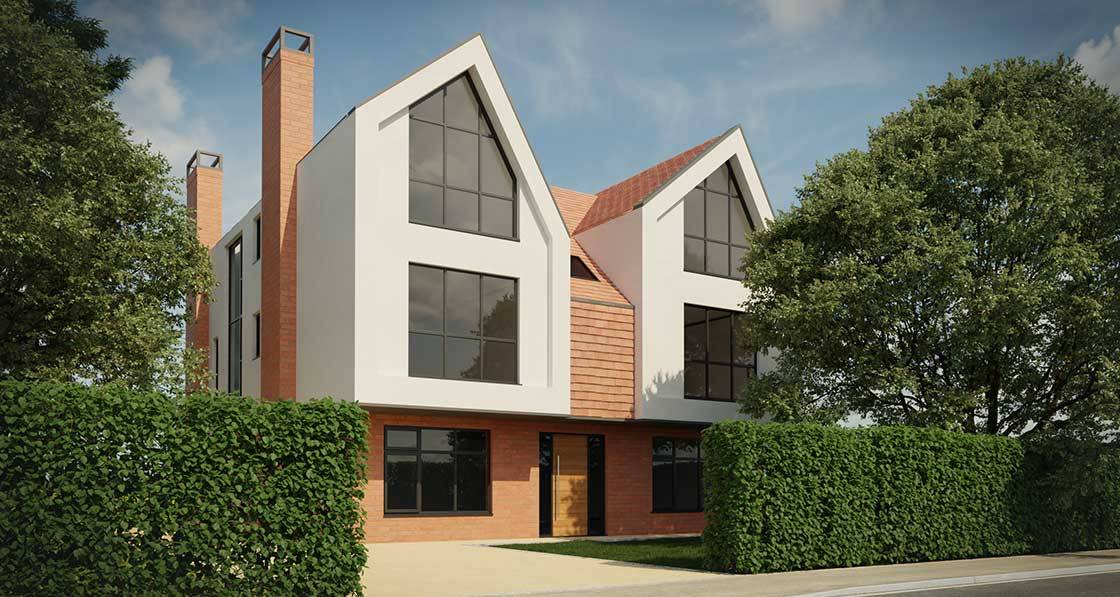

When it comes to energy efficiency and sustainability, the debate between passive houses and conventional homes is a hot topic. This guide aims to provide an in-depth comparison of these two types of dwellings, focusing on their design principles, energy use, comfort levels, and long-term performance.
Before we delve into the details, let’s briefly define what we mean by passive houses and conventional homes. A passive house is a rigorous, voluntary standard for energy efficiency in a building, which reduces its ecological footprint. On the other hand, a conventional home refers to a standard house built without specific energy efficiency considerations.
Resilience in Passive House Design
Design Principles: Passive House and Conventional Home
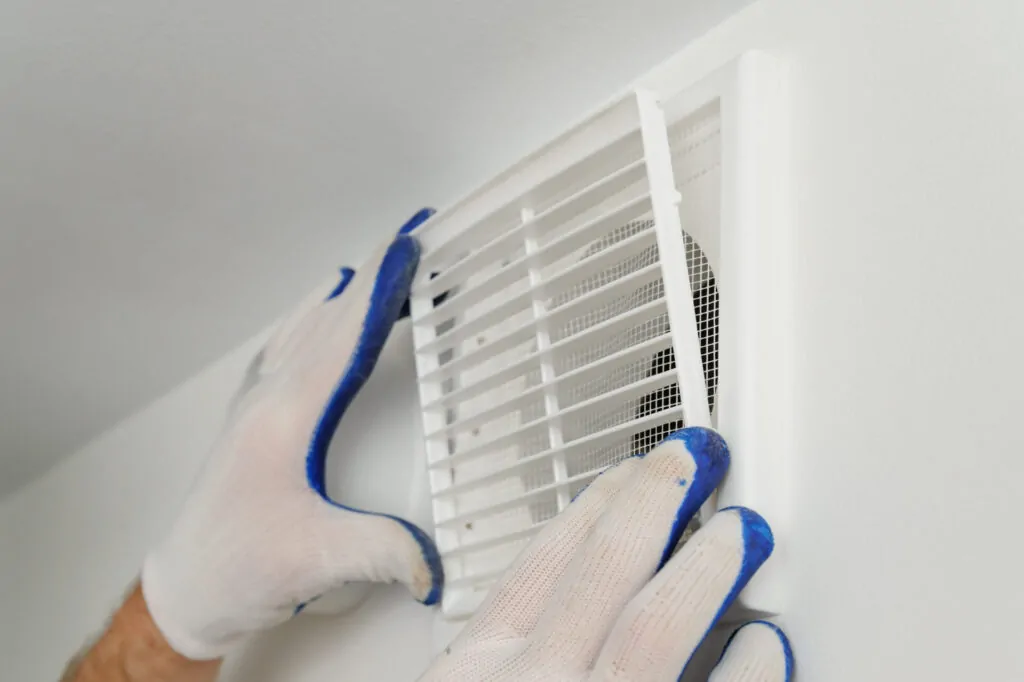
Passive houses are designed with energy efficiency as a primary goal. They incorporate features such as superinsulation, airtight construction, high-performance windows, and balanced heat- and moisture-recovery ventilation. Conventional homes, in contrast, are typically built to minimum code requirements and may lack many of these energy-saving features.
Energy Use: A Key Difference
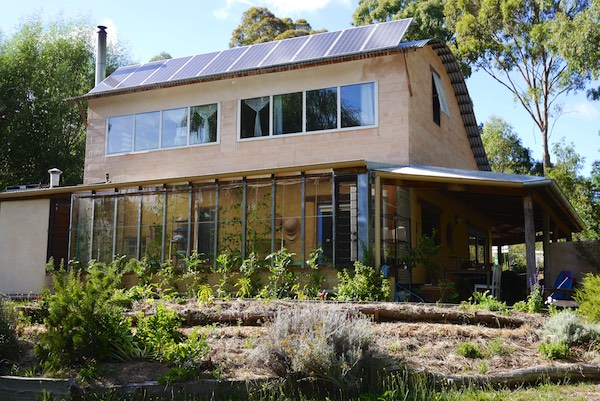
One of the most significant differences between passive houses and conventional homes is their energy use. Passive houses are designed to use very little energy for heating and cooling, often 90% less than a conventional home. This is achieved through a combination of energy-efficient design and construction techniques, as well as the use of renewable energy sources.
Comfort and Indoor Air Quality
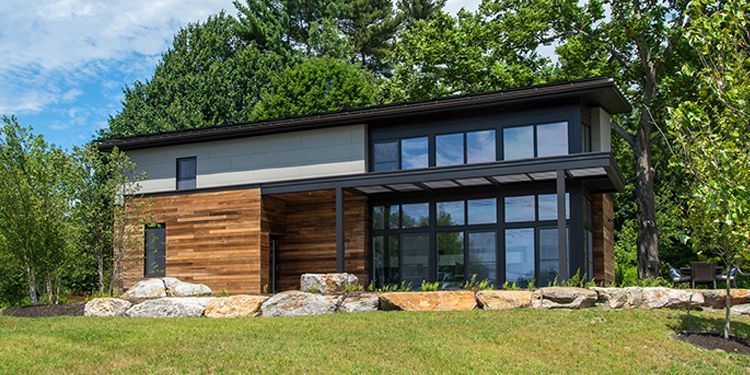
Passive houses are not just about energy efficiency; they also offer superior comfort and indoor air quality compared to conventional homes. The constant circulation of fresh air and the stable indoor temperatures contribute to a healthier and more comfortable living environment.
Long-Term Performance and Sustainability
While the upfront costs of building a passive house can be higher than a conventional home, the long-term savings in energy costs can more than offset this. Furthermore, passive houses contribute to sustainability by reducing the demand for energy and thereby reducing greenhouse gas emissions.
For more insights on efficient building design, check out these passive design strategies.
Consider enhancing your home’s energy efficiency further by choosing to add solar monitoring contrast or design resilient off-grid systems.