
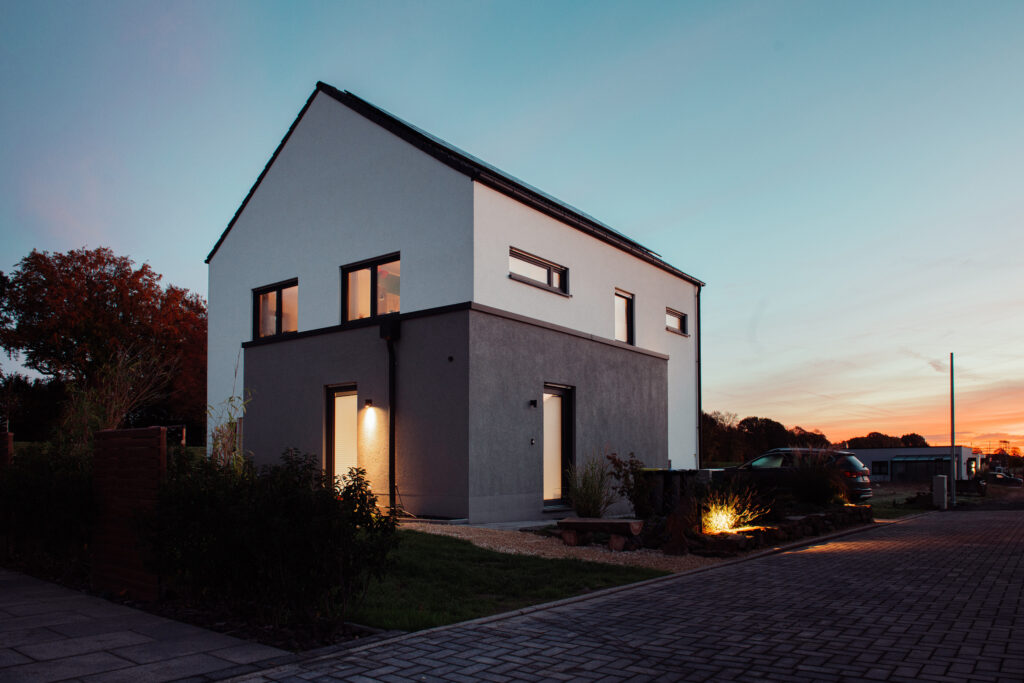

Understanding the performance of glazing in passive houses is crucial for anyone interested in sustainable building design. These unique structures are designed to be ultra-energy efficient, and the windows play a significant role in achieving this goal. In this guide, we will delve into the intricacies of passive house glazing and how it contributes to the overall performance of these eco-friendly homes.
Before we proceed, you might find it useful to check out some related content on passive design and occupant comfort.
Understanding Passive House Glazing
Windows in passive houses are more than just openings for light and ventilation. They are essential components of the building’s energy efficiency strategy. High-performance glazing is used to minimize heat loss in winter and prevent overheating in summer.
Key Factors in Glazing Performance
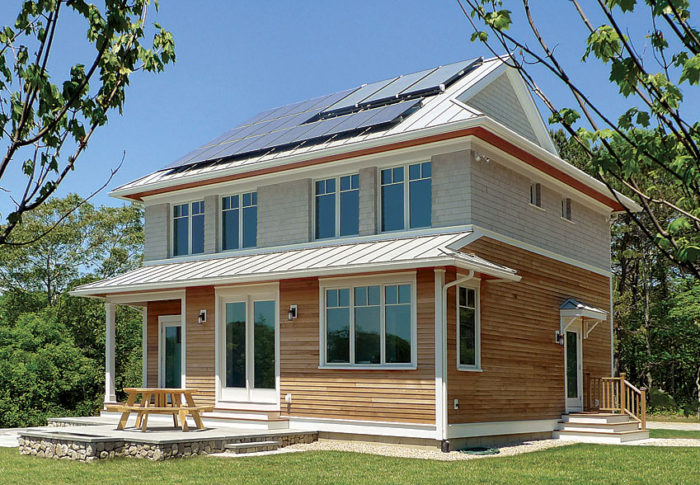
Several factors contribute to the performance of passive house glazing. These include the U-value (a measure of heat loss), the solar heat gain coefficient (SHGC), and the visible light transmittance (VLT). For more detailed information on the concept of passive houses, you can visit this descriptive anchor text.
Choosing the Right Glazing for Your Passive House
Selecting the right glazing for your passive house is a complex task that requires careful consideration of various factors, including the home’s orientation, climate, and architectural design. Consulting with a certified passive house designer can help ensure that you make the best choice for your specific situation.
Conclusion
In conclusion, the performance of glazing in passive houses is a critical aspect of their energy efficiency. By understanding the key factors involved and making informed choices, you can ensure that your passive house delivers optimal performance. To enhance the security and efficiency of your passive house, consider taking steps to position cam toward windows. Additionally, to further improve your home’s energy efficiency, you might want to get superior solar performance.

