
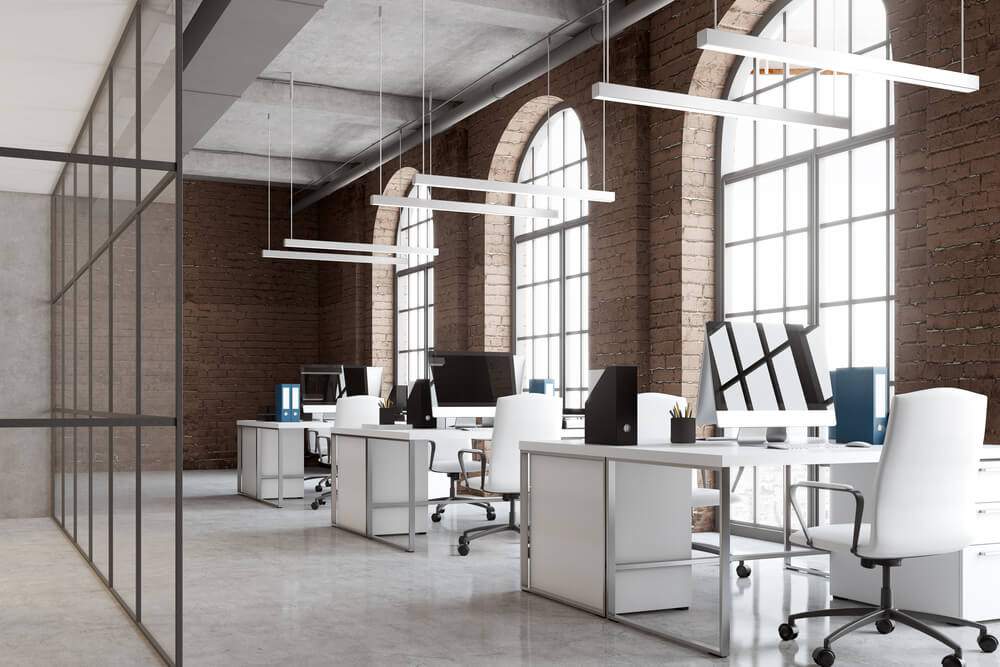

When businesses consider updating their workspace, two common terms often arise: office buildout and office renovation. While both processes aim to enhance the functionality and appeal of an office, they serve distinct purposes and involve different scopes of work. Understanding these differences is crucial for making informed decisions about your commercial property, whether you’re moving into a new space or upgrading an existing one.
Before diving into the specifics, it’s helpful to note that planning is essential for any office transformation. For those interested in related topics, our guide on kitchen remodeling planning checklist offers practical tips that can also apply to workspace projects.
Understanding Office Buildouts: Creating a Workspace from Scratch
A buildout typically refers to the process of customizing a raw or unfinished commercial space to meet the specific needs of a tenant or business. This often involves constructing walls, installing electrical and plumbing systems, adding flooring, and building out conference rooms, offices, and other functional areas. The main goal is to transform a blank canvas—often called a “shell space”—into a fully functional office environment.
Buildouts are common when a company leases a new space that hasn’t been previously occupied or when the existing layout doesn’t suit their operational requirements. The process can range from basic improvements (known as “vanilla shell” buildouts) to highly specialized configurations with custom finishes and advanced technology integration.

Exploring Office Renovations: Upgrading Existing Spaces
In contrast, office renovations focus on updating, refreshing, or reconfiguring an existing workspace. Renovation projects may include replacing outdated finishes, upgrading lighting and HVAC systems, reconfiguring layouts to improve workflow, or modernizing common areas. The intent is to enhance the look, feel, and efficiency of a space that is already in use.
Renovations are often chosen by businesses that want to stay in their current location but need to address wear and tear, adapt to new working styles, or comply with updated building codes. These projects can range from minor cosmetic changes to major structural modifications, depending on the organization’s goals and budget.
Comparing Scope and Complexity: Buildout Versus Renovation
One of the most significant differences between a buildout and a renovation is the starting point. Buildouts generally begin with an empty or unfinished space, requiring extensive work to make it usable. Renovations, on the other hand, start with a functional office that needs improvement or adaptation.
The complexity of a buildout often exceeds that of a renovation, as it may involve coordinating with landlords, architects, engineers, and contractors to ensure the space meets all regulatory requirements. Renovations may be less disruptive, especially if they can be completed in phases or during off-hours to minimize impact on daily operations.

Cost Considerations for Office Upgrades
Budget is a critical factor when deciding between a buildout and a renovation. Buildouts tend to have higher upfront costs due to the extensive construction and customization involved. However, they offer the advantage of tailoring the space precisely to your business needs, which can improve productivity and employee satisfaction in the long run.
Renovations can be more cost-effective, especially if the existing infrastructure is in good condition. Simple updates like new paint, flooring, or lighting can refresh a space without the need for major construction. For those seeking inspiration on maximizing value, our article on budget kitchen remodeling ideas provides creative approaches that can translate to office projects as well.
Timeline Differences: How Long Does Each Process Take?
The duration of a buildout is generally longer than that of a renovation. Since buildouts start with an unfinished space, the process includes design, permitting, construction, and final inspections. Depending on the size and complexity, this can take several months.
Renovations, especially those focused on cosmetic or minor functional updates, can often be completed more quickly. However, if the project involves significant structural changes or must be done in phases to accommodate ongoing operations, the timeline can extend. For more on managing project schedules, see our overview of the average timeline for kitchen remodeling, which outlines key factors that also apply to office projects.
Regulatory and Compliance Factors
Both buildouts and renovations must comply with local building codes, zoning laws, and accessibility standards. However, buildouts often require more comprehensive permitting and inspections, as they involve creating new structures or systems. Renovations may only need permits if structural changes or major system upgrades are involved.
It’s important to work with experienced professionals who understand the regulatory landscape. For a deeper dive into what a buildout entails in commercial construction, refer to this detailed explanation of commercial buildouts.
Choosing the Right Approach for Your Business
Deciding between customizing a new space or upgrading your current office depends on several factors: your business goals, budget, timeline, and the condition of the existing property. If your company needs a completely tailored environment or is moving into an unfinished location, a buildout is likely the best solution. If you’re satisfied with your current location but want to modernize or adapt to new working styles, a renovation may be more appropriate.
Consider consulting with design and construction professionals early in the process. They can help assess your needs, evaluate the space, and provide realistic estimates for both cost and duration. Avoiding common pitfalls—such as underestimating the scope or overlooking regulatory requirements—can save time and money. For more tips on avoiding missteps, see our resource on kitchen remodeling mistakes to avoid, which includes lessons applicable to office projects.
Frequently Asked Questions
What is the main difference between an office buildout and a renovation?
The primary distinction is that a buildout involves transforming an unfinished or raw space into a fully functional office, while a renovation updates or improves an existing, already-occupied workspace.
Which option is more cost-effective: buildout or renovation?
Renovations are generally more cost-effective if the existing infrastructure is in good condition and only minor updates are needed. Buildouts tend to be more expensive due to the extensive construction and customization required.
How long does it take to complete a buildout or renovation?
Buildouts typically take several months, depending on the size and complexity of the project. Renovations can often be completed more quickly, especially if they focus on cosmetic updates, but larger or phased renovations may also extend over several months.
Do both processes require permits?
Yes, both buildouts and renovations may require permits, especially if structural changes, electrical, or plumbing work are involved. The extent of permitting depends on the scope of the project and local regulations.
Can office renovations be done while the space is occupied?
Many renovations can be scheduled in phases or during off-hours to minimize disruption, allowing businesses to continue operating during the project. However, extensive renovations may require temporary relocation.


