
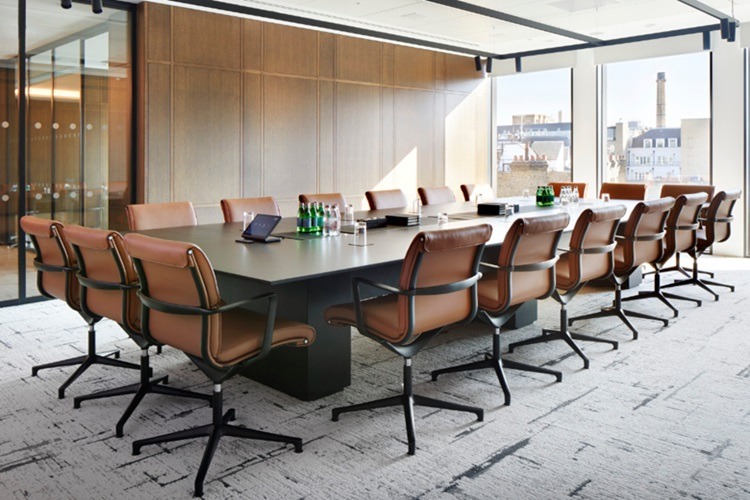

The modern workplace is rapidly evolving, and organizations are increasingly turning to office buildout IoT integration to create smarter, more efficient environments. By embedding Internet of Things (IoT) technologies into the design and construction of office spaces, companies can optimize energy use, improve employee comfort, and streamline operations. This approach not only enhances productivity but also supports sustainability and future-proofs the workspace for ongoing technological advancements.
As businesses plan new offices or renovate existing ones, understanding how to incorporate IoT solutions from the outset is crucial. Early planning ensures that connected devices and systems are seamlessly woven into the fabric of the workspace, rather than being retrofitted as an afterthought. For those seeking guidance on optimizing layouts for technology integration, office buildout layout planning can provide valuable insights into creating flexible and tech-ready environments.
Why IoT Matters in Office Construction Projects
Integrating IoT devices during the buildout phase offers significant advantages. These smart technologies can automate lighting, climate control, security, and even occupancy management. By connecting sensors and systems, organizations gain real-time insights into how spaces are used and can make data-driven decisions to improve efficiency.
For example, occupancy sensors can adjust HVAC and lighting based on actual use, reducing energy waste and operational costs. Smart access controls enhance security while providing a seamless entry experience for employees and visitors. The result is a workspace that adapts to the needs of its users, supporting both comfort and productivity.
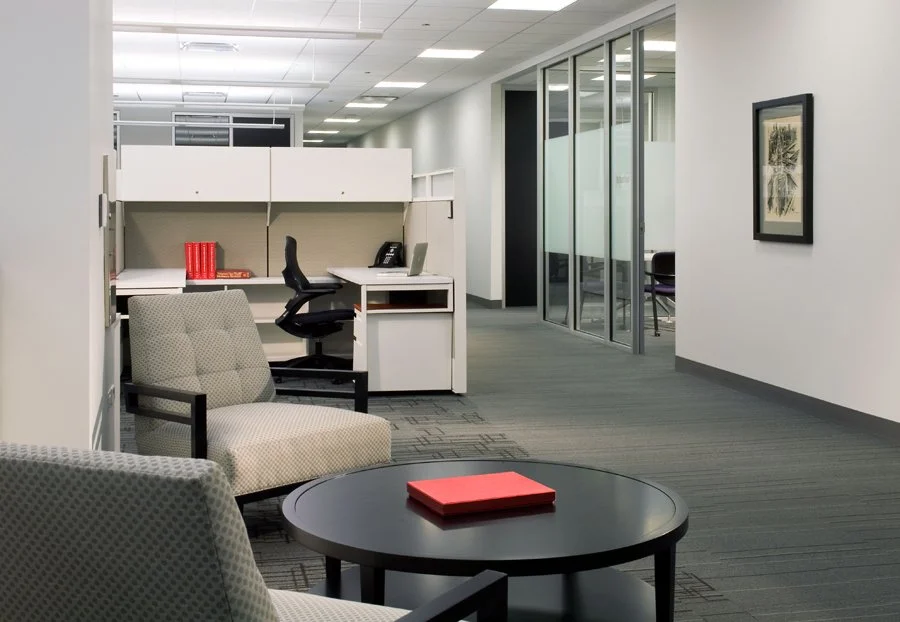
Key Benefits of Smart Office Environments
The adoption of IoT in workplace design brings a host of tangible benefits. Here are some of the most impactful advantages:
- Energy Efficiency: Automated systems adjust lighting and climate based on occupancy and time of day, reducing unnecessary energy consumption.
- Enhanced Security: Smart locks, surveillance cameras, and access controls offer real-time monitoring and management of entry points.
- Improved Space Utilization: Data from sensors helps facility managers optimize layouts, identify underused areas, and plan for future needs.
- Employee Comfort and Productivity: Personalized settings for lighting, temperature, and even desk height can be enabled through IoT, boosting satisfaction and output.
- Predictive Maintenance: Connected devices can alert maintenance teams to issues before they become major problems, minimizing downtime and repair costs.
These benefits make a compelling case for including IoT solutions in any office buildout strategy. For a comprehensive overview of the construction process, this ultimate guide to building out office space offers a detailed look at each phase, including technology planning.
Planning for IoT in Office Buildouts
Successful integration of connected technologies requires careful planning from the earliest stages of a project. Collaboration between architects, IT specialists, facility managers, and construction teams is essential to ensure that infrastructure supports both current and future needs.
Consider the following steps when preparing for a technology-enabled workspace:
- Assess Needs and Goals: Identify which IoT features will deliver the most value for your organization, such as energy management, security, or space analytics.
- Design Flexible Infrastructure: Plan for robust network connectivity, power distribution, and device placement to accommodate evolving technologies.
- Prioritize Scalability: Choose systems that can grow with your business and adapt to new devices or software updates.
- Ensure Data Security: Work with IT professionals to implement strong cybersecurity measures, protecting sensitive information from potential threats.
- Test and Optimize: Pilot IoT solutions in select areas before rolling them out across the entire office, gathering feedback and making adjustments as needed.
For organizations interested in maximizing the efficiency of their workspace, office buildout space planning can help align IoT integration with overall layout and workflow requirements.
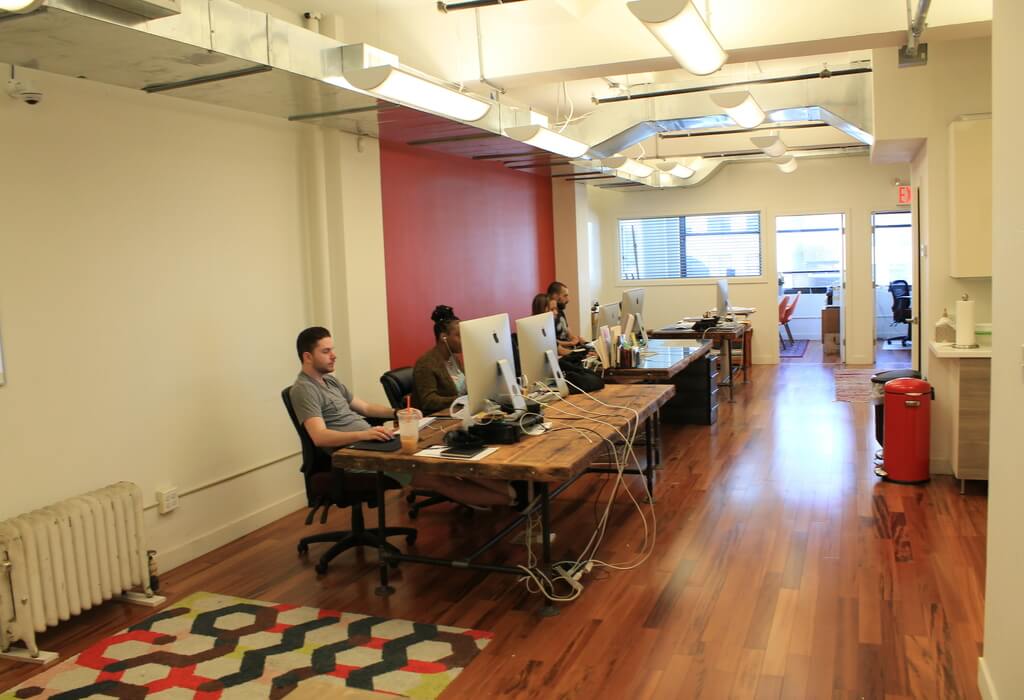
Popular IoT Applications in Modern Offices
The range of IoT-enabled solutions available for offices continues to expand. Some of the most common applications include:
- Smart Lighting Systems: Automated controls that adjust brightness and color temperature based on occupancy and natural light levels.
- Environmental Sensors: Devices that monitor air quality, humidity, and temperature to maintain a healthy indoor environment.
- Connected Meeting Rooms: Scheduling panels, occupancy sensors, and AV integration for seamless collaboration.
- Desk Booking and Hot Desking: Systems that allow employees to reserve workstations and track usage patterns.
- Asset Tracking: RFID and Bluetooth beacons to monitor equipment and supplies in real time.
Integrating these technologies during the buildout phase ensures that wiring, power, and connectivity are all in place, reducing the need for disruptive retrofits later on. For those focusing on specialized areas, such as collaborative spaces, office buildout conference room design offers targeted guidance for creating tech-enabled meeting environments.
Challenges and Considerations for IoT Implementation
While the benefits of IoT are clear, there are also challenges to consider. Ensuring interoperability between different devices and platforms can be complex, especially as new technologies emerge. Data privacy and cybersecurity must be prioritized to protect sensitive business information.
Additionally, organizations should plan for ongoing maintenance and updates, as IoT systems require regular monitoring and support. Working with experienced partners and staying informed about industry best practices can help mitigate these risks and ensure a smooth transition to a connected workspace.
Sustainability is another important factor. Integrating green building standards with IoT can amplify energy savings and environmental benefits. For more on this topic, see office buildout green building standards for strategies that combine smart technology with eco-friendly design.
Future Trends in Connected Workspace Design
As IoT technology matures, the possibilities for smart offices will continue to grow. Artificial intelligence and machine learning are being integrated with IoT systems to enable predictive analytics and even greater automation. Touchless controls, voice-activated assistants, and advanced environmental monitoring are becoming standard features in new office developments.
The shift toward hybrid work models is also influencing IoT adoption. Solutions that support flexible work arrangements, such as occupancy tracking and remote environmental controls, are in high demand. By planning for these trends during the buildout phase, organizations can ensure their offices remain adaptable and competitive in the years ahead.
Frequently Asked Questions
What is the main advantage of integrating IoT during an office buildout?
Embedding IoT solutions from the start allows for seamless infrastructure, optimized device placement, and easier management of connected systems. This proactive approach minimizes retrofitting costs and ensures that the workspace is ready for future technological advancements.
How does IoT improve energy efficiency in office environments?
IoT-enabled sensors and automation systems adjust lighting, heating, and cooling based on occupancy and environmental conditions. This reduces unnecessary energy use, lowers utility bills, and supports sustainability goals.
What are some common challenges with IoT in office construction?
Key challenges include ensuring compatibility between devices, maintaining strong cybersecurity, and planning for ongoing updates and maintenance. Early collaboration between IT, facilities, and construction teams can help address these issues effectively.
Can IoT integration support flexible and hybrid work models?
Yes, connected technologies such as desk booking systems, occupancy sensors, and remote controls make it easier to manage flexible workspaces and accommodate changing occupancy patterns, supporting both in-office and remote employees.
Conclusion
Incorporating IoT into office construction projects is no longer optional for organizations aiming to stay competitive and efficient. By planning for connected technologies from the outset, businesses can create workspaces that are adaptable, sustainable, and ready for the future. Whether focusing on layout, conference rooms, or green standards, leveraging expert resources and thoughtful planning will ensure a successful transformation into a truly smart office.


