
Planning a kitchen renovation is exciting, but it’s easy to overlook important details that can lead to costly setbacks or disappointing results. Many homeowners dive into upgrades with enthusiasm, only to encounter unexpected challenges along the way. Understanding the most common kitchen remodeling mistakes to avoid can help you save time, money, and frustration, ensuring your project goes as smoothly as possible.
Whether you’re updating a small space or transforming your entire kitchen, being aware of potential pitfalls is crucial. From budgeting mishaps to layout blunders, this guide highlights the errors that frequently derail renovations and offers practical tips to help you achieve a functional, beautiful kitchen. For those new to home improvement, you might also find these kitchen remodeling tips for beginners helpful as you start your project.
Overlooking the Importance of a Detailed Plan
One of the most frequent kitchen remodeling mistakes to avoid is starting without a comprehensive plan. Rushing into demolition or purchasing materials before finalizing your design can result in mismatched finishes, awkward layouts, or last-minute changes that inflate your budget.
- Measure your space accurately, including doorways and walkways.
- Determine your must-haves versus nice-to-haves.
- Consider workflow and how you use your kitchen daily.
- Consult professionals for design and layout advice if needed.
For inspiration on modern layouts and features, explore these modern kitchen remodeling ideas to help refine your vision.
Underestimating the Budget and Hidden Costs
Many homeowners underestimate the true cost of a kitchen renovation. It’s common to focus on visible expenses like cabinets and countertops while forgetting about labor, permits, or unexpected repairs. This can quickly lead to overspending or unfinished projects.
To avoid financial surprises:
- Set a realistic budget and include a 10–20% contingency for unforeseen expenses.
- Get multiple quotes from contractors and suppliers.
- Account for the cost of eating out or temporary kitchen setups during construction.
- Don’t forget about finishing touches such as lighting, hardware, and paint.
A well-planned budget is your best defense against stress and delays.
Neglecting Workflow and Kitchen Layout
Functionality should drive your layout decisions. Ignoring the classic “kitchen work triangle”—the optimal positioning of the sink, stove, and refrigerator—can make cooking and cleaning inefficient. Poorly placed appliances or cramped walkways are common errors that diminish usability.
When planning your kitchen:
- Ensure there’s enough space between major appliances.
- Allow for at least 36 inches of walkway between counters and islands.
- Position the dishwasher near the sink for easy loading.
- Think about where you’ll prep, cook, and clean up.
Choosing Style Over Function
While aesthetics are important, prioritizing looks over practicality can lead to regrets. For example, open shelving may look trendy but can be difficult to keep organized. High-gloss finishes might show fingerprints and smudges more easily.
To strike the right balance:
- Select durable, easy-to-clean materials for surfaces and cabinetry.
- Opt for storage solutions that fit your lifestyle, such as deep drawers or pull-out shelves.
- Consider the maintenance requirements of your chosen finishes.
- Don’t sacrifice counter space for decorative elements.
Inadequate Lighting and Electrical Planning
Poor lighting is a frequent oversight in kitchen renovations. Relying solely on a central ceiling fixture can leave work areas in shadow, making food prep and cooking less safe and enjoyable.
For a well-lit kitchen:
- Incorporate a mix of ambient, task, and accent lighting.
- Install under-cabinet lights to brighten countertops.
- Plan for enough outlets in convenient locations, including islands and pantry areas.
- Work with an electrician to ensure your kitchen meets code and supports modern appliances.

Skipping Professional Help When Needed
DIY projects can be rewarding, but some aspects of kitchen remodeling—such as plumbing, electrical, or structural changes—are best left to licensed professionals. Attempting complex tasks without the right expertise can result in safety hazards, code violations, or expensive repairs.
Don’t hesitate to hire qualified contractors for critical work. Check references, verify credentials, and make sure you have clear contracts in place. For a step-by-step overview of what’s involved, see this comprehensive kitchen renovation guide from The Spruce.
Forgetting About Ventilation and Maintenance
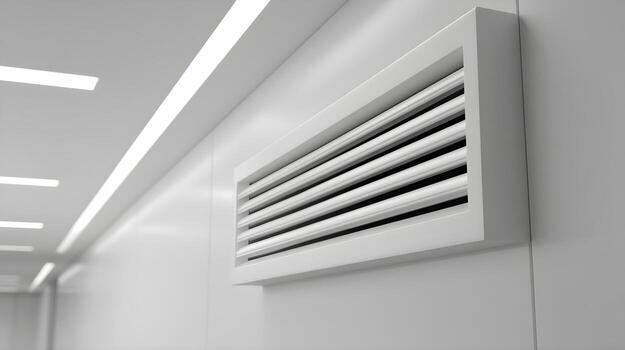
Proper ventilation is often overlooked but is essential for a healthy, comfortable kitchen. A quality range hood helps remove smoke, odors, and excess moisture, preventing damage to cabinets and walls.
- Choose a vent hood that’s appropriately sized for your cooktop.
- Ensure ductwork vents to the outside, not just into the attic or another room.
- Plan for easy access to filters and regular cleaning.
Additionally, select materials and finishes that are easy to maintain, so your kitchen stays looking great for years to come.
Common Pitfalls with Storage and Organization
Insufficient storage is a frequent regret after a kitchen remodel. Failing to plan for enough cabinets, drawers, and pantry space can leave your kitchen cluttered and inefficient.
- Maximize vertical storage with tall cabinets or shelving.
- Use organizers, pull-outs, and dividers to keep items accessible.
- Don’t forget about trash and recycling bins—plan dedicated space for them.
- Think about your specific needs, such as spice racks, deep drawers, or appliance garages.
FAQ: Kitchen Renovation Questions Answered
How can I avoid going over budget during my kitchen remodel?
Create a detailed budget that includes all materials, labor, permits, and a contingency fund for unexpected expenses. Get multiple estimates and stick to your plan as closely as possible. Track spending throughout the project to catch overruns early.
What is the most important factor in kitchen layout design?
Functionality is key. Focus on the work triangle—sink, stove, and refrigerator placement—to ensure efficient movement. Make sure there’s enough counter space and that appliances are easily accessible.
Should I hire a professional or try to remodel my kitchen myself?
Simple updates like painting or hardware replacement can be DIY, but complex work involving plumbing, electrical, or structural changes should be handled by licensed professionals to ensure safety and compliance with building codes.
Where can I find more ideas for a contemporary kitchen renovation?
For inspiration and the latest trends, check out these modern kitchen remodeling ideas to help you create a sleek, functional space.