
Maintaining a healthy and comfortable living environment requires more than just temperature control. One of the most overlooked yet critical aspects of indoor comfort is proper home ventilation. Adequate airflow not only keeps indoor air fresh but also helps manage moisture, reduce allergens, and support the overall well-being of occupants. Understanding the importance of home ventilation can help homeowners make informed decisions about their living spaces, especially as energy-efficient and airtight construction becomes more common.
Whether you are building a new house, renovating, or simply looking to improve your current indoor air quality, learning about effective ventilation strategies is key. This article explores why airflow matters, the risks of poor air exchange, and practical solutions for healthier homes. For those interested in integrating ventilation with other sustainable practices, resources like the passive building design checklist offer additional guidance on creating energy-efficient, comfortable spaces.
Why Airflow Matters for Indoor Health
The air inside our homes can quickly become stale, especially in modern buildings designed for energy efficiency. Without proper ventilation, pollutants such as dust, volatile organic compounds (VOCs), and even carbon dioxide can accumulate. Over time, this can lead to headaches, fatigue, respiratory issues, and a general decline in comfort.
Moisture is another major concern. Everyday activities like cooking, showering, and even breathing release water vapor into the air. If this moisture is not expelled, it can lead to condensation, mold growth, and damage to building materials. Effective ventilation ensures that excess humidity is removed, protecting both your health and your home’s structure.
Key Benefits of Effective Home Ventilation
There are several compelling reasons to prioritize airflow in your living space. Here are some of the most significant advantages:
- Improved Air Quality: Regular air exchange reduces the concentration of indoor pollutants and allergens, making it easier to breathe and reducing the risk of respiratory problems.
- Moisture Control: By removing excess humidity, ventilation helps prevent mold, mildew, and rot, which can damage your home and impact your health.
- Odor Reduction: Cooking smells, pet odors, and other unwanted scents are quickly expelled, keeping your home smelling fresh.
- Comfort: Proper airflow helps regulate indoor temperatures and prevents stuffiness, creating a more pleasant environment year-round.
- Energy Efficiency: Modern ventilation systems, when properly integrated, can work alongside heating and cooling systems to maintain comfort without wasting energy.
Common Types of Ventilation Systems
There are several approaches to achieving good airflow in a residence. Each has its own strengths and is suitable for different situations:
- Natural Ventilation: Utilizes windows, vents, and architectural features to allow air to flow naturally in and out of the building. This method is cost-effective but depends on weather and building orientation.
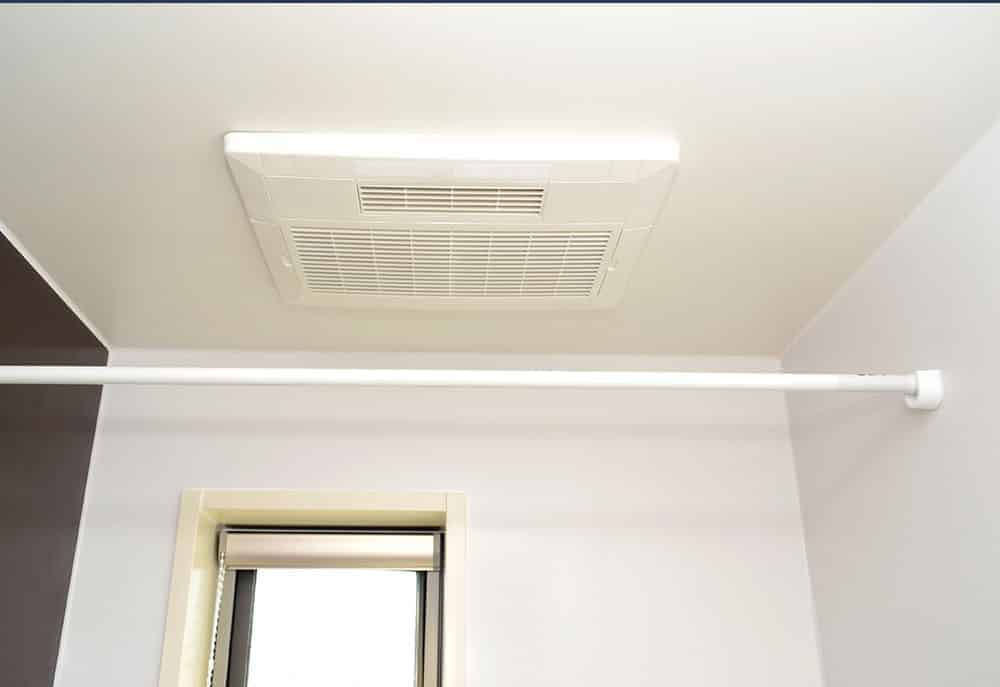
- Mechanical Ventilation: Uses fans and ductwork to move air. Examples include exhaust fans in bathrooms and kitchens, as well as whole-house systems that provide continuous fresh air.
- Balanced Systems: Combine intake and exhaust fans to ensure a steady flow of fresh air while removing stale air. Heat recovery ventilators (HRVs) and energy recovery ventilators (ERVs) are advanced options that also help conserve energy.

Risks Associated with Poor Air Exchange
Ignoring the need for good airflow can have serious consequences. When air is not regularly replaced, pollutants and moisture build up, leading to several problems:
- Health Issues: Allergies, asthma, and other respiratory conditions can worsen in poorly ventilated homes.
- Structural Damage: Persistent dampness encourages mold growth and can weaken walls, ceilings, and insulation.
- Increased Energy Costs: Without proper ventilation, heating and cooling systems must work harder, leading to higher utility bills.
- Unpleasant Living Conditions: Stale air, lingering odors, and visible mold can make a home uncomfortable and even uninhabitable over time.
For those interested in learning about how airtightness interacts with ventilation, the article on airtight construction vs breathable walls provides valuable insights into balancing energy efficiency with healthy airflow.
How to Improve Airflow in Your Home
Enhancing ventilation doesn’t always require a major renovation. Here are practical steps homeowners can take to boost indoor air quality:
- Use Exhaust Fans: Install or regularly use fans in kitchens and bathrooms to expel moisture and odors directly outside.
- Open Windows Strategically: When weather allows, open windows on opposite sides of the house to create cross-ventilation.
- Maintain HVAC Systems: Change filters regularly and consider adding air filtration kits for improved particle removal.
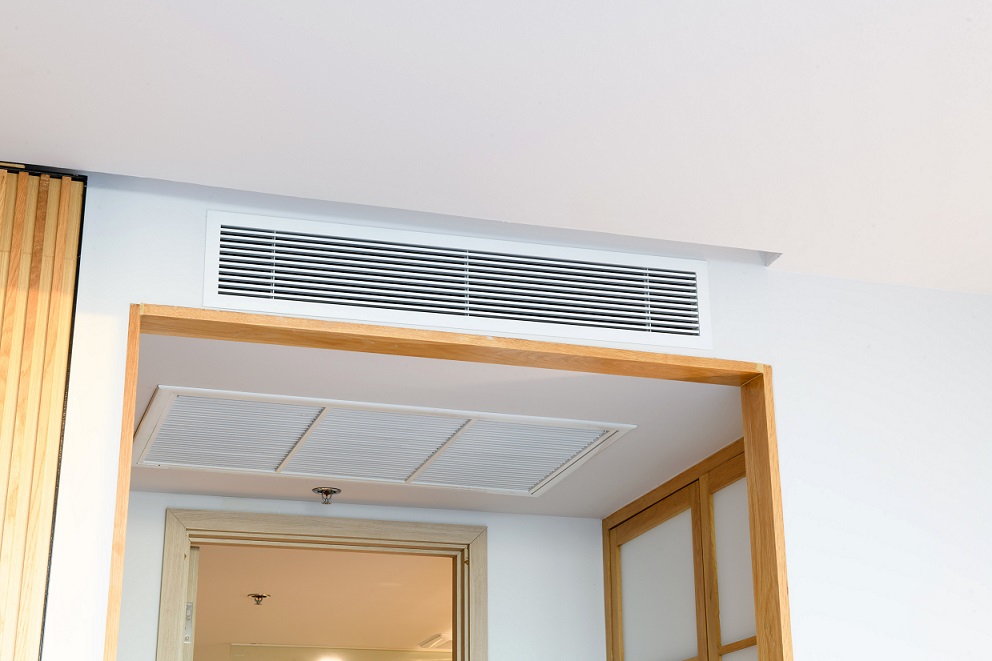
- Consider Whole-House Solutions: For consistent results, mechanical systems like HRVs or ERVs can provide steady, balanced airflow with energy savings.
- Monitor Humidity: Keep indoor humidity between 30% and 50% to discourage mold and dust mites.
Integrating Ventilation with Modern Home Design
As homes become more airtight for energy savings, ensuring sufficient airflow is even more critical. Modern building practices often focus on insulation and sealing, which can inadvertently trap pollutants and moisture inside. To address this, many designers incorporate mechanical ventilation as part of a holistic approach to indoor comfort.
For those planning new construction or major renovations, collaborating with professionals who understand both energy efficiency and healthy air strategies is essential. Resources such as the guide on designing for occupant health and comfort offer practical advice on integrating ventilation with other aspects of healthy building design.
For a deeper dive into the technical aspects and best practices, the comprehensive guide to home ventilation provides further reading on system types, maintenance, and the science behind indoor air quality.
FAQ
How often should I ventilate my home?
Ideally, homes should have continuous or at least regular air exchange throughout the day. Mechanical systems can automate this process, but even opening windows for 10–15 minutes a few times daily can help maintain fresh air, especially in rooms with high occupancy or moisture.
What are signs of poor ventilation?
Common indicators include persistent condensation on windows, musty odors, visible mold, increased allergy symptoms, and a general feeling of stuffiness. If you notice these issues, it’s time to assess and improve your home’s airflow.
Can improving ventilation lower my energy bills?
Yes, when done correctly. Balanced systems like HRVs and ERVs recover heat or coolness from outgoing air, reducing the load on heating and cooling systems. This can make your home more energy-efficient while maintaining healthy air.
Is natural ventilation enough for modern homes?
In some climates and building types, opening windows and using vents may suffice. However, in airtight or energy-efficient homes, mechanical systems are often necessary to ensure consistent and adequate airflow, especially during extreme weather or in urban areas with outdoor air quality concerns.
How does ventilation relate to sustainable building?
Good airflow is a cornerstone of sustainable, healthy living spaces. It supports energy efficiency, occupant well-being, and the longevity of building materials. For more on this topic, see the article on sustainable heating systems for passive homes.