


Written by Elan James, Published on 2025-11-09
The role of air barriers in building construction cannot be overstated. They play a crucial part in enhancing energy efficiency, improving indoor air quality, and reducing the risk of moisture-related issues. This guide will delve into the significance of these barriers and why they are a must-have in modern construction.
Before we delve deeper, you might want to check out our article on low carbon building design, which also emphasizes the necessity of air barriers in sustainable architecture.
Understanding Air Barriers
Air barriers are systems designed to control the flow of air into and out of a building. They are critical to maintaining a comfortable indoor environment and reducing energy consumption. The proper installation of these barriers is key to their effectiveness.
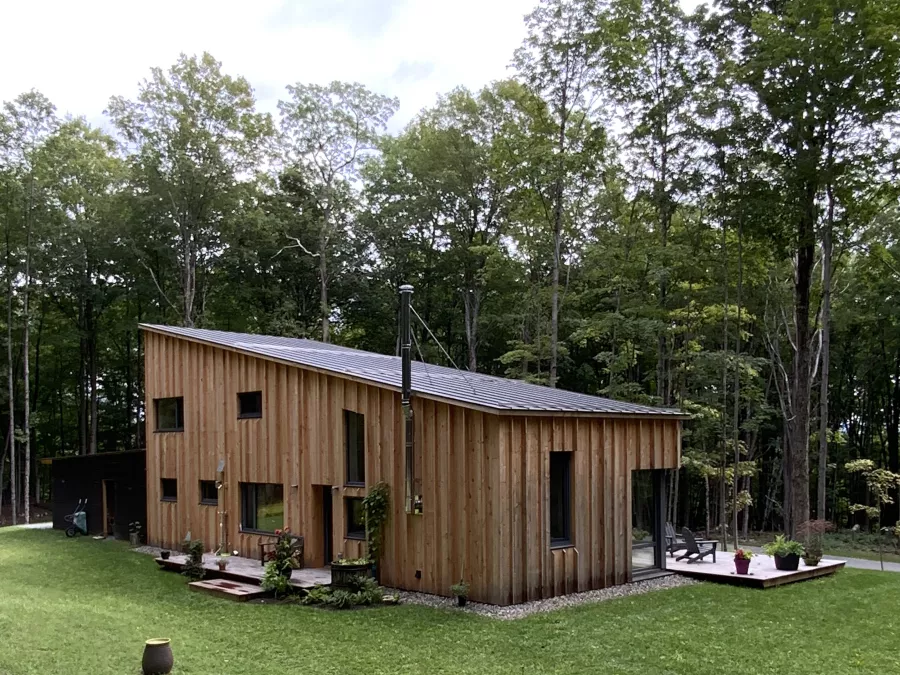
Benefits of Air Barriers
From energy conservation to moisture control, air barriers offer numerous benefits. They help in reducing heating and cooling costs, improving indoor air quality, and preventing structural damage caused by moisture intrusion.

The Role of Air Barriers in Passive House Design
Passive house design is a concept that focuses on energy efficiency. Air barriers play a significant role in this design approach by reducing heat loss and improving the overall energy performance of the building. You can learn more about passive houses at this resource.
Conclusion
In conclusion, air barriers are a vital component in modern building design. They contribute significantly to energy efficiency, indoor air quality, and moisture control. To ensure their effectiveness, it is crucial to monitor integrity with cam and consider prefab solar-ready solutions.


