
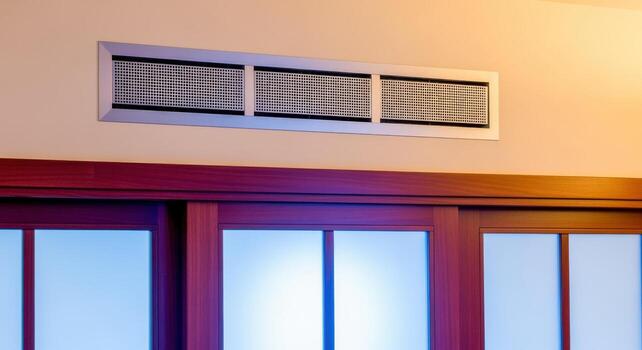

Living in regions with high humidity presents unique challenges for maintaining indoor air quality and comfort. Excess moisture can lead to mold growth, musty odors, and even structural damage if not managed properly. Effective humid climate ventilation strategies are essential for keeping homes dry, healthy, and energy efficient. This article explores practical solutions for improving airflow, controlling moisture, and selecting the right equipment for spaces exposed to persistent humidity.
Whether you’re building new, renovating, or simply looking to upgrade your home’s ventilation, understanding the best practices for moist environments will help you make informed decisions. We’ll also highlight how integrating targeted solutions—like exhaust fans, whole house fans, and filtration systems—can make a significant difference in both comfort and long-term durability.
For those interested in optimizing specific areas, consider exploring related topics such as proper placement of exhaust fans to further enhance your home’s ventilation performance.
Understanding Moisture Challenges in Humid Environments
High humidity levels can cause a range of issues inside buildings. When warm, moist air enters a cooler indoor space, condensation can form on walls, windows, and other surfaces. Over time, this leads to water damage, peeling paint, and the growth of mold and mildew. These problems are not only unsightly but can also negatively impact indoor air quality and occupant health.
In addition to visible signs, excess humidity can make air feel warmer and more uncomfortable, increasing reliance on air conditioning. This, in turn, can drive up energy bills and put additional strain on HVAC systems. To address these concerns, it’s crucial to implement ventilation methods for humid climates that both remove stale air and introduce drier, fresher air from outside.
Key Principles of Effective Ventilation for Humid Areas
The foundation of any successful approach lies in balancing air exchange and moisture control. Here are several core principles to keep in mind:
- Continuous Airflow: Encourage steady movement of air throughout the home to prevent stagnant, humid pockets.
- Source Control: Address moisture at its origin—such as in bathrooms, kitchens, and laundry rooms—using targeted exhaust solutions.
- Pressure Management: Maintain slightly positive indoor pressure to limit infiltration of humid outdoor air, especially during peak humidity seasons.
- Filtration and Dehumidification: Combine ventilation with filtration and, when necessary, mechanical dehumidification to keep indoor air clean and dry.
Mechanical Ventilation Options for Humid Climates
Mechanical systems are often the most reliable way to manage indoor moisture in challenging environments. Below are some of the most effective solutions:
Whole House Fans and Exhaust Systems
Installing a whole house fan can rapidly exchange indoor air with outdoor air, reducing heat and humidity buildup. These fans are typically mounted in the attic and used during cooler, less humid times of day to flush out stale air. For targeted moisture removal, ceiling exhaust fans in bathrooms and kitchens are essential. They capture steam and odors at the source, minimizing the spread of humidity throughout the home.

For more details on optimizing exhaust placement, see our guide on proper placement of exhaust fans.
Air Filtration and Dehumidification
In humid regions, combining ventilation with air filtration can help remove airborne particles and allergens that thrive in moist environments. High-quality filtration kits can be integrated into existing ductwork or used as standalone units. For spaces where humidity remains high despite good airflow, a dedicated dehumidifier may be necessary to maintain safe moisture levels.
To further enhance indoor air quality, consider reviewing bathroom ventilation fundamentals and kitchen ventilation explained for room-specific recommendations.
Passive and Hybrid Solutions for Moisture Control
Not every solution requires powered equipment. Passive ventilation—such as strategically placed vents, operable windows, and vented soffits—can supplement mechanical systems. In climates where outdoor humidity fluctuates, hybrid approaches that combine passive airflow with timed mechanical exhaust can be highly effective.
- Cross-Ventilation: Position windows and vents on opposite sides of rooms to promote natural airflow when outdoor conditions allow.
- Attic and Crawl Space Venting: Properly vented attics and crawl spaces help prevent moisture accumulation in hidden areas. Learn more about crawl space ventilation best practices for additional insights.
- Garage Ventilation: Garages can trap humidity and fumes. For foundational tips, see garage ventilation basics.
Best Practices for Maintaining Ventilation Systems
Even the best-designed systems require regular maintenance to remain effective. Here are some tips to keep your ventilation working optimally:
- Clean or replace filters as recommended by the manufacturer.
- Inspect exhaust fans and vents for dust, debris, or blockages.
- Check for signs of mold or mildew around vents and in high-humidity areas.
- Test fan operation periodically to ensure adequate airflow.
- Seal gaps and cracks in ductwork to prevent air leaks and maintain efficiency.
Integrating Smart Controls and Monitoring
Modern ventilation solutions often include smart controls that monitor humidity and air quality in real time. These systems can automatically adjust fan speeds or activate dehumidifiers as needed, ensuring optimal conditions without constant manual intervention. For a comprehensive overview of home ventilation options and how smart technology can help, see this in-depth guide to home ventilation methods.
Frequently Asked Questions
What are the signs that my home needs better ventilation in a humid climate?
Common indicators include persistent condensation on windows, musty odors, visible mold or mildew, peeling paint, and a general feeling of stuffiness. If you notice these issues, it’s likely your current system isn’t adequately managing moisture.
Can I rely solely on air conditioning to control humidity?
While air conditioning helps reduce indoor humidity, it isn’t a substitute for proper ventilation. AC units cool and dehumidify air, but without adequate airflow, moisture and pollutants can still accumulate. Combining AC with targeted ventilation is the most effective approach.
How often should I maintain my ventilation equipment?
Filters should be checked monthly and replaced as needed. Exhaust fans and vents should be inspected and cleaned at least twice a year. Regular maintenance ensures your system continues to operate efficiently and prevents moisture-related problems.
Are there passive options for improving airflow in humid regions?
Yes, passive solutions like cross-ventilation, vented soffits, and operable windows can supplement mechanical systems. However, in persistently humid climates, mechanical ventilation is usually necessary for consistent moisture control.
Addressing excess humidity requires a combination of smart planning, the right equipment, and ongoing maintenance. By following these humid climate ventilation strategies, you can create a healthier, more comfortable indoor environment year-round.


