Maintaining clean air inside your home is essential for health and comfort. Everyday activities and materials can introduce a range of contaminants, from dust and pet dander to volatile organic compounds (VOCs) and mold spores. Understanding how to reduce indoor pollutants is key to creating a safer, more breathable environment for everyone in your household.
This guide offers practical steps to minimize air quality issues, focusing on ventilation, filtration, and source control. Whether you’re building new, renovating, or simply looking to improve your current living space, you’ll find actionable advice to help you breathe easier indoors.

For those interested in the relationship between insulation and air quality, you may want to read about how insulation affects ventilation to understand how building materials can impact airflow and pollutant levels.
Understanding Common Sources of Indoor Air Contaminants
Before tackling solutions, it’s important to recognize where pollutants originate. The most common sources include:
- Household cleaning products and air fresheners, which often release VOCs.
- Cooking and heating appliances that burn fuel, generating carbon monoxide and particulates.
- Building materials such as paints, adhesives, and pressed wood products that can off-gas chemicals.
- Mold and mildew from excess moisture or water leaks.
- Pollen, dust mites, and pet dander that accumulate in fabrics and carpets.
- Tobacco smoke and other combustion byproducts.
Identifying these sources is the first step toward effective mitigation and cleaner indoor air.
Ventilation Strategies for Cleaner Indoor Air
One of the most effective ways to lower the concentration of indoor contaminants is through proper ventilation. By exchanging stale indoor air with fresh outdoor air, you can dilute and remove many unwanted substances.

Whole-House Ventilation Systems
Installing a whole-house ventilation system is a reliable way to maintain consistent air exchange. These systems, which may include energy recovery ventilators (ERVs) or heat recovery ventilators (HRVs), help bring in filtered outdoor air while exhausting stale indoor air. According to the U.S. Department of Energy’s guide to whole-house ventilation, these setups are particularly effective in tightly sealed homes where natural airflow is limited.
Spot Ventilation for High-Pollutant Areas
Kitchens, bathrooms, and laundry rooms often generate higher levels of moisture and contaminants. Use exhaust fans in these areas to quickly remove pollutants at the source. Make sure fans vent to the outdoors, not just into the attic or another indoor space.
Natural and Manual Ventilation Methods
Opening windows and doors when weather permits is a simple way to refresh indoor air. Cross-ventilation—opening windows on opposite sides of a room or house—can be especially effective. However, be mindful of outdoor air quality, especially during high pollen seasons or pollution alerts.
Filtration and Air Cleaning Solutions
In addition to ventilation, filtration plays a crucial role in reducing airborne particles and allergens. The right filtration system can capture dust, pollen, smoke, and even some bacteria and viruses.
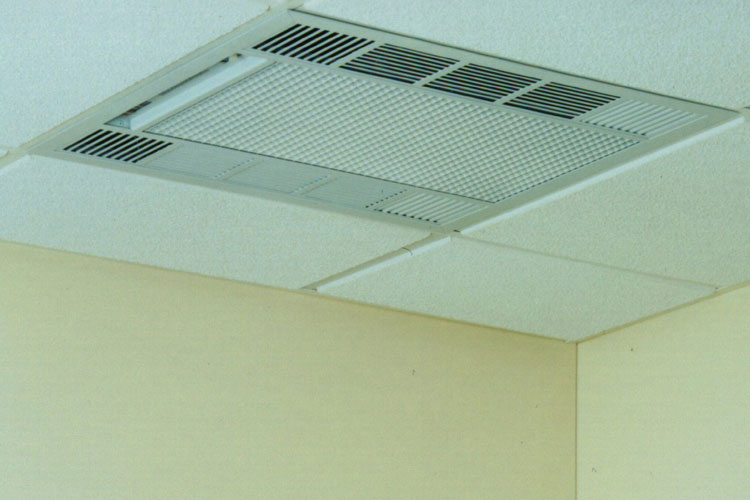
Choosing the Right Filters
For central HVAC systems, use high-efficiency filters with a Minimum Efficiency Reporting Value (MERV) rating of 8 or higher. Replace filters regularly—every 1 to 3 months, depending on usage and manufacturer recommendations. Portable air purifiers with HEPA filters are also effective for individual rooms.
Supplemental Air Cleaning Devices
In areas with persistent air quality issues, consider adding portable air cleaners. Look for units certified by recognized organizations and sized appropriately for the room. Some devices also offer activated carbon filters, which help remove odors and some chemical vapors.
Source Control: Preventing Pollutants Before They Start
While ventilation and filtration are important, the most effective way to keep indoor air clean is to limit the introduction of contaminants in the first place. Here are some practical source control strategies:
- Choose low-VOC or VOC-free paints, adhesives, and building materials.
- Store chemicals, solvents, and fuels outside the living area or in tightly sealed containers.
- Fix leaks and address moisture issues promptly to prevent mold growth.
- Vacuum frequently with a HEPA-equipped vacuum cleaner and dust with damp cloths.
- Wash bedding and curtains regularly to reduce allergens.
- Ban smoking indoors and minimize the use of candles or incense.
For more on balancing tight construction with healthy airflow, see our article on air sealing and ventilation balance.
Additional Tips for Healthier Indoor Environments
- Keep humidity levels between 30% and 50% to discourage mold and dust mites.
- Use exhaust fans when cooking, bathing, or cleaning.
- Remove shoes at the door to prevent tracking in outdoor pollutants.
- Maintain HVAC equipment and have it inspected annually.
- Consider a blower door test explained to identify and address air leaks.
If you’re planning a remodel, review ventilation during home renovation for best practices on keeping air clean during construction projects.
FAQ: Indoor Air Quality and Pollution Reduction
What are the most effective ways to lower indoor air contaminants?
The best results come from a combination of strategies: increasing ventilation, using high-quality filtration, and controlling sources of pollution. Regular cleaning, proper humidity control, and avoiding products that release harmful chemicals all contribute to a healthier indoor environment.
How often should I replace air filters in my home?
Most HVAC filters should be changed every 1 to 3 months, but this can vary based on filter type, system usage, and whether you have pets or allergies. Always follow the manufacturer’s recommendations for your specific equipment.
Can opening windows always improve indoor air quality?
Opening windows can help dilute indoor pollutants, but it’s important to consider outdoor air quality. During high pollen seasons, wildfire smoke events, or pollution alerts, it may be better to keep windows closed and rely on filtration and mechanical ventilation instead.
Are air purifiers worth the investment?
Portable air cleaners with HEPA filters can significantly reduce airborne particles in specific rooms, especially for allergy or asthma sufferers. They are most effective when used alongside other measures like source control and ventilation.
What role does home construction play in indoor air quality?
Building materials, insulation, and air sealing all influence how air moves and what pollutants may accumulate. For more on this topic, see our guide to ventilation considerations during framing.