
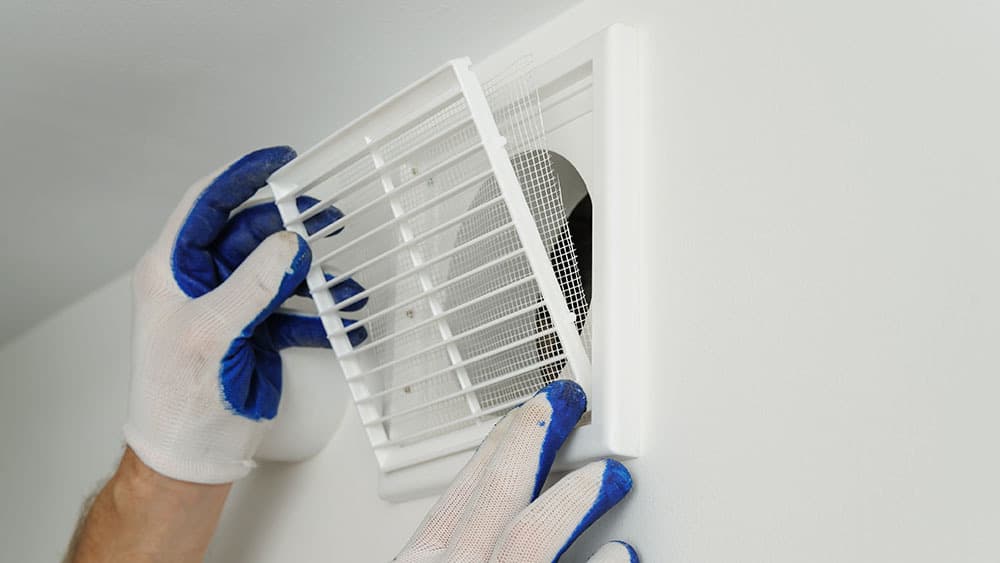

Maintaining healthy airflow inside your home is essential for comfort, energy efficiency, and overall well-being. Stale air, lingering odors, and excess humidity can all result from poor circulation. Whether you live in a new build or an older home, understanding the basics of air movement and how to enhance it can make a significant difference in your living environment.
In this guide, you’ll discover practical steps to boost air circulation, reduce indoor pollutants, and create a fresher, more comfortable space. We’ll cover simple habits, mechanical solutions, and tips for every budget. If you’re interested in more technical details about home ventilation, you might also find the article on ventilation requirements in modern homes helpful.
Understanding the Importance of Good Air Circulation
Proper air movement indoors helps maintain a balanced environment. It reduces the buildup of moisture, prevents mold growth, and helps control allergens. When air is stagnant, pollutants like dust, pet dander, and volatile organic compounds (VOCs) can accumulate, impacting respiratory health and comfort.
Good airflow also supports your heating and cooling systems, making them more efficient and potentially lowering energy costs. By improving how air moves through your home, you create a healthier, more pleasant place to live.
Simple Habits to Enhance Air Movement
You don’t always need to invest in expensive equipment to make a difference. Here are some straightforward actions you can take:
- Open windows and doors regularly to let fresh air in and stale air out, especially during mild weather.
- Use interior doors strategically by keeping them open to allow air to flow between rooms, or closed to direct airflow where needed.
- Clear vents and registers of dust, furniture, and drapes to prevent blockages and ensure air can circulate freely.
- Rotate ceiling fans seasonally—set them to spin counterclockwise in summer for a cooling effect, and clockwise in winter to push warm air down.
- Maintain exhaust fans in kitchens and bathrooms to remove moisture and odors efficiently.
Mechanical Solutions for Better Indoor Airflow
Sometimes, natural ventilation isn’t enough, especially in tightly sealed or multi-story homes. Mechanical systems can help move air more effectively:
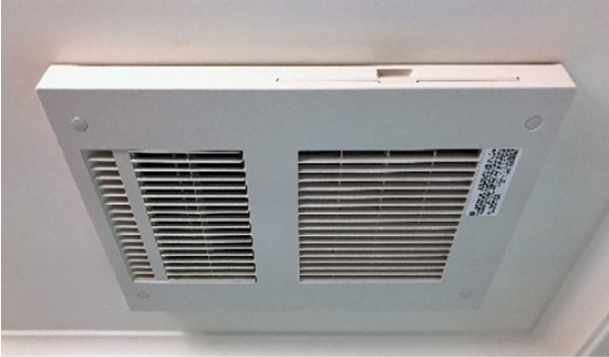
- Whole-house fans can quickly exchange indoor and outdoor air, especially effective during cooler evenings.
- Exhaust fans in bathrooms and kitchens remove moisture and odors directly from the source.
- Air filtration systems help reduce airborne particles and improve overall air quality.
- Portable fans can be used to direct airflow through specific rooms or problem areas.
- HVAC system upgrades such as variable speed blowers and smart thermostats can optimize air distribution throughout your home.
For a deeper dive into how these systems work, the HomeTips guide to residential ventilation systems provides a comprehensive overview.
Targeted Tips for Specific Rooms and Situations
Every home is unique, and certain areas may require special attention to achieve optimal air movement:
- Basements and crawl spaces: Use dehumidifiers and ensure vents are open to prevent dampness and musty odors.
- Attics: Proper attic ventilation is crucial for temperature control and moisture management. Learn more about attic ventilation basics to keep your upper floors comfortable.
- Bedrooms: Keep doors slightly ajar and use fans to maintain a steady flow, especially if windows are often closed.
- Home offices: Electronics can generate heat and stale air. Consider a small desk fan or air purifier to keep things fresh.
Maintenance and Regular Checks for Lasting Results
Consistent upkeep is key to sustaining improved airflow. Here are some maintenance tasks to schedule:
- Replace HVAC filters every 1–3 months to prevent dust buildup and maintain system efficiency.
- Clean vents, grilles, and fans regularly to remove dust and debris.
- Check for obstructions like furniture or rugs blocking air returns and supply vents.
- Inspect ductwork for leaks or damage, which can reduce the effectiveness of your system.
- Schedule professional inspections annually to ensure your HVAC and ventilation systems are working as intended.
Integrating Airflow Improvements with Home Design
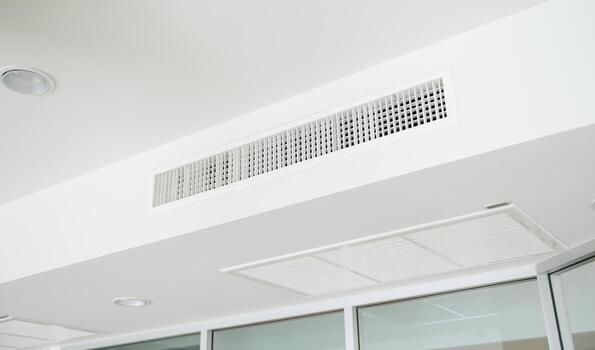
When planning renovations or building a new home, consider airflow from the start. Features like transom windows, open floor plans, and strategically placed vents can make a big difference. If you’re curious about broader strategies, the article on whole-house ventilation explained offers valuable insights.
Even small changes, such as adding door undercuts or installing trickle vents, can help maintain a steady exchange of air without compromising energy efficiency.
Common Mistakes to Avoid
- Blocking vents and returns: Avoid placing furniture or curtains in front of air supply or return vents.
- Neglecting filter changes: Dirty filters restrict airflow and can damage your HVAC system.
- Sealing your home too tightly: While energy efficiency is important, a completely sealed home can trap pollutants. Always balance insulation with adequate ventilation.
- Ignoring attic and roof ventilation: These areas are critical for overall air movement and temperature regulation. For more, see the guide on roof ventilation methods.
Frequently Asked Questions
What are the signs of poor indoor airflow?
Common indicators include persistent odors, condensation on windows, uneven temperatures between rooms, and visible dust buildup. If you notice these issues, it’s a good idea to assess your home’s ventilation and take steps to improve it.
How often should I replace my HVAC filters?
Most experts recommend changing filters every 1–3 months, depending on usage, filter type, and whether you have pets or allergies. Regular replacement keeps your system running efficiently and helps maintain good air quality.
Can plants help with indoor air quality and airflow?
While houseplants can help reduce certain pollutants and add humidity, they don’t significantly improve air circulation. For better airflow, focus on mechanical solutions and regular ventilation.
Is it necessary to use both exhaust fans and air purifiers?
Exhaust fans remove moisture and odors at the source, while air purifiers filter out particles and allergens. Using both can provide a more comprehensive approach to maintaining a healthy indoor environment.
Conclusion
Enhancing the way air moves through your home is a practical step toward a healthier, more comfortable living space. By combining simple habits, mechanical solutions, and regular maintenance, you can address common issues like stuffiness, humidity, and uneven temperatures. For more information on advanced strategies and requirements, explore resources like ventilation requirements in modern homes and related guides. With the right approach, you can enjoy fresher air and a more pleasant home environment year-round.


