For homeowners and real estate developers, one of the most common pool maintenance queries is how long to run pool pump. If you’re struggling to maintain crystal-clear water, a functioning pump is indispensable. In this article, we will dive into the details of optimal pump running times, factors that affect this duration, and tips for efficient pool maintenance.
Why Your Pool Pump Is Important
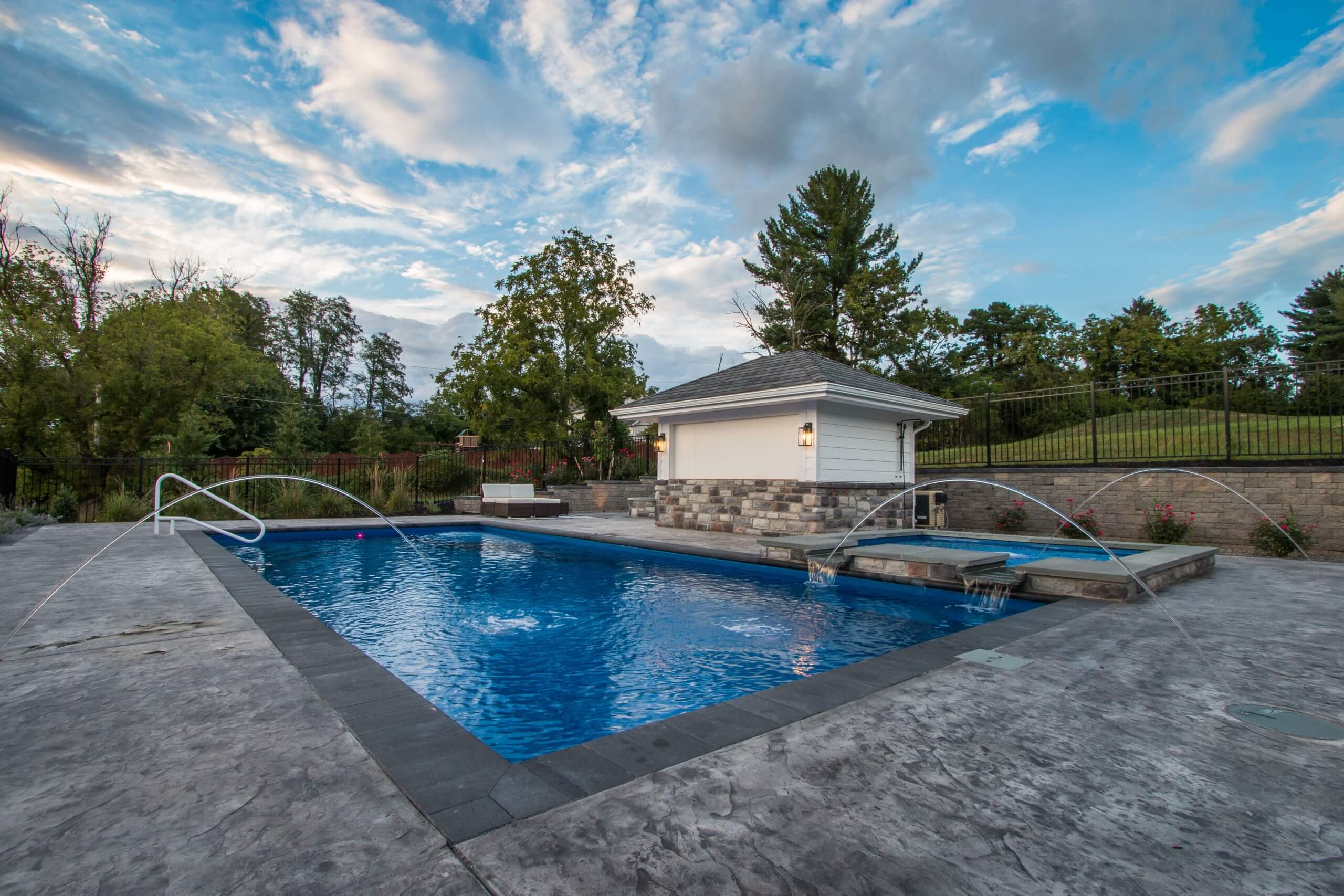
Your pool pump is the heart of your swimming pool’s filtration system. It circulates water, ensuring that debris, dirt, and contaminants are filtered out while keeping chemicals evenly distributed. Without a properly managed pump, you’d struggle to maintain a clean and healthy pool environment.
Factors Affecting How Long to Run Pool Pumps
1. Pool Size
The size of your pool plays a tremendous role in determining pump runtime. Larger pools require more water circulation compared to smaller ones.
2. Pool Usage
Frequent pool usage or crowded pools can lead to higher levels of contamination, requiring longer filtration times.
3. Climate
If you live in a warmer climate where algae growth is a concern, running your pump longer may be necessary.
4. Pool Equipment Efficiency
Modern, energy-efficient pumps may require less runtime compared to older models. Check the manufacturer’s recommendations for optimal performance.
Standard Guidelines for Running a Pool Pump
Daily Hours
Typically, most experts recommend running your pump for at least 8 hours a day. However, depending on the size and usage, this duration may vary.
Seasonal Adjustments
During summer or peak swimming seasons, a pump may need to run longer. Conversely, in winter, you can shorten the pump runtime.
How to Calculate Optimal Pump Runtime
The formula for determining the runtime involves calculating the total water volume of your pool and matching it to your pump’s flow rate. Ideally, all the pool’s water should circulate through the filtration system once a day.
Pool Turnover Rate
Pool turnover rate refers to the time taken for the water to circulate completely through the system. Adjust pump settings accordingly.
Using Pool Timers
Consider using a timer to automate running hours, which adds convenience and prevents energy wastage.
Energy Efficiency Tips for Pool Pumps
Minimizing energy consumption without compromising cleanliness is a key balancing act for pool owners.
1. Use Variable-Speed Pumps
These not only save energy but also allow you to fine-tune circulation rates.
2. Proper Maintenance
Regular pool filter cleaning is essential. (Check out filter cleaning)
3. Opt for Smart Controllers
Advanced controllers can maximize pump efficiency by adjusting run times based on your pool’s needs.
Common Pool Pump Mistakes to Avoid
Running a pool pump too long or too short can lead to inefficient energy use and poor pool hygiene. Avoid these common mistakes:
1. Ignoring Pump Maintenance
Over time, debris and other particles can clog the pump, reducing its effectiveness.
2. Running During Peak Demand Hours
Opt for off-peak periods to save on energy costs.
FAQs
1. Can I run my pool pump at night?
Yes, but keep in mind that nighttime running may not be as efficient for algae prevention as daytime circulation.
2. Is it OK to turn off the pump for a few days?
No, doing so can lead to stagnant water, which becomes a breeding ground for algae and bacteria.
3. What happens if I run the pool pump less than 8 hours?
This may compromise water quality, making regular maintenance more challenging.
Conclusion
Understanding how long to run pool pump is crucial for maintaining a clean, efficient, and enjoyable swimming pool. With proper planning and adjustments based on factors like pool size, climate, and usage, you can easily strike the right balance. For more tips about pool management, visit adding value to a home.
This article contains affiliate links. We may earn a commission at no extra cost to you.