

Understanding how home ventilation works is essential for maintaining a healthy, comfortable, and energy-efficient living environment. Proper air movement in residential spaces helps control moisture, reduce indoor pollutants, and regulate temperature. Whether you live in a modern airtight home or an older building, a well-designed ventilation strategy can improve indoor air quality and support the overall health of occupants.
This article explores the core principles behind residential ventilation, the main types of systems, and practical considerations for optimizing airflow in your home. We’ll also touch on how effective ventilation supports other building strategies, such as sustainable heating systems for passive homes, to create a more comfortable and efficient living space.

Why Ventilation Is Essential in Homes
Airflow within a house is about more than just comfort—it’s a key factor in maintaining a safe and healthy indoor environment. Without adequate ventilation, moisture from cooking, bathing, and even breathing can accumulate, leading to mold growth and structural issues. Pollutants such as volatile organic compounds (VOCs), dust, and allergens can also build up, impacting respiratory health.
Modern construction techniques, which emphasize airtightness for energy efficiency, make intentional ventilation even more important. While airtight homes are excellent for reducing heat loss, they can trap unwanted contaminants unless there’s a reliable way for fresh air to enter and stale air to exit.
Core Principles of Air Movement
At its core, home ventilation relies on the movement of air between the indoors and outdoors. This exchange can occur naturally or be mechanically assisted. The main objectives are to:
- Remove excess humidity and prevent condensation
- Expel indoor pollutants and odors
- Supply fresh air for breathing and combustion appliances
- Balance indoor temperature and comfort
The effectiveness of ventilation depends on factors such as the size of the home, occupancy levels, local climate, and the presence of sources of moisture or pollutants.
Types of Home Ventilation Systems
There are several approaches to managing airflow in residential buildings. Each method has its own advantages and is suited to different types of homes and climates. Here’s a breakdown of the most common systems:
Natural Ventilation
This method relies on openings like windows, doors, and vents to allow air to flow in and out of the house. Wind pressure and temperature differences drive the movement of air. While simple and energy-free, natural ventilation can be unpredictable and is less effective in airtight or well-insulated homes.
Mechanical Exhaust-Only Systems
Exhaust fans, typically installed in kitchens and bathrooms, remove stale or humid air from specific areas. These systems create a slight negative pressure, drawing in fresh air through leaks or dedicated vents. While effective for moisture control, they may not provide balanced airflow throughout the entire home.
Supply-Only Mechanical Systems
These systems use fans to bring fresh air into the home, often through ducts and filters. The positive pressure created helps push stale air out through leaks or vents. Supply-only systems can improve air quality but may require additional exhaust fans to control humidity in wet areas.
Balanced Ventilation Systems
Balanced systems use both supply and exhaust fans to ensure a controlled exchange of indoor and outdoor air. Heat Recovery Ventilators (HRVs) and Energy Recovery Ventilators (ERVs) are common examples. They not only provide fresh air but also recover heat or energy from outgoing air, making them highly efficient for modern, airtight homes.
For a deeper look at which system might suit your property, see this comprehensive guide to ventilation system types.
Key Components of a Ventilation Strategy
An effective approach to air movement in the home involves more than just choosing a system. Here are some important elements to consider:
- Intake Vents: Allow fresh air to enter, often fitted with filters to block dust and pollen.
- Exhaust Vents: Remove stale or humid air, usually from kitchens, bathrooms, and laundry rooms.
- Ductwork: Channels air throughout the home, requiring regular cleaning to prevent buildup.
- Controls: Timers, humidity sensors, and smart systems can automate operation for optimal efficiency.
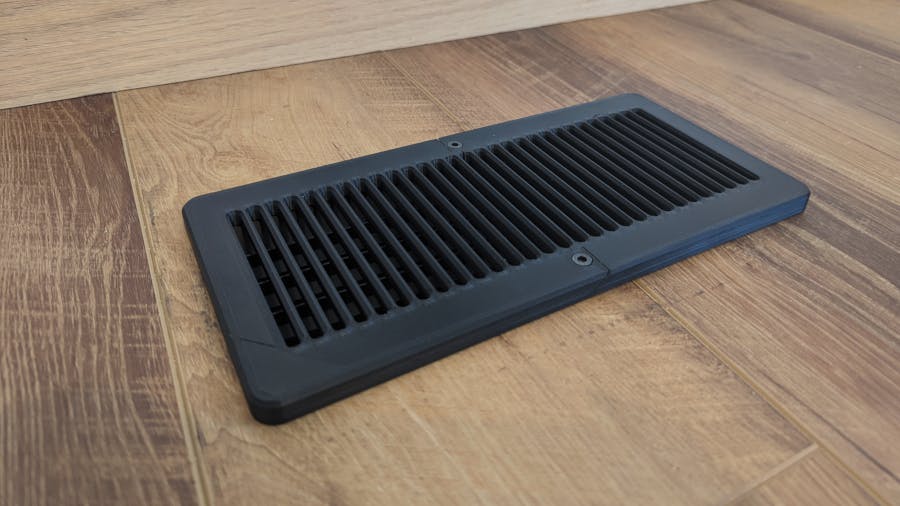
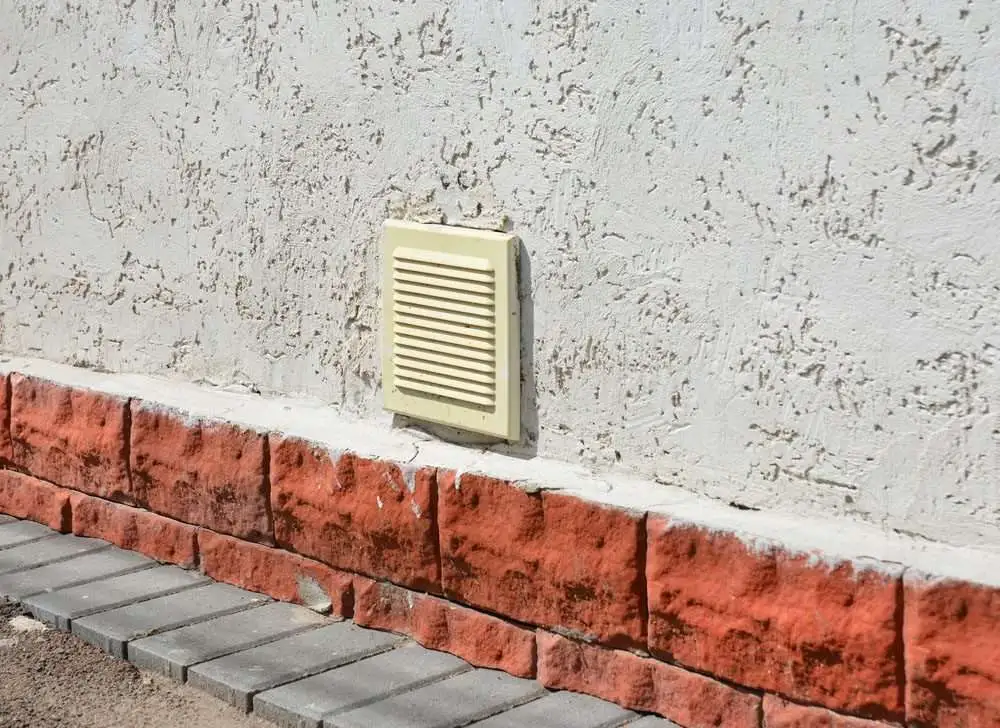
- Vent Covers and Grilles: Protect openings from pests and debris while allowing airflow.
Best Practices for Effective Airflow
To get the most from your ventilation system, keep the following tips in mind:
- Regularly clean and replace filters to maintain air quality.
- Ensure vents are not blocked by furniture, curtains, or debris.
- Use exhaust fans during and after activities that produce moisture, such as cooking or showering.
- Seal unintended gaps in the building envelope to prevent uncontrolled air leakage.
- Consider integrating ventilation with airtight detailing examples for maximum efficiency.
Balancing airtightness with controlled airflow is especially important in energy-efficient homes. For those pursuing passive building standards, reviewing a passive building design checklist can help ensure all aspects of comfort and health are addressed.
Ventilation and Indoor Health
Proper air exchange is directly linked to occupant well-being. Inadequate ventilation can lead to increased concentrations of CO2, allergens, and even harmful gases like radon. By ensuring a steady supply of fresh air and removing contaminants, you create a safer and more pleasant indoor environment.
For more on how building design impacts comfort and wellness, see our article on designing for occupant health and comfort.
Frequently Asked Questions
What are the signs of poor ventilation in a home?
Common indicators include persistent condensation on windows, musty odors, visible mold growth, and lingering cooking or bathroom smells. Occupants may also experience increased allergy symptoms or headaches due to elevated indoor pollutants.
How often should ventilation system filters be replaced?
Most filters should be checked monthly and replaced every 3–6 months, depending on usage, local air quality, and manufacturer recommendations. Regular maintenance ensures optimal performance and air quality.
Can I improve ventilation without major renovations?
Yes. Simple steps like using exhaust fans, opening windows when weather permits, and keeping vents clear can make a significant difference. Portable air filtration units and vent covers can also help manage airflow and reduce contaminants.
Conclusion
A well-designed ventilation system is a cornerstone of a healthy, comfortable, and energy-efficient home. By understanding the principles of air movement, the types of systems available, and the best practices for maintenance, homeowners can ensure their living spaces remain fresh and safe. Integrating these strategies with other building improvements, such as airtight construction vs breathable walls, further enhances both comfort and sustainability.

