Understanding how construction materials affect airflow is essential for anyone involved in building design, renovation, or maintenance. The choice of materials in walls, floors, ceilings, and other structural elements directly shapes how air moves through a building. This influences not only comfort but also energy efficiency, indoor air quality, and the effectiveness of ventilation systems.
Whether you’re planning a new project or retrofitting an older property, knowing the impact of various materials on air movement can help you make informed decisions. This article explores the main ways building components influence airflow, highlights practical considerations, and offers guidance for optimizing ventilation in different scenarios.

For those interested in the framing stage, ventilation considerations during framing can further clarify how early choices impact long-term airflow and comfort.
Material Properties and Their Influence on Air Movement
The physical characteristics of construction materials—such as porosity, density, and permeability—play a major role in determining how air passes through or around them. Materials like concrete, brick, and dense timber are generally less permeable, meaning they resist air movement. In contrast, lightweight materials such as gypsum board or certain types of insulation may allow more air to pass, depending on their structure and installation.
Airflow resistance is a key factor in building science. Materials with high resistance can help prevent drafts and unwanted heat loss, but they may also trap moisture or pollutants if not paired with adequate ventilation. On the other hand, highly permeable materials can allow for natural ventilation but may compromise energy efficiency or indoor air quality if not managed correctly.
How Walls, Floors, and Ceilings Shape Ventilation
The way walls, floors, and ceilings are constructed has a direct impact on air circulation. Solid masonry walls, for example, offer excellent resistance to air infiltration but require intentional openings or vents to support proper ventilation. Stud walls with cavities, especially when filled with insulation, can either restrict or channel airflow depending on the type of insulation and the quality of air sealing.
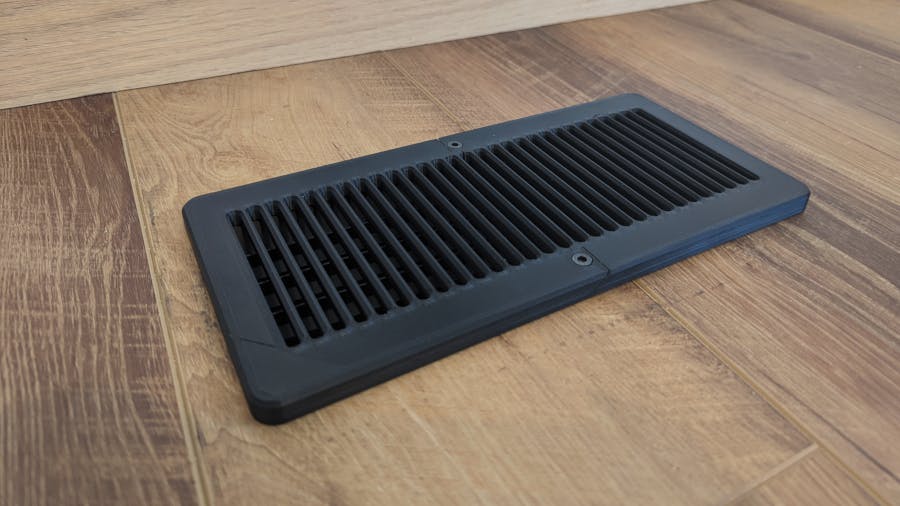
Floors and ceilings also contribute to overall air distribution. Suspended ceilings can conceal ductwork and allow for controlled airflow, while solid concrete slabs tend to block air movement entirely. The presence of gaps, penetrations, or poorly sealed joints can create unintended airflow paths, leading to energy loss or uneven ventilation.
For a deeper dive into the relationship between insulation and air movement, see how insulation affects ventilation.
Openings, Seals, and Air Leakage: Practical Impacts
Even the most airtight materials can lose effectiveness if not installed with care. Gaps around windows, doors, electrical outlets, and plumbing penetrations are common sources of air leakage. The use of proper sealing techniques—such as caulking, weatherstripping, and gaskets—helps maintain control over airflow and prevents unwanted drafts.
Air leakage not only reduces energy efficiency but can also introduce moisture, dust, and outdoor pollutants. This is why modern building codes emphasize continuous air barriers and high-quality seals, especially in energy-efficient homes. Testing methods like the blower door test explained can help identify problem areas and verify the effectiveness of air sealing strategies.
Ventilation Systems and Material Compatibility
The type of ventilation system installed in a building must be compatible with the materials used. For example, mechanical ventilation systems—such as exhaust fans or whole-house fans—require ductwork that can pass through walls, floors, or ceilings without compromising the building envelope. The choice of duct material, insulation, and sealing all influence how well air is distributed and how much energy is lost in the process.
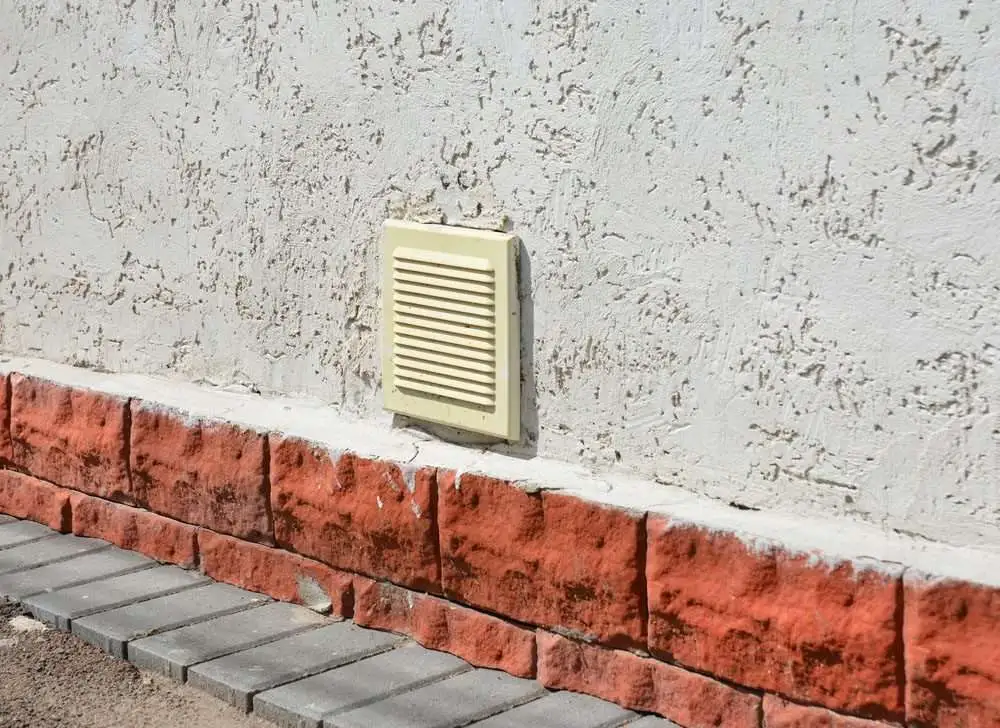
In naturally ventilated buildings, the placement and size of vents, louvers, and operable windows are determined by the airflow resistance of surrounding materials. Some materials, like perforated bricks or vented cladding, are specifically designed to facilitate air movement while maintaining weather resistance.
When selecting a ventilation approach, it’s important to consider both the intended use of each space and the characteristics of the materials involved. For more on choosing the right system, see this guide to different types of ventilation systems.
Balancing Air Sealing and Breathability
Achieving the right balance between airtightness and breathability is a common challenge in modern construction. Overly tight buildings can trap humidity and pollutants, while excessively leaky structures waste energy and may allow moisture intrusion. The optimal solution often involves a combination of well-chosen materials, careful detailing, and mechanical ventilation.
For example, vapor-permeable membranes can allow moisture to escape while blocking bulk air movement. Rigid foam insulation, when properly sealed, can act as both an insulator and an air barrier. The key is to design the building envelope so that it supports controlled ventilation, rather than relying on accidental leaks or drafts.
If you’re planning a renovation, ventilation during home renovation offers practical tips for maintaining healthy airflow as you upgrade materials or layouts.
Common Material Choices and Their Airflow Impacts
| Material Type | Airflow Resistance | Typical Use | Notes |
|---|---|---|---|
| Concrete | High | Walls, floors, foundations | Excellent air barrier, requires intentional vents |
| Brick | Moderate to High | Exterior walls | Can be made more permeable with vented designs |
| Timber (Solid) | Moderate | Framing, floors | Natural material, some air movement through joints |
| Gypsum Board | Low to Moderate | Interior walls, ceilings | Depends on installation quality and sealing |
| Insulation (Fiberglass) | Low | Wall, ceiling cavities | Can allow air movement if not properly sealed |
| Spray Foam | Very High | Walls, roofs | Acts as both insulation and air barrier |
Design Strategies for Optimizing Airflow
To ensure healthy, efficient, and comfortable indoor environments, consider these strategies when selecting and installing building materials:
- Choose materials with appropriate permeability for each part of the building envelope.
- Pay careful attention to sealing joints, penetrations, and transitions between materials.
- Integrate mechanical ventilation systems where natural airflow is insufficient or where airtight construction is prioritized.
- Use vapor-permeable barriers in areas prone to moisture accumulation.
- Regularly inspect and maintain seals, vents, and ductwork to prevent unintended air leakage.
For those balancing energy efficiency with indoor air quality, the article on air sealing and ventilation balance provides further insights.
Frequently Asked Questions
What types of construction materials are best for controlling airflow?
Materials that offer high resistance to air movement, such as concrete, brick, and spray foam insulation, are effective at controlling airflow. However, the best choice depends on the specific needs of the building, including the desired level of airtightness and the ventilation strategy in place.
How do gaps and poor sealing affect building ventilation?
Gaps, cracks, and poorly sealed joints can lead to uncontrolled air leakage, reducing energy efficiency and potentially introducing moisture or pollutants. Proper sealing and the use of continuous air barriers are essential for maintaining healthy and efficient airflow.
Can natural materials like wood help with ventilation?
Natural materials such as solid timber can allow some air movement through joints and grain, but they are typically used in combination with other materials and sealing methods to achieve the desired balance of airflow and insulation.
Is it possible to retrofit older buildings for better airflow control?
Yes, older buildings can often be improved by adding insulation, sealing leaks, and installing mechanical ventilation systems. Assessing the existing materials and identifying areas of air leakage are important first steps in any retrofit project.