
Understanding home ventilation basics is crucial for maintaining a healthy, comfortable, and energy-efficient living environment. Proper airflow ensures that indoor air remains fresh, helps control humidity, and reduces the buildup of pollutants and allergens. Whether you live in a modern airtight home or an older building, knowing the essentials of ventilation can help you make informed decisions about improving your indoor air quality.
This article covers the core principles of residential ventilation, explores different system types, and provides practical tips for optimizing airflow. Along the way, you’ll find helpful resources, product recommendations, and answers to common questions about keeping your home well-ventilated.
For those interested in energy-efficient building strategies, you may also want to explore our sustainable heating systems for passive homes guide, which complements the principles discussed here.
Why Proper Airflow Matters in Homes
Good ventilation is more than just opening a window. It’s about ensuring a continuous exchange of indoor and outdoor air to dilute contaminants, manage moisture, and support occupant health. Without adequate airflow, homes can develop problems such as mold growth, lingering odors, and increased concentrations of dust, volatile organic compounds (VOCs), and carbon dioxide.
Modern construction techniques often focus on making homes airtight for energy efficiency. While this reduces drafts and lowers heating and cooling costs, it also makes mechanical or controlled ventilation essential. Balancing airtightness with proper airflow is a key aspect of home ventilation basics.
Types of Residential Ventilation Systems
There are several ways to achieve effective ventilation in a home. The main categories include natural, mechanical, and hybrid systems. Each has its advantages and best-use scenarios.
Natural Ventilation
This method relies on passive forces—such as wind and temperature differences—to move air through windows, vents, and other openings. While simple and energy-free, natural ventilation can be inconsistent, especially in tightly sealed homes or during extreme weather.
- Operable windows and doors
- Trickle vents
- Ventilated skylights
Mechanical Ventilation
Mechanical systems use fans and ductwork to control the movement of air. These systems can be designed to exhaust stale air, supply fresh air, or both. Common types include:
- Exhaust-only systems: Remove air from specific areas (like bathrooms or kitchens) to the outside.
- Supply-only systems: Bring outdoor air in, often filtered, to improve indoor quality.
- Balanced systems: Combine both exhaust and supply for consistent air exchange, often with heat or energy recovery features.
For a deeper dive into the different systems available, see this comprehensive overview of house ventilation system types.
Hybrid (Mixed-Mode) Ventilation
Some homes use a combination of natural and mechanical approaches, switching between them depending on weather, occupancy, or air quality needs. This flexibility can optimize both comfort and energy use.
Key Components of a Ventilation System
A well-designed system consists of several elements working together to ensure effective airflow and filtration. Here are the main parts:
- Intake vents: Allow fresh air to enter the home.
- Exhaust vents: Expel stale or moist air outside.
- Ductwork: Channels air throughout the building.
- Fans: Power the movement of air, especially in mechanical systems.
- Filters: Remove dust, pollen, and other particles from incoming or recirculated air.
Common Problems and Solutions for Indoor Airflow
Even with a ventilation system in place, some homes experience issues that affect air quality or comfort. Here are a few typical challenges and how to address them:
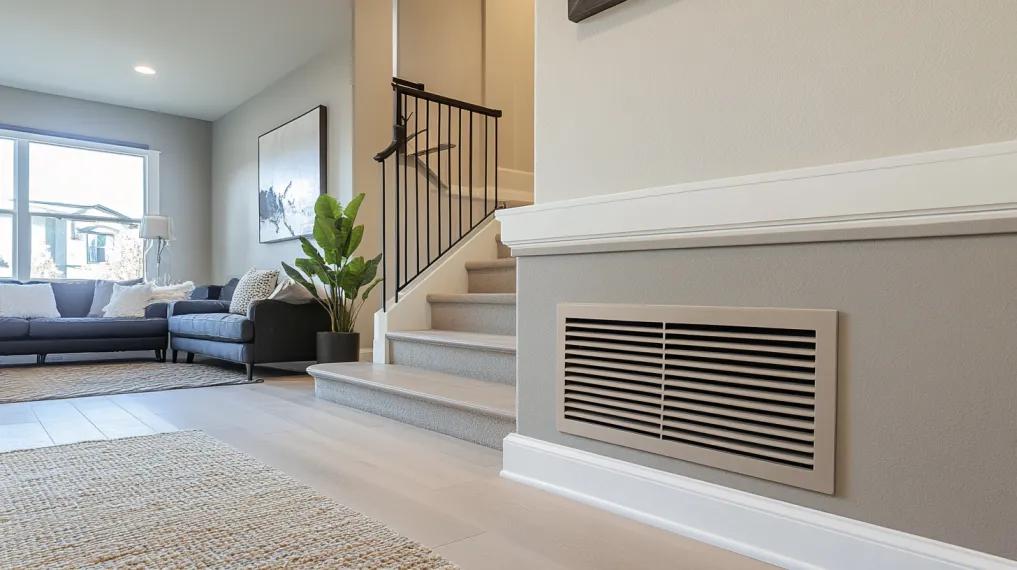
- Stale air in closed rooms: Ensure that supply and return vents are not blocked by furniture or drapes.
- High humidity in bathrooms or kitchens: Install or upgrade exhaust fans and use them during and after activities that produce moisture.
- Dust buildup: Change or clean filters regularly and consider adding an air filtration kit for enhanced particle removal.
- Uneven temperatures: Check for duct leaks or poor insulation, and balance airflow by adjusting vent dampers.
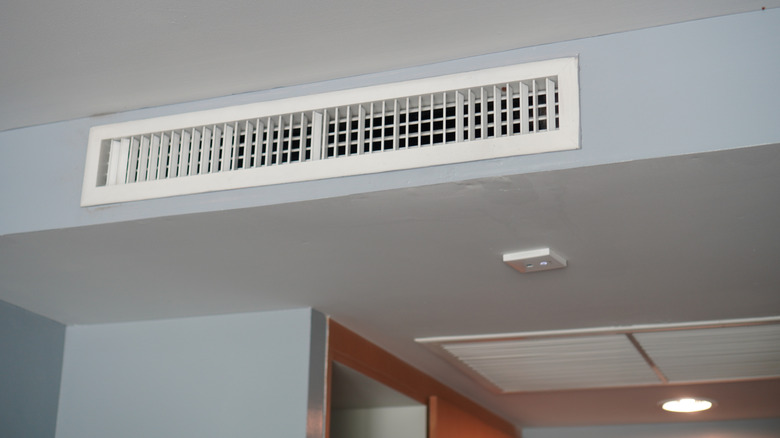
Tips for Improving Air Quality and Comfort
Applying the fundamentals of home ventilation basics can make a noticeable difference in your living environment. Consider these practical steps:
- Open windows regularly when outdoor conditions allow, especially during mild weather.
- Use kitchen and bathroom fans during and after activities that generate moisture or odors.
- Maintain and clean filters in HVAC and ventilation systems according to manufacturer recommendations.
- Inspect ductwork for leaks or blockages and repair as needed.
- Consider installing a balanced mechanical system with heat recovery for maximum efficiency and comfort.
- Monitor indoor humidity and use dehumidifiers or humidifiers to maintain optimal levels (30–50%).
For those designing or renovating homes with a focus on health and comfort, our designing for occupant health and comfort resource offers additional insights.
FAQ: Answers to Common Ventilation Questions
How often should I run my mechanical ventilation system?
Most experts recommend running mechanical systems continuously or at least several hours per day, especially in airtight homes. This ensures a steady exchange of indoor and outdoor air, helping to maintain healthy conditions.
Can I rely on natural ventilation alone?
While opening windows and vents can be effective in some climates and seasons, natural airflow is often inconsistent. Mechanical systems provide more reliable control, especially in modern, energy-efficient homes where airtightness is a priority.
What’s the difference between supply, exhaust, and balanced systems?
Supply systems bring fresh air in, exhaust systems remove stale air, and balanced systems do both simultaneously. Balanced setups, often with heat or energy recovery, are considered the most effective for consistent indoor air quality.
How do I know if my home needs better ventilation?
Signs include persistent odors, condensation on windows, visible mold, or frequent allergy symptoms. If you notice these issues, consider evaluating your current system and exploring upgrades or maintenance.
Conclusion
Mastering the essentials of residential airflow is key to a healthier, more comfortable home. By understanding the different system types, recognizing common issues, and applying practical solutions, you can create an indoor environment that supports well-being and energy efficiency. For further reading on related topics, check out our passive building design checklist and airtight detailing examples.