


Maintaining fresh air circulation in your home or workspace is essential for comfort, health, and overall indoor air quality. Adequate airflow helps remove pollutants, controls humidity, and reduces the risk of mold and allergens. Whether you live in a modern apartment or an older house, understanding the best ways to keep air moving can make a significant difference in your daily environment.
In this guide, you’ll discover practical strategies for improving ventilation, learn about different systems and tools, and find actionable advice for every room. If you’re interested in more specialized topics, such as the proper placement of exhaust fans, there are resources available to help you optimize airflow even further.
Why Good Airflow Matters Indoors
Proper ventilation is more than just a comfort issue—it directly impacts your health and the longevity of your home. Stale air can trap dust, allergens, and moisture, leading to respiratory issues and structural problems like mold. By following fresh air circulation tips, you can ensure a healthier and more pleasant living space.
- Reduces indoor air pollution: Regular airflow helps remove contaminants and brings in oxygen-rich outdoor air.
- Controls humidity: Prevents dampness, which can cause mold and mildew.
- Improves comfort: Keeps temperatures balanced and prevents stuffiness.
For spaces like garages, you may want to explore garage ventilation basics to address unique airflow challenges in those areas.
Simple Ways to Boost Air Movement
There are several straightforward methods to enhance air movement in your home. These range from opening windows to using mechanical systems. Here are some effective approaches:
Open Windows Strategically
One of the easiest ways to increase ventilation is to open windows on opposite sides of a room or house. This cross-ventilation technique allows fresh air to flow in while pushing stale air out. For best results, open windows during cooler parts of the day to avoid bringing in excess heat.

Use Exhaust Fans Effectively
Exhaust fans are designed to pull stale or humid air out of specific rooms, such as bathrooms and kitchens. Make sure to run these fans during and after activities that generate moisture or odors, like showering or cooking. For more details, see bathroom ventilation fundamentals and kitchen ventilation explained.
Install Whole House or Attic Fans
Whole house fans and attic fans can quickly exchange indoor air with outdoor air, especially during cool evenings. These systems are particularly effective in multi-story homes and can help reduce reliance on air conditioning.
Mechanical and Passive Ventilation Systems
Beyond simple window and fan solutions, there are both passive and mechanical systems designed to maintain steady airflow throughout your home.
- Passive vents: These include trickle vents, air bricks, and undercut doors that allow air to move naturally between rooms.
- Mechanical ventilation: Systems like heat recovery ventilators (HRVs) and energy recovery ventilators (ERVs) actively exchange indoor and outdoor air while minimizing energy loss.
- Filtration kits: Adding air filtration can help remove dust, pollen, and other particles as air circulates.
For more information about advanced ventilation technologies, check out this comprehensive overview of modern ventilation systems.
Room-by-Room Circulation Strategies
Each area of your home has unique ventilation needs. Here are some targeted suggestions:
Living Areas and Bedrooms
Regularly open windows and doors to encourage cross-ventilation. Use ceiling or portable fans to keep air moving, especially during mild weather when you want to avoid running the HVAC system.
Bathrooms
Always use an exhaust fan during and after showers to remove moisture and prevent mold. If possible, leave the bathroom door open after use to allow fresh air to circulate.
Kitchens
Cooking generates heat, moisture, and odors. Run the range hood or an exhaust fan while cooking, and open a window if possible to help clear the air.
Garages and Utility Spaces
These areas can accumulate fumes and humidity. Consider installing vents or using portable fans. For more in-depth advice, refer to the guide on crawl space ventilation best practices for tips on keeping less-frequented spaces healthy.
Common Mistakes to Avoid
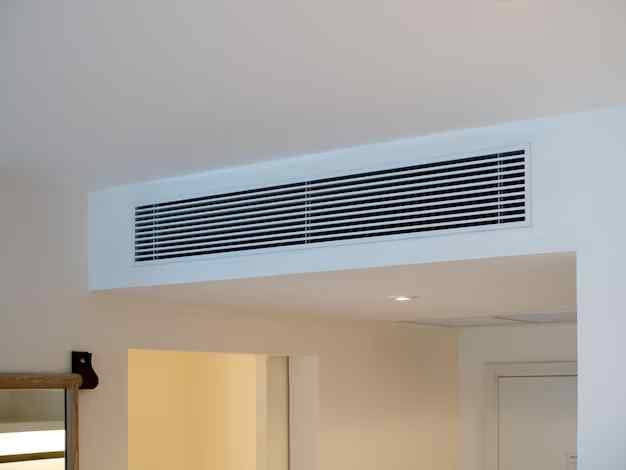
- Blocking vents: Keep furniture and curtains away from vents and registers to allow free airflow.
- Neglecting maintenance: Clean or replace filters in fans and HVAC systems regularly to maintain efficiency.
- Ignoring humidity: Use dehumidifiers in damp areas and monitor indoor humidity to prevent mold growth.
- Over-reliance on closed systems: Even with air conditioning, periodic fresh air exchange is necessary for healthy indoor air.
FAQ: Circulating Fresh Air at Home
How often should I ventilate my home?
It’s best to allow fresh air in daily, even if only for a short period. Open windows for at least 10–15 minutes each day, especially during mild weather. In areas with high outdoor pollution or pollen, use mechanical ventilation and filtration systems to maintain indoor air quality.
What are the signs of poor air circulation?
Signs include persistent odors, condensation on windows, visible mold, and a feeling of stuffiness. If you notice these issues, it’s time to review your ventilation strategies and consider upgrades or maintenance.
Are there energy-efficient ways to improve airflow?
Yes. Use ceiling fans to supplement heating and cooling, install energy recovery ventilators, and ventilate during cooler parts of the day to minimize energy loss. Whole house fans can also help reduce air conditioning needs when used properly.
Do I need special ventilation for crawl spaces or attics?
Yes, these areas are prone to moisture buildup and should have dedicated vents or fans. For more details, see the article on crawl space ventilation best practices.
Final Thoughts
Applying these fresh air circulation tips can make a noticeable difference in your home’s comfort and health. From simple habits like opening windows to investing in mechanical systems, every step helps create a fresher, safer indoor environment. Remember to tailor your approach to each room, maintain your equipment, and stay informed about the latest ventilation solutions for optimal results.


