
Understanding the essentials of foundation ventilation is crucial for maintaining a healthy, energy-efficient home. The right approach to airflow beneath your house helps prevent moisture buildup, mold growth, and structural issues. Whether you’re a homeowner, builder, or renovator, getting the fundamentals right can save time, money, and future headaches.
This guide covers the core principles of ventilating crawl spaces and foundations, explains why it matters, and outlines practical steps for effective airflow management. For those planning construction or upgrades, it’s also helpful to review related topics such as ventilation considerations during framing to ensure a comprehensive approach.
Why Proper Airflow Under Your Home Matters
The area beneath a house—whether a crawl space or basement—can be vulnerable to excess moisture. Without adequate ventilation, trapped humidity can lead to wood rot, pest infestations, and unhealthy indoor air. Over time, these issues may compromise the structural integrity of your home and create expensive repair needs.
Effective foundation venting helps to:
- Reduce moisture accumulation that can cause mold and mildew
- Protect wooden framing and subflooring from rot
- Discourage termites and other pests that thrive in damp environments
- Improve overall indoor air quality
- Support energy efficiency by maintaining appropriate humidity levels
Key Principles of Foundation Ventilation
At its core, the goal is to allow fresh air to circulate beneath the house while enabling stale, moist air to escape. The right balance depends on climate, building design, and local codes. Here are the main principles:
- Vent Placement and Sizing: Vents should be distributed evenly along the foundation walls, especially on opposite sides, to promote cross-ventilation. Most codes specify a minimum vent area per square footage of crawl space.
- Moisture Barriers: While vents help manage humidity, installing a vapor barrier (such as 6-mil polyethylene plastic) on the ground is essential to block ground moisture from entering the crawl space.
- Seasonal Adjustments: In some climates, vents may be closed during winter to prevent pipes from freezing and opened in warmer months to maximize airflow.
- Active vs. Passive Systems: Passive systems rely on natural airflow, while active systems use fans to move air. The choice depends on the specific needs of your home and local conditions.
Types of Foundation Ventilation Systems
There are several approaches to managing airflow under a home. The most common types include:
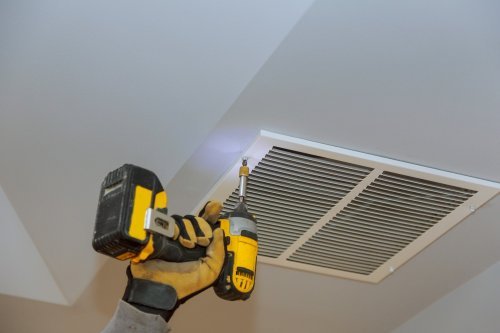
- Passive Vents: These are fixed or adjustable grilles installed in the foundation walls. They rely on wind and temperature differences to move air.
- Mechanical Ventilation: Powered fans actively draw air in or out of the crawl space, providing consistent air exchange regardless of outdoor conditions.
- Conditioned Crawl Spaces: Instead of venting to the outside, some modern homes seal the crawl space and use HVAC systems to control humidity and temperature.
The best option depends on your climate, home design, and whether you’re building new or retrofitting an existing structure. For a deeper dive into how insulation interacts with airflow, see how insulation affects ventilation.
Installation and Maintenance Tips
Ensuring effective ventilation involves more than just installing vents. Here are some practical steps:
- Inspect Regularly: Check vents for blockages from debris, leaves, or animal nests.
- Seal Gaps: Make sure all other openings (such as plumbing or wiring penetrations) are properly sealed to prevent unwanted moisture or pests.
- Monitor Humidity: Use a hygrometer to track moisture levels in the crawl space. If humidity remains high, consider upgrading to mechanical ventilation.
- Maintain Vapor Barriers: Ensure the ground cover is intact and covers the entire soil surface.
- Adjust Seasonally: Open or close vents as appropriate for your region and weather patterns.
Common Mistakes and How to Avoid Them
Even with the best intentions, mistakes in venting crawl spaces are common. Here are a few to watch for:
- Insufficient Vent Area: Not providing enough vent openings can limit airflow and trap moisture.
- Improper Placement: Vents should be located to allow cross-ventilation, not just clustered in one area.
- Neglecting Vapor Barriers: Relying on vents alone without a ground cover can leave your crawl space vulnerable to moisture.
- Blocking Vents: Landscaping, debris, or storage items can obstruct vents and reduce effectiveness.
- Ignoring Local Codes: Always check local building codes for minimum vent requirements and best practices.
Integrating Foundation Ventilation With Whole-Home Systems
Modern homes often combine crawl space airflow with broader HVAC and air quality strategies. For example, integrating a whole house fan or filtration kit can further improve indoor air quality and comfort. If you’re interested in how these systems work together, you can learn more from this detailed explanation of home ventilation systems.
Balancing air sealing with ventilation is also critical. Too much sealing can trap moisture, while too little can waste energy. For more on this topic, see air sealing and ventilation balance.
FAQ: Foundation Airflow and Moisture Management
How do I know if my crawl space has enough ventilation?
Check for signs such as musty odors, visible mold, or dampness on the foundation walls. Building codes usually require a minimum vent area per square foot of crawl space. If you’re unsure, consult a professional or reference your local code.
Is it better to use mechanical or passive vents?
Passive vents work well in many climates, but mechanical systems provide more consistent results, especially in humid or tightly sealed homes. The choice depends on your specific needs and budget.
Should vents be open year-round?
In moderate climates, vents can remain open most of the year. In colder areas, it’s common to close vents in winter to prevent freezing pipes and reopen them in spring. Always monitor humidity and adjust as needed.
Can insulation impact foundation ventilation?
Yes, insulation can affect airflow and moisture control. For a thorough discussion, see how insulation affects ventilation.
Conclusion: Building a Healthy Foundation
Mastering the essentials of venting your crawl space or basement is a key step toward a healthier, longer-lasting home. By following the core principles outlined here—proper vent placement, moisture barriers, regular maintenance, and integration with whole-home systems—you can prevent many common problems before they start.
For those renovating or building, don’t overlook the importance of airflow during every stage of construction. If you’re planning major changes, it’s also wise to review ventilation during home renovation for additional tips.
Thoughtful planning and regular upkeep will keep your foundation dry, your indoor air fresh, and your home protected for years to come.