Managing airflow and indoor air quality in arid regions presents unique challenges. With low humidity and high temperatures, homes and buildings in these areas require specialized approaches to maintain comfort, protect building materials, and support occupant health. This guide explores practical dry climate ventilation strategies that address these concerns, helping you create a balanced indoor environment while conserving energy.
Whether you’re a homeowner, builder, or facility manager, understanding the principles behind effective air movement and moisture control is key. We’ll cover essential methods, recommended equipment, and actionable tips for optimizing ventilation in dry environments. For those interested in room-specific solutions, you may also want to review our resource on proper placement of exhaust fans to further enhance your system’s efficiency.
Understanding Ventilation Needs in Arid Environments
Unlike humid regions, dry climates often experience rapid air exchange due to temperature differences between indoors and outdoors. However, this natural airflow can also lead to excessive dryness, dust infiltration, and uneven cooling. The primary goals of any ventilation system for dry climates are to:
- Maintain comfortable humidity levels without introducing excess moisture
- Remove indoor pollutants, allergens, and odors efficiently
- Prevent heat buildup, especially during hot afternoons
- Protect building materials from cracking or warping due to dryness
Achieving these objectives requires a thoughtful combination of passive and active ventilation methods, tailored to the unique conditions of arid regions.
Passive Versus Active Airflow Solutions
There are two main categories of ventilation strategies for dry climates: passive and active. Each offers distinct advantages and is best suited for specific applications.
Passive Techniques
- Cross-Ventilation: Placing windows and vents on opposite sides of a room or building encourages natural airflow, especially when aligned with prevailing winds.
- Stack Effect: Utilizing vertical spaces (such as stairwells or clerestory windows) allows warm air to rise and exit, drawing cooler air in from below.
- Shading and Insulation: Reducing solar gain through awnings, reflective roofing, and insulation helps maintain cooler indoor temperatures, minimizing the need for mechanical ventilation.
Active Systems
- Whole House Fans: These powerful fans draw cooler outdoor air through open windows and exhaust hot air through attic vents, providing rapid air exchange in the evenings or early mornings.
- Ceiling and Exhaust Fans: Strategically placed fans help circulate air, remove heat, and expel contaminants from kitchens, bathrooms, and utility spaces.
- Air Filtration Units: In dusty environments, filtration systems trap particulates and improve indoor air quality without adding humidity.
Optimizing Whole House Ventilation in Dry Regions
One of the most effective approaches for arid climates is the use of a whole house fan. This system is designed to quickly flush out hot, stale air and replace it with cooler outdoor air when temperatures drop in the evening.

For best results, operate the fan during the coolest parts of the day. Open windows in occupied rooms to direct fresh air flow, and close them as outdoor temperatures rise. This approach not only cools your home efficiently but also reduces reliance on air conditioning, saving energy and lowering utility costs.
For more on targeted ventilation, see our detailed guide on bathroom ventilation fundamentals to ensure moisture and odors are managed effectively in high-use spaces.
Filtration and Air Quality in Dusty, Dry Areas
Dust and allergens are common concerns in arid climates. Incorporating filtration into your ventilation plan for dry regions helps maintain a healthy indoor environment. High-efficiency particulate air (HEPA) filters and electrostatic systems can capture fine dust, pollen, and other airborne particles.
- Install filtration units in central air systems or as standalone devices in living areas
- Replace or clean filters regularly to ensure optimal performance
- Seal gaps around doors and windows to minimize dust intrusion
In addition, consider using exhaust fans in kitchens and bathrooms to quickly remove pollutants and odors. For more information on kitchen-specific solutions, review our article on kitchen ventilation explained.
Humidity Management for Comfort and Health
While excess moisture is rarely a problem in dry climates, extremely low humidity can lead to discomfort, respiratory irritation, and damage to wood furnishings or flooring. Balancing air exchange with humidity retention is crucial.
- Use humidifiers during the driest months to maintain indoor humidity between 30–50%
- Limit over-ventilation during the hottest, driest parts of the day
- Seal building envelopes to prevent unnecessary air leakage
For spaces like garages or crawl spaces, specialized approaches may be needed. Our resource on garage ventilation basics covers strategies for these unique areas, while crawl space ventilation best practices addresses subfloor air movement.
Equipment Selection and Placement Tips
Choosing the right equipment and installing it in optimal locations is essential for effective ventilation in arid environments. Here are some practical tips:
- Position exhaust fans near ceilings, where hot air accumulates
- Install intake vents at lower levels to draw in cooler air
- Ensure attic spaces are well-ventilated to prevent heat buildup
- Use programmable timers or smart controls for automated operation
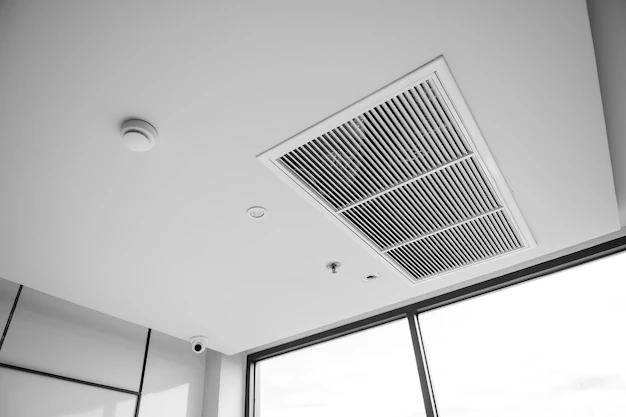
For a deeper understanding of how different systems work together, you can read a comprehensive explanation of how home ventilation works and how it applies to various climate zones.
Maintenance and Seasonal Adjustments
Regular maintenance is vital for ensuring your ventilation system operates efficiently year-round. In dry climates, dust accumulation can quickly reduce airflow and strain equipment.
- Inspect and clean fans, vents, and filters at least twice a year
- Check for gaps or leaks in ductwork and seal as needed
- Adjust ventilation schedules seasonally to match outdoor conditions
By staying proactive with upkeep, you can extend the life of your equipment and maintain optimal indoor air quality.
Frequently Asked Questions
What is the best way to ventilate a home in a dry climate?
The most effective approach combines passive techniques like cross-ventilation and stack effect with active systems such as whole house fans and targeted exhaust fans. This allows for rapid air exchange during cooler periods while minimizing excessive dryness and dust intrusion.
How can I reduce dust and allergens indoors?
Use high-quality air filtration units, seal windows and doors, and clean filters regularly. Incorporating exhaust fans in kitchens and bathrooms also helps remove pollutants and maintain a healthier indoor environment.
Should I use a humidifier with my ventilation system?
In extremely arid conditions, a humidifier can help maintain comfortable indoor humidity levels, especially during winter. Use it in conjunction with controlled ventilation to prevent over-drying without encouraging mold growth.
Where should I place exhaust fans for maximum efficiency?
Install exhaust fans near ceilings or in areas where heat and moisture accumulate, such as bathrooms, kitchens, and attics. For more guidance, see our article on proper placement of exhaust fans.