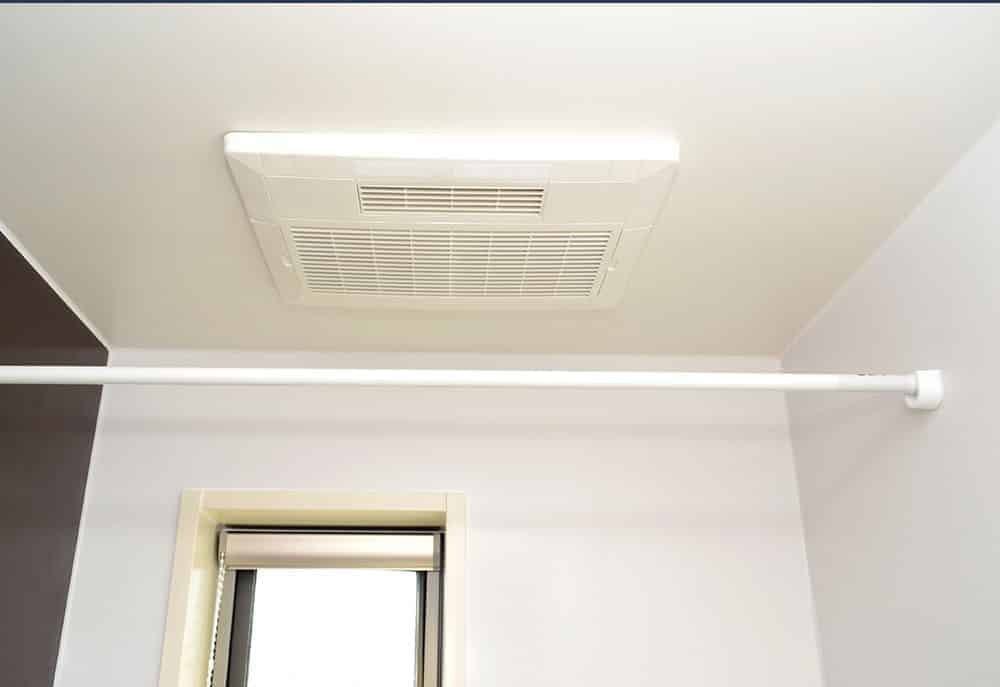

Understanding CFM requirements for ventilation is essential for creating a healthy, comfortable, and energy-efficient living space. CFM, or cubic feet per minute, measures the volume of air moved by a fan or ventilation system. Getting the right airflow ensures that stale air, moisture, and indoor pollutants are effectively removed, reducing the risk of mold, odors, and poor indoor air quality.
Whether you are building a new home, renovating, or simply upgrading your ventilation, knowing the correct CFM values for each room is crucial. This guide covers the basics of calculating airflow needs, factors that influence these requirements, and practical tips for choosing and installing ventilation solutions.
For those interested in optimizing airflow in specific areas, you may find the proper placement of exhaust fans particularly useful. Strategic fan location can make a significant difference in how effectively air is exchanged throughout your home.
What Is CFM and Why Does It Matter?
CFM stands for cubic feet per minute and is the standard measurement for airflow in ventilation systems. The higher the CFM rating, the more air a fan or system can move in one minute. Selecting the right CFM ensures that air is exchanged efficiently, which is vital for removing humidity, odors, and airborne contaminants.
Insufficient airflow can lead to problems such as condensation, mold growth, and lingering smells. On the other hand, excessive airflow may waste energy and create drafts. Balancing these factors is key to effective home ventilation.
Standard CFM Guidelines for Home Areas
Each room in a house has different ventilation needs based on its size, function, and moisture levels. Here are some common recommendations for CFM requirements for ventilation in various spaces:
- Bathrooms: At least 50 CFM for small bathrooms or half baths. For larger or master bathrooms, 100 CFM or more is often needed, especially if there is a shower or tub.
- Kitchens: Range hoods should provide 100–150 CFM for standard cooking, but up to 300–400 CFM for high-output stoves or frequent frying.
- Bedrooms and Living Areas: General guidelines suggest 1 CFM per square foot of floor area, or a minimum of 50–100 CFM for average rooms.
- Laundry Rooms: At least 50 CFM is recommended to remove excess humidity and lint particles.
- Whole House Ventilation: For balanced systems, aim for 0.35 air changes per hour, which often translates to 100–200 CFM depending on home size and layout.

How to Calculate the Right Airflow for Each Room
To determine the ideal CFM for a specific space, start by measuring the room’s dimensions (length × width × height) to get the total cubic feet. Most guidelines recommend exchanging the air in a room 8 times per hour for bathrooms and kitchens, and 4–6 times per hour for living spaces.
Here’s a simple formula:
- Calculate room volume: Length × Width × Height = Cubic Feet
- Multiply by recommended air changes per hour (ACH): Cubic Feet × ACH
- Divide by 60 (minutes per hour): (Cubic Feet × ACH) ÷ 60 = Required CFM
For example, a 100 sq ft bathroom with 8-foot ceilings (800 cubic feet) needing 8 air changes per hour: (800 × 8) ÷ 60 ≈ 107 CFM. This means you should select a fan rated for at least 110 CFM.
Factors That Influence Ventilation Needs
While standard guidelines provide a starting point, several factors can affect the actual CFM requirements for ventilation in your home:
- Occupancy: More people generate more moisture and CO2, increasing the need for airflow.
- Appliance Use: Gas stoves, dryers, and other appliances may require additional ventilation.
- Climate: Humid regions often need higher CFM to control moisture, while dry climates may need less.
- Home Tightness: Modern, well-sealed homes trap air more efficiently, making mechanical ventilation critical.
- Existing Ductwork: Long or complex duct runs can reduce effective airflow, so it’s important to account for losses.
Choosing the Right Ventilation Equipment
When selecting fans or ventilation systems, look for products with certified CFM ratings. Features such as variable speed, humidity sensors, and quiet operation can enhance comfort and efficiency. For specific areas, consider:
- Bathroom Fans: Choose models with the right CFM and low noise ratings (measured in sones).
- Kitchen Range Hoods: Match the CFM to your cooking habits and stove size.
- Whole House Fans: Ideal for drawing in fresh air and exhausting hot air during mild weather.
- Air Filtration Kits: Useful for improving indoor air quality alongside ventilation.
For more on specialized spaces, see our guides on crawl space ventilation best practices and garage ventilation basics.
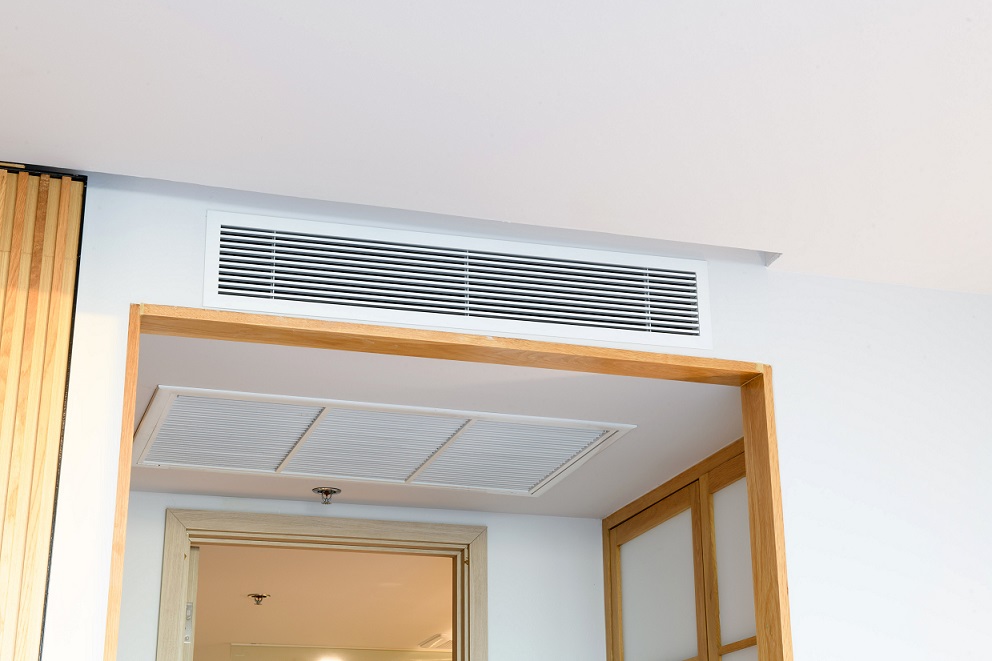
Best Practices for Installation and Maintenance
Proper installation is just as important as selecting the right equipment. Here are some tips to ensure your system delivers the intended airflow:
- Install fans as close as possible to the source of moisture or pollutants.
- Use smooth, straight ductwork with minimal bends to reduce resistance.
- Seal all duct joints to prevent air leaks.
- Regularly clean fan blades, grilles, and filters to maintain performance.
- Test airflow periodically using a simple anemometer or by checking for fogged mirrors and lingering odors.
For more details on optimizing your system, our article on bathroom ventilation fundamentals offers practical advice for one of the most moisture-prone rooms in the house.
Improving Indoor Air Quality With Proper Ventilation
Effective air exchange does more than just control humidity—it also helps remove allergens, VOCs, and other indoor pollutants. Combining mechanical ventilation with air filtration can further enhance your home’s air quality. For a deeper dive into the benefits and strategies for healthy indoor environments, see this comprehensive guide to home ventilation.
Frequently Asked Questions
How do I know if my current ventilation system meets the recommended CFM?
Check the manufacturer’s label on your fans or ventilation units for their CFM rating. Compare this number to the calculated needs for each room. If you notice persistent humidity, odors, or condensation, your system may be underperforming.
Can I use one large fan for multiple rooms?
While a powerful fan can move a lot of air, it’s usually best to have dedicated ventilation for each area, especially for bathrooms and kitchens. This ensures that moisture and pollutants are removed directly from the source.
What happens if my ventilation is oversized?
Excessive airflow can lead to unnecessary energy use, drafts, and even negative pressure that draws in outdoor contaminants. It’s important to match the system to your home’s specific needs for optimal comfort and efficiency.