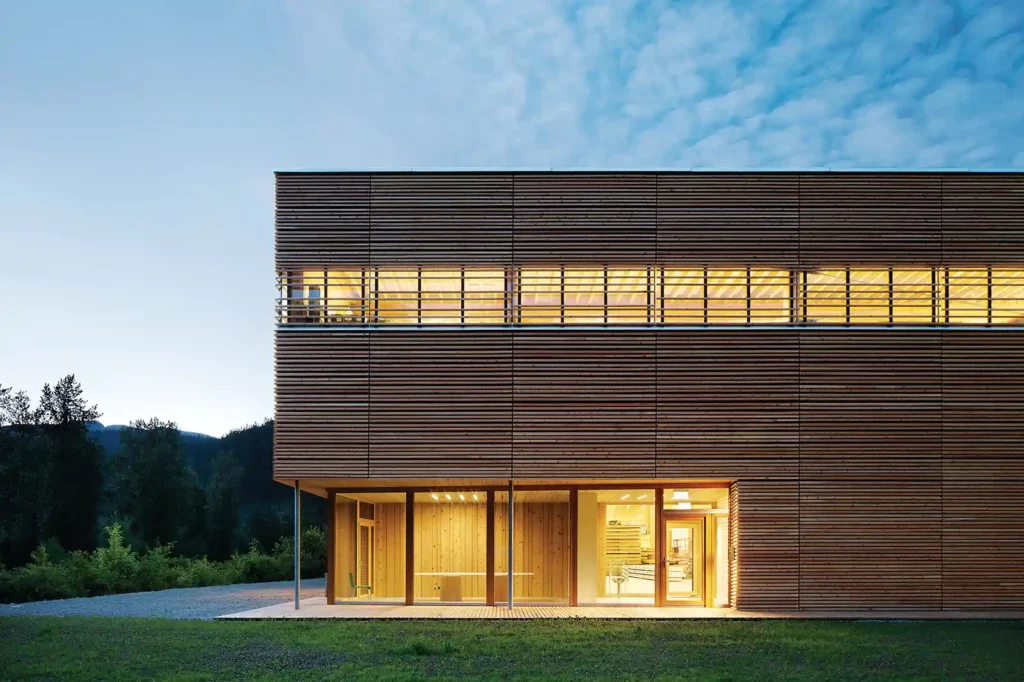

High performance glazing is a critical component in modern, energy-efficient buildings. It not only enhances the aesthetic appeal of a structure but also contributes significantly to its energy efficiency and comfort. In this article, we’ll delve into the advantages of using this advanced glazing technology.
For a deeper understanding of energy-efficient building design, consider reading about resilience in passive house design.
Energy Efficiency and Comfort
One of the most significant advantages of high performance glazing is its contribution to energy efficiency. It reduces heat transfer, keeping interiors warm in winter and cool in summer. This results in lower energy consumption and, consequently, lower utility bills.
Improved Natural Lighting
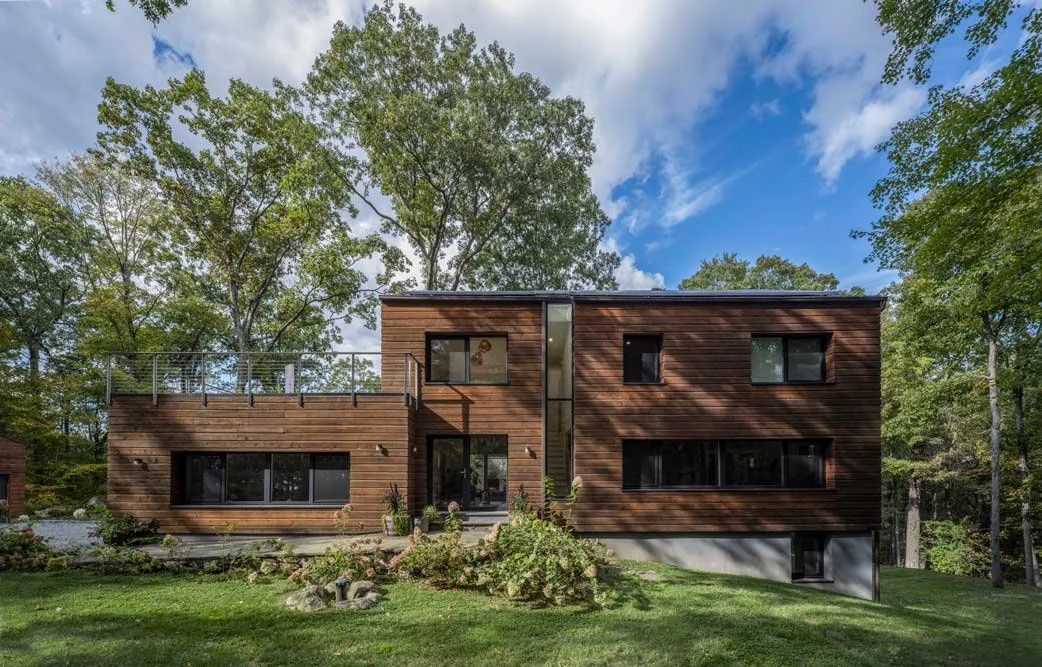
High performance glazing allows more natural light to penetrate the building, enhancing the indoor environment’s quality. Natural light is known to improve mood, productivity, and overall well-being.
Enhanced Building Resilience
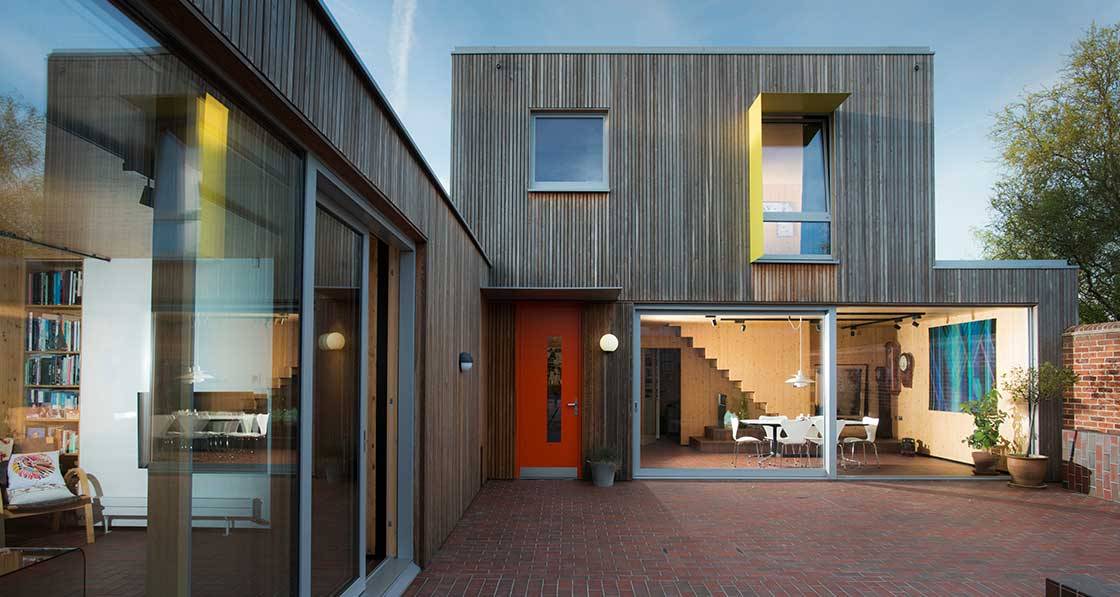
High performance glazing is also more durable than traditional glazing, contributing to the building’s resilience. It can withstand extreme weather conditions, providing a safer and more comfortable living environment. For more information on building resilience, refer to this comprehensive guide.
In conclusion, high performance glazing offers numerous benefits, making it an essential component in modern, energy-efficient buildings. To maximize these benefits, consider integrating advanced technologies such as solar cams beside the glass and solutions to balance airflow and power.