


Proper air circulation in bathrooms is essential for maintaining a healthy, comfortable, and long-lasting living space. Without effective strategies to remove moisture and odors, bathrooms can quickly become breeding grounds for mold, mildew, and structural damage. Understanding bathroom ventilation fundamentals helps homeowners, renovators, and builders create spaces that are both functional and resilient.
This guide explores the core principles of bathroom air movement, the types of systems available, and practical steps for optimizing airflow. Whether you’re upgrading an existing setup or planning a new installation, mastering the basics ensures your bathroom remains fresh and protected from moisture-related issues. For those interested in broader home airflow solutions, resources like basement ventilation methods can provide additional insights.
Why Effective Bathroom Airflow Matters
Bathrooms generate significant moisture from showers, baths, and sinks. If this humidity isn’t managed, it can lead to:
- Mold and mildew growth on walls, ceilings, and fixtures
- Peeling paint and damaged finishes
- Unpleasant odors and lingering dampness
- Potential health risks for occupants
- Structural problems, including rot and weakened materials
Addressing these risks starts with understanding the principles behind bathroom ventilation fundamentals. By ensuring air can move freely and moisture is expelled, you protect both your property and your well-being.
Core Principles of Bathroom Ventilation
At the heart of any successful bathroom airflow system are a few key concepts:
- Exhausting Moist Air: The primary goal is to remove humid air as quickly as possible, especially after bathing or showering.
- Introducing Fresh Air: Bringing in drier, outside air helps balance humidity and prevents stale conditions.
- Continuous or Timed Operation: Some systems run continuously at a low speed, while others are activated by switches, timers, or humidity sensors.
- Proper Sizing: The capacity of fans or vents should match the room size and usage patterns.
These fundamentals apply whether you’re using natural or mechanical solutions. For more on how air moves through homes, see related topics like stack effect ventilation explained.
Types of Bathroom Ventilation Systems
There are several ways to achieve effective airflow in bathrooms. Each method has its advantages and is suited to different layouts and budgets.
Natural Ventilation Options
The simplest approach is to use windows or vents that allow air to flow in and out naturally. This method relies on wind, temperature differences, and the stack effect to move air.

- Windows: Opening a window during and after showers can quickly reduce humidity. However, this is only effective if outdoor conditions allow and privacy or security isn’t compromised.
- Passive Vents: Wall or ceiling vents without fans can help, especially when combined with other airflow strategies.
While natural methods are cost-effective and energy-efficient, they may not provide consistent results in all climates or for bathrooms without exterior walls.
Mechanical Ventilation Solutions
Most modern bathrooms rely on powered exhaust fans to ensure reliable moisture removal. These systems actively draw humid air out and can be tailored to the size and usage of the room.
- Ceiling Exhaust Fans: Installed in the ceiling and vented outside, these are the most common solution. They come in various capacities and noise levels.
- Inline Fans: Mounted remotely (often in the attic) and connected by ductwork, these are quieter and suitable for larger or multiple bathrooms.
- Combination Units: Some fans include built-in lights or heaters for added convenience.
When choosing a fan, look for models rated for bathroom use and ensure they are sized appropriately. For more on optimizing airflow throughout the home, explore cross ventilation techniques.
Moisture Management and Air Quality
Beyond simply removing steam, effective bathroom airflow also improves indoor air quality. High humidity can trap odors, encourage bacteria, and worsen allergies. By keeping moisture in check, you create a healthier environment for everyone in the household.
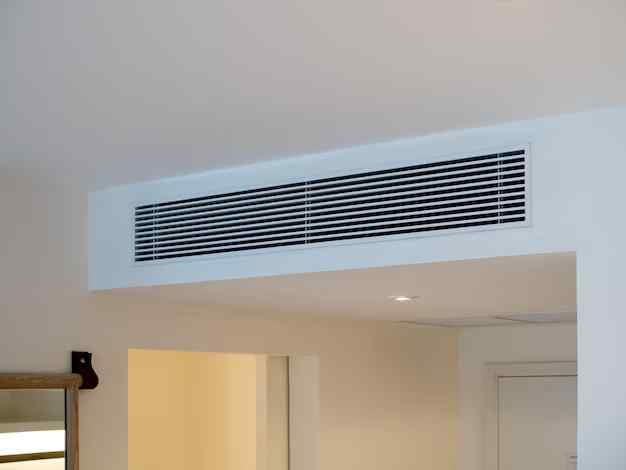
For those seeking advanced solutions, air filtration kits can further improve air quality by capturing dust, allergens, and other particles. This is particularly important in homes with sensitive occupants or in areas with poor outdoor air.
To learn more about the science behind air movement and filtration, visit Daikin’s technical guide to ventilation.
Installation and Maintenance Tips
Getting the most from your bathroom airflow system requires careful installation and regular upkeep. Here are some practical recommendations:
- Correct Placement: Position exhaust fans near the shower or tub for maximum effectiveness, but away from doors or windows to avoid short-circuiting airflow.
- Direct Venting: Always vent exhaust fans to the outdoors, not into attics or crawl spaces, to prevent hidden moisture problems.
- Routine Cleaning: Dust and debris can reduce fan efficiency. Clean grilles and check ducts at least twice a year.
- Check for Backdrafts: Ensure dampers close properly to prevent outside air from entering when the fan is off.
- Upgrade When Needed: Older fans may be underpowered or noisy. Modern, energy-efficient models offer better performance and quieter operation.
For multi-story or compact homes, consider exploring ventilation for multi-story homes or ventilation for small homes for tailored advice.
Frequently Asked Questions
How do I determine the right size exhaust fan for my bathroom?
The recommended fan capacity is measured in cubic feet per minute (CFM). A common guideline is 1 CFM per square foot of floor area. For example, a 60-square-foot bathroom should have a fan rated at least 60 CFM. Larger or heavily used bathrooms may require more powerful units.
Can I rely solely on a window for bathroom ventilation?
While opening a window can help reduce humidity, it may not be sufficient in all climates or during cold weather. Mechanical fans provide consistent, reliable moisture removal regardless of outdoor conditions.
How often should I run the bathroom exhaust fan?
It’s best to run the fan during and for at least 20 minutes after bathing or showering. Some fans come with timers or humidity sensors to automate this process for optimal results.
What are the signs of poor bathroom ventilation?
Common indicators include persistent condensation on mirrors or walls, musty odors, peeling paint, and visible mold or mildew. If you notice these issues, it’s time to assess and upgrade your system.


