Understanding how air moves through your home is essential for maintaining a comfortable and healthy living environment. The principles of airflow in residential spaces are grounded in basic physics, which can help you optimize ventilation, heating, and cooling systems. By grasping these concepts, you can improve energy efficiency and indoor air quality.
Before diving into the specifics, it’s worth noting that airflow dynamics are influenced by factors such as pressure differences, temperature variations, and the design of your home’s ventilation system. For those interested in home improvement projects, understanding these principles can be particularly beneficial. For example, if you’re considering open concept kitchen remodeling ideas, airflow considerations are crucial for ensuring that cooking odors and humidity are effectively managed.
Understanding Air Pressure and Flow
Airflow in homes is primarily driven by pressure differences. Air moves from areas of higher pressure to areas of lower pressure, a principle that can be harnessed to enhance ventilation. This movement is affected by both natural forces, such as wind and temperature differences, and mechanical systems like fans and HVAC units.
Proper ventilation relies on creating a balance between incoming and outgoing air. This balance ensures that fresh air circulates throughout the home while stale air is expelled. An effective way to achieve this is by using strategically placed vents and exhaust fans.
The Role of Temperature in Air Movement
Temperature differences also play a significant role in how air circulates. Warm air tends to rise, while cooler air sinks. This natural convection can be used to your advantage by placing vents and fans in optimal locations to facilitate air movement.
For instance, during the summer, ceiling fans can be used to push warm air down, promoting a cooling effect. In winter, reversing the fan direction helps distribute warm air more evenly, improving heating efficiency.
Optimizing Ventilation Systems
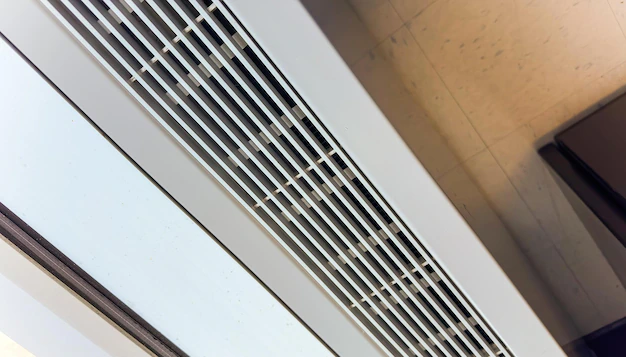
To maximize the efficiency of your home’s ventilation, it’s important to consider the layout and design of your system. This includes the placement of vents, the type of fans used, and the integration of natural ventilation methods.
For more advanced insights into ventilation, you can explore resources like Daikin’s technical knowledge on ventilation. They provide detailed information on how to optimize airflow for different home designs and climates.
Maintaining Air Quality
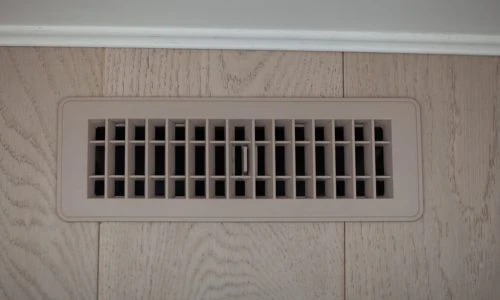
Maintaining good air quality is crucial for health and comfort. Regular maintenance of your HVAC system, including changing filters and cleaning ducts, can significantly improve the air you breathe. Additionally, incorporating air purifiers and plants can help reduce pollutants and allergens.
For those planning home renovations, considering airflow and ventilation from the outset can prevent common kitchen remodeling mistakes to avoid and ensure a more efficient and pleasant living space.
FAQs
What is the importance of airflow in a home?
Proper airflow is essential for maintaining a healthy indoor environment. It helps regulate temperature, removes pollutants, and ensures fresh air circulation, contributing to overall comfort and energy efficiency.
How can I improve airflow in my home?
Improving airflow can be achieved by ensuring vents are unobstructed, using fans strategically, and maintaining your HVAC system. Consider installing additional vents or using natural ventilation methods to enhance air movement.
What are the signs of poor airflow?
Signs of poor airflow include uneven temperatures, excessive humidity, lingering odors, and increased dust accumulation. If you notice these issues, it may be time to assess and improve your home’s ventilation system.