


Proper airflow in lower-level spaces is essential for maintaining a healthy and comfortable home environment. Without effective solutions, basements can become prone to moisture buildup, musty odors, and even mold growth. Understanding the different basement ventilation methods available can help homeowners choose the right approach to improve air quality and protect their property.
This guide will break down the most common strategies for ventilating below-ground spaces, compare their pros and cons, and provide practical advice for selecting and implementing the best system for your needs. If you’re interested in learning how air movement can also help with humidity and condensation, see our article on how ventilation reduces condensation.
Why Basement Airflow Matters
Basements are naturally susceptible to poor air circulation due to their location below ground and limited window access. Stagnant air can lead to a buildup of moisture, which encourages the growth of mold and mildew. Over time, this can damage building materials, create unpleasant odors, and even impact the health of occupants.
Effective ventilation helps to:
- Reduce humidity and condensation
- Prevent mold and mildew growth
- Improve indoor air quality
- Protect stored items and building structure
- Enhance comfort for finished living spaces
For more on how proper airflow can keep your basement mold-free, check out our resource on mold prevention through ventilation.
Overview of Basement Ventilation Methods
There are several approaches to improving airflow in below-ground spaces. The most effective solution often depends on the basement’s size, use, and existing conditions. Here are the primary basement ventilation methods used by homeowners and professionals:
- Natural (passive) ventilation
- Mechanical exhaust and supply systems
- Whole house fans
- Air filtration and purification units
- Heat recovery ventilators (HRVs)
Each approach has unique benefits and limitations. In the following sections, we’ll explore these options in detail to help you make an informed decision.
Natural and Passive Airflow Solutions
Passive ventilation relies on natural forces such as wind and temperature differences to move air in and out of a space. This can include opening windows, installing vents, or using air bricks. While this method is energy-efficient and low-cost, it may not be sufficient for basements with limited window access or in climates with high humidity.
For a deeper dive into how non-mechanical airflow works, see our article on understanding passive ventilation. If your property is in a windy area, you may also benefit from wind-driven ventilation explained.
Pros of Passive Methods
- Low installation and operating costs
- No electricity required
- Quiet operation
Cons of Passive Methods
- Limited effectiveness in sealed or windowless basements
- Weather-dependent performance
- May not sufficiently reduce humidity in damp climates
Mechanical Basement Ventilation Systems
Mechanical solutions use powered fans and ductwork to actively move air in and out of the basement. These systems can include exhaust fans, supply fans, or a combination of both. Mechanical ventilation is often the most reliable way to control air quality and moisture levels, especially in finished basements or those with persistent dampness.

Types of Mechanical Systems
- Exhaust Fans: These remove stale, humid air from the basement and expel it outdoors. They are often installed in the ceiling or wall.
- Supply Fans: These bring fresh air into the basement, which can help dilute pollutants and moisture.
- Balanced Systems: These use both exhaust and supply fans to maintain consistent airflow and pressure.
For an in-depth look at advanced systems that recover heat while ventilating, see our article on mechanical ventilation with heat recovery.
Advantages of Mechanical Approaches
- Consistent and controlled airflow
- Effective moisture and odor removal
- Works in all climates and seasons
- Can be combined with filtration for improved air quality
Potential Drawbacks
- Higher installation and energy costs
- Requires regular maintenance
- Some systems may produce noticeable noise
Whole House Fans and Air Filtration Options
Whole house fans are designed to move large volumes of air quickly, helping to flush out stale basement air and replace it with fresh outdoor air. These are especially useful in milder climates where opening windows is practical. Air filtration kits, on the other hand, can be added to mechanical systems to trap dust, allergens, and other airborne particles, further improving indoor air quality.
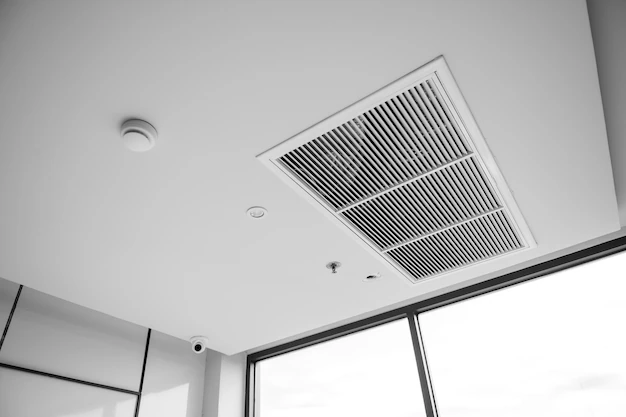
For more details on how these systems work together, you can read about how home ventilation works from a trusted industry source.
Choosing the Right Solution for Your Basement
Selecting the best approach depends on several factors:
- Is your basement finished or unfinished?
- How severe is the moisture or odor problem?
- What is your climate and typical humidity level?
- Do you need to filter allergens or pollutants?
- What is your budget for installation and operation?
In many cases, a combination of methods—such as mechanical fans with air filtration—offers the most reliable results. Regular maintenance, such as cleaning filters and checking for blockages, will also ensure your system continues to perform well over time.
Frequently Asked Questions
What is the most effective way to ventilate a basement?
Mechanical ventilation, such as exhaust or supply fans, is generally the most effective and reliable method for controlling humidity and improving air quality in basements. These systems can be tailored to the size and use of your space, and can be combined with filtration for even better results.
Can passive ventilation alone prevent mold in a basement?
Passive airflow methods can help reduce moisture, but they are often insufficient in basements with limited window access or in humid climates. For mold prevention, especially in finished or frequently damp spaces, mechanical ventilation or a combination of methods is recommended.
How often should basement ventilation systems be maintained?
Most mechanical systems require filter changes or cleaning every few months, and fans or ductwork should be inspected annually for dust buildup or blockages. Regular maintenance ensures optimal performance and extends the life of your equipment.
Are there energy-efficient options for basement ventilation?
Yes, heat recovery ventilators (HRVs) and energy recovery ventilators (ERVs) can provide fresh air while minimizing heat loss, making them a good choice for energy-conscious homeowners.
For more information on how different systems compare, or to learn about condensation control, see our related guides on how ventilation reduces condensation and mechanical ventilation with heat recovery.

