


Creating an airtight environment in buildings is a key step towards achieving energy efficiency and comfort. This guide will provide you with detailed insights into the methods that ensure airtightness in construction projects. From the materials used to the actual installation process, we’ll explore how to make your construction project airtight.
Before diving into the specifics of the installation process, it’s important to understand the concept of airtightness. Airtightness refers to the reduction of air leakage through the building envelope. It’s a crucial aspect of airtight building materials overview.
Understanding the Importance of Airtightness
Airtightness plays a significant role in achieving energy efficiency in buildings. By reducing air leakage, it helps to maintain a consistent indoor temperature, leading to lower energy consumption for heating or cooling. This not only reduces the environmental impact but also results in significant cost savings for the building owners.
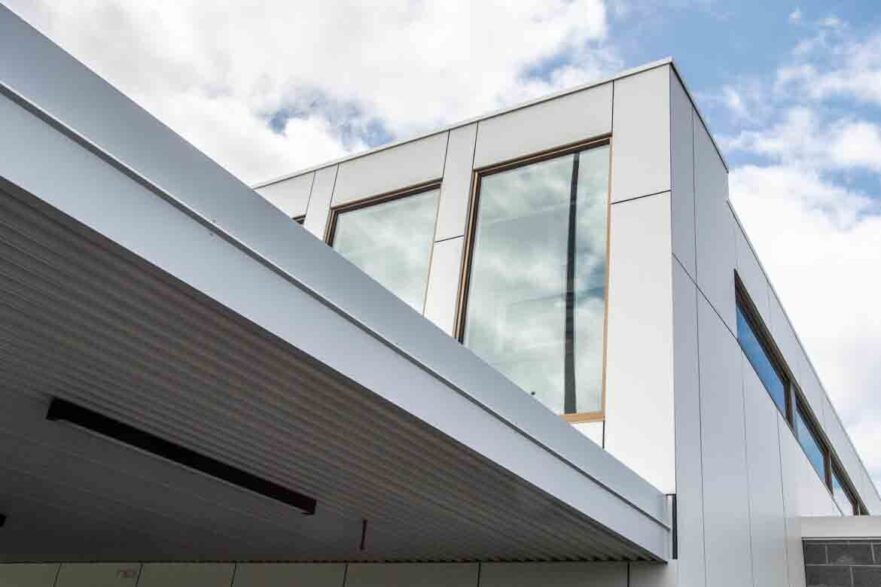
Key Steps in Airtight Installation
Ensuring airtightness involves a series of steps starting from the design phase to the construction phase. These steps include selecting the right materials, proper installation, and thorough testing for air leakage. For more information on passive house design, you can visit this descriptive anchor text.

Final Thoughts
Airtight installation is a complex process that requires careful planning and execution. However, the benefits of airtightness in terms of energy efficiency and comfort make it a worthwhile investment. To secure your long cable neatly during the installation process, you can use this secure long cable neatly. Also, to ensure your project aligns with the best practices in solar design, you can follow these solar design guidelines.


