Indoor air quality is a significant concern for many homeowners and real estate developers. Understanding which factor would increase poor indoor air quality can help mitigate related health risks and ensure comfort within living spaces. In this article, well delve deep into the primary factors that contribute to poor indoor air quality and explore various ways to address these issues.

What is Indoor Air Quality?
First, let’s define indoor air quality (IAQ). IAQ refers to the air quality within and around buildings, particularly as it relates to the health and comfort of building occupants. Poor IAQ can cause various health issues, including respiratory problems, allergic reactions, and even chronic diseases.

Common Factors That Increase Poor Indoor Air Quality
1. Inadequate Ventilation
Insufficient ventilation is one of the leading factors worsening indoor air quality. Without proper airflow, pollutants concentrate in enclosed spaces, causing health problems. It’s crucial to maintain a balance between acquiring fresh air from outside and retaining indoor air conditioning effectiveness.
2. Chemical Pollutants
Among the top contributors to poor indoor air quality are chemical pollutants. This includes Volatile Organic Compounds (VOCs) that emanate from paint, cleaning agents, and other household products. Long-term exposure to VOCs can lead to serious health issues, including respiratory problems and even cancer.

Understanding Biological Pollutants
3. Mold and Mildew
Mold and mildew thrive in humid conditions and can dramatically impact indoor air quality. They release spores into the air, which can cause allergic reactions and respiratory issues. To prevent mold growth, it is essential to control indoor humidity levels and address leaks promptly.
4. Dust Mites and Pet Dander
Dust mites and pet dander are common allergens contributing to poor indoor air. Regular cleaning and the use of air purifiers can significantly reduce their presence.
Impact of Outdoor Pollution on Indoor Air Quality
5. External Pollutants
Outdoor pollutants such as pollen, industrial emissions, and vehicle exhaust can infiltrate homes and degrade air quality. Utilizing air filters and keeping windows closed during high pollution periods can help mitigate these factors.
Human Activities Contributing to Poor Indoor Air Quality
6. Smoking Indoors
Indoor smoking is a major contributor to poor indoor air quality. The smoke contains numerous harmful chemicals, which can linger in the indoor environment long after the cigarette is extinguished.
7. Cooking Emissions
Cooking, especially when frying or grilling, releases particles and gases that can reduce air quality. Using range hoods and ensuring proper ventilation can help manage these emissions.
Role of Building Materials and Furnishings
8. Off-Gassing Materials
Building materials and furnishings often release harmful chemicals into the air, a process known as off-gassing. Choosing low-VOC and non-toxic materials can help minimize this issue.
Technological Solutions to Poor Indoor Air Quality
9. Air Purifiers
Using high-efficiency particulate air (HEPA) filters in air purifiers can significantly improve indoor air quality by capturing fine particles and allergens.
10. Smart Ventilation Systems
Modern ventilation systems with AI-driven controls can optimize air quality by ensuring proper airflow and filtration. These systems can dynamically adjust to changing indoor air conditions.
How to Maintain Optimal Indoor Humidity Levels
11. Dehumidifiers and Humidifiers
Maintaining optimal humidity levels is crucial for indoor air quality. Dehumidifiers and humidifiers can help balance the moisture levels, preventing the growth of mold and fungi.
For more tips on creating a healthy home environment, you can check this guide on recycled building materials and another green construction practices.
Regular Maintenance Practices
12. Routine Cleaning
Regular cleaning of your home helps reduce dust, pet dander, and other pollutants. It’s one of the easiest yet effective ways to maintain good air quality.
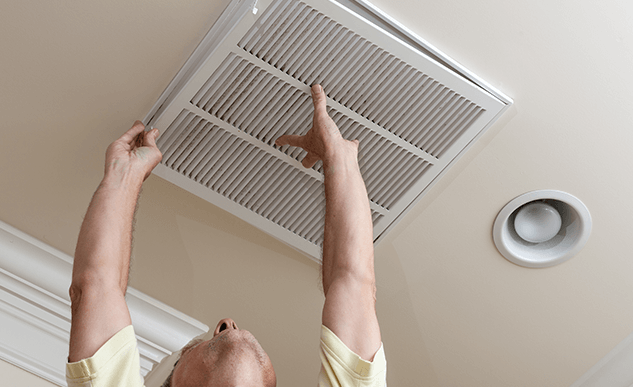
13. HVAC Maintenance
Your heating, ventilation, and air conditioning (HVAC) system plays a crucial role in maintaining indoor air quality. Regular maintenance ensures that the filters are clean and the system is functioning efficiently.
Conclusion
Understanding which factors would increase poor indoor air quality helps homeowners and real estate developers take proactive measures. From ensuring adequate ventilation and using low-VOC materials to deploying advanced air purifiers, there are numerous ways to maintain healthy air quality indoors.
To delve deeper into the subject and understand the mechanics of air quality and how it impacts health, we recommend reading this thorough guide on indoor air quality by CPSC.
FAQ
1. What are the signs of poor indoor air quality?
Common signs include persistent cough, sneezing, watery eyes, fatigue, and allergy symptoms. If multiple people in a household experience these symptoms, it’s likely an air quality issue.
2. How can I improve indoor air quality with plants?
Plants like Boston Fern, Peace Lily, and Spider Plant are known for their air-purifying properties. They can absorb toxins and increase oxygen levels.
3. Are air purifiers effective in improving air quality?
Yes, air purifiers with HEPA filters are effective in capturing fine particles, allergens, and pollutants, significantly improving indoor air quality.
As an Amazon Associate, I earn from qualifying purchases.