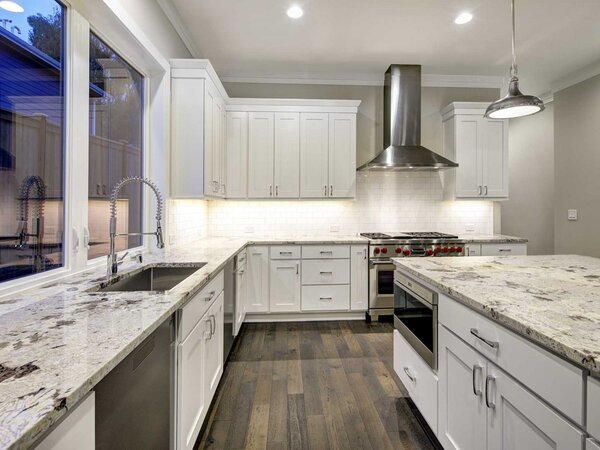
Understanding what are the 5 main factors that affect indoor air quality is crucial for homeowners and real estate developers. Good indoor air quality (IAQ) is essential for a healthy living environment. Poor IAQ can lead to various health issues such as allergies, asthma, and respiratory problems. Therefore, it is important to identify and manage the factors that influence the air quality inside our homes.

The Importance of Indoor Air Quality
Before diving into the five main factors that affect indoor air quality, it’s important to understand why indoor air quality is significant. With people spending a substantial amount of their time indoors, especially at home, the quality of air inside can have a profound impact on health and wellbeing. In fact, the Environmental Protection Agency (EPA) has stated that indoor air can be more polluted than outdoor air.

#1: Ventilation
Overview
Ventilation is the process of introducing fresh air into indoor spaces while removing stale air. Proper ventilation is necessary to dilute indoor contaminants and to control moisture levels, which can otherwise lead to mold growth.
Natural and Mechanical Ventilation
There are two types of ventilation: natural and mechanical. Natural ventilation occurs through windows, doors, and small openings in the building structure. Mechanical ventilation involves the use of fans and HVAC systems to circulate air.
Why Ventilation Matters
Inadequate ventilation can lead to a buildup of indoor air pollutants, such as carbon dioxide, radon, and volatile organic compounds (VOCs). A well-ventilated home can significantly improve indoor air quality by reducing the concentration of these harmful pollutants.

#2: Indoor Pollution Sources
Common Pollutants
Various sources contribute to indoor air pollution. Common pollutants include tobacco smoke, cooking emissions, cleaning products, and building materials. These pollutants can release harmful compounds into the air.
Health Impact of Indoor Pollutants
Exposure to indoor pollutants can cause short-term effects like eye irritation, headaches, and dizziness. Long-term exposure can lead to chronic respiratory diseases, heart disease, and even cancer. Controlling these sources is critical to maintaining a healthier indoor environment.
#3: Humidity Levels
Importance of Humidity
Humidity levels inside the home play a significant role in indoor air quality. High humidity can lead to mold growth and dust mites, which are common allergens. Low humidity can cause dryness and irritation of the respiratory tract.
Optimal Humidity Range
The ideal indoor humidity level ranges between 30% and 50%. Using humidifiers and dehumidifiers can help maintain optimal humidity levels, creating a more comfortable and healthier living environment.
#4: Air Filtration Systems
Role of Air Filters
Air filtration systems are designed to remove particles from the air. They can capture dust, pollen, pet dander, and other allergens, significantly improving indoor air quality.
Types of Air Filters
There are various types of air filters, including HEPA (High-Efficiency Particulate Air) filters, activated carbon filters, and UV filters. Each type has its own unique benefits. Choosing the right air filter can have a tremendous impact on air quality.
#5: Building Materials and Furnishings
Impact of Building Materials
The materials used in construction and furnishing can affect indoor air quality. Some materials release VOCs, formaldehyde, and other harmful chemicals into the air.
Eco-Friendly Alternatives
Using eco-friendly building materials and furnishings can significantly reduce the emission of harmful chemicals. Products labeled as low-VOC or no-VOC are preferable choices.
Tips to Improve Indoor Air Quality
Regular Maintenance
Regular maintenance of HVAC systems and air filters is essential to ensure efficiency and effectiveness. Cleaning and replacing filters regularly can make a big difference.
Houseplants
Certain houseplants like peace lilies and spider plants are known to improve air quality by absorbing toxins and releasing oxygen.
Source Control
Identifying and controlling sources of pollution is key. This can include using natural cleaning products, avoiding tobacco smoke indoors, and choosing low-emission building products.
Conclusion
Understanding what are the 5 main factors that affect indoor air quality can help homeowners and real estate developers create a healthier and more comfortable living environment. By focusing on ventilation, controlling indoor pollution sources, maintaining optimal humidity levels, using effective air filtration systems, and choosing eco-friendly building materials, you can significantly improve indoor air quality.
Internal Resources
External Resources
Frequently Asked Questions
What is the most important factor affecting indoor air quality?
The most important factor is ventilation. Proper ventilation helps to dilute indoor pollutants and regulate humidity levels.
Can houseplants really improve indoor air quality?
Yes, certain houseplants can absorb toxins and release oxygen, thereby improving indoor air quality.
How can I control indoor pollution sources?
Controlling indoor pollution sources involves using natural cleaning products, avoiding tobacco smoke indoors, and choosing low-emission building materials.
As an Amazon Associate, I earn from qualifying purchases.