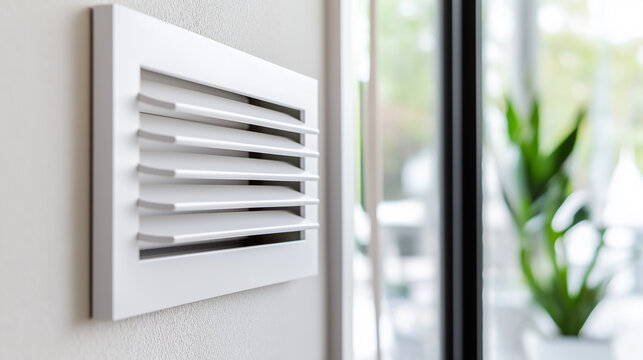
Indoor Air Quality, commonly referred to as IAQ, pertains to the health and comfort of air within buildings. The significance of IAQ is becoming more prominent as we spend a considerable amount of time indoors. For homeowners and real estate developers, understanding how IAQ is defined is pivotal for creating healthy living spaces.
 defined)
Introduction: The Importance of IAQ
Indoor air quality encompasses the air we breathe within homes, offices, and other indoor environments. Unlike outdoor air, which is subject to natural dispersion, indoor air pollutants can accumulate and lead to various health issues over time. Ensuring good IAQ is essential for well-being.

What is Indoor Air Quality (IAQ)?
IAQ refers to the condition of the air within and around buildings. Good IAQ involves the circulation of fresh outdoor air, the reduction of air pollutants, and proper ventilation. It’s a crucial factor in determining the environmental quality of indoor settings.
The Definition of IAQ
The Environmental Protection Agency (EPA) and other health organizations define IAQ as the quality of air in a building, focusing on factors such as levels of pollutants, humidity, ventilation, and exposure to toxins.
 defined)
Key Factors Influencing IAQ
Several factors contribute to the overall quality of indoor air:
1. Ventilation
Effective ventilation helps disperse pollutants and circulate fresh air. Ensuring proper airflow reduces the concentration of indoor contaminants.
2. Pollutant Sources
Common sources of indoor pollutants include tobacco smoke, cooking appliances, building materials, and household products. Identifying and controlling these sources is fundamental for good IAQ.
3. Humidity Levels
Maintaining appropriate humidity levels (30-50%) is essential. Excess moisture can lead to mold growth, while very low humidity can dry out mucous membranes and cause respiratory discomfort.
Health Impacts of Poor IAQ
Poor indoor air quality can lead to numerous health problems:
1. Respiratory Issues
Exposure to indoor pollutants can cause or exacerbate respiratory conditions such as asthma and bronchitis.
2. Allergies
Indoor allergens, including dust mites, pet dander, and pollen, can trigger allergic reactions and degrade overall IAQ.
3. Long-Term Health Effects
Chronic exposure to indoor pollutants is linked to serious health concerns, including cardiovascular disease and cancer.
How to Improve IAQ
Improving IAQ involves several strategies:
1. Regular Cleaning
Keep your home clean to minimize dust and allergen buildup. Vacuum with HEPA filters and use non-toxic cleaning agents.
2. Ventilation Enhancement
Open windows and use exhaust fans to enhance natural ventilation. Proper air exchange is crucial for maintaining good IAQ.
3. Humidity Control
Use dehumidifiers or humidifiers to maintain optimal humidity levels. This helps prevent mold growth and maintains comfort.
IAQ in Real Estate Development
For real estate developers, prioritizing IAQ can enhance property value and occupant satisfaction:
1. Building Design
Incorporating designs that promote natural light and ventilation can significantly improve IAQ.
2. Material Selection
Choose low-VOC (Volatile Organic Compounds) materials to minimize indoor air pollution. Eco-friendly building materials are beneficial for IAQ.
Integrating these practices can provide tremendous benefits not just in terms of health but also in property valuation.
Advanced Technologies for IAQ
Modern technology offers solutions to monitor and improve IAQ:
1. Air Purifiers
Using air purifiers with HEPA filters can effectively reduce airborne pollutants, improving IAQ.
2. Smart Ventilation Systems
Invest in smart ventilation systems that monitor and adjust airflow automatically to maintain optimal air quality.
Moreover, advancements in technology are delighted to provide solutions that resonate with the needs of modern living environments.
Conclusion: The Ongoing importance of IAQ
Understanding how indoor air quality is defined is the first step toward creating healthier indoor environments. Homeowners and developers alike must prioritize IAQ to ensure safe, comfortable living spaces.
FAQs
1. Why is Indoor Air Quality important?
Indoor air quality is crucial for health and comfort. Good IAQ reduces the risk of health problems related to indoor air pollutants.
2. How can I monitor IAQ in my home?
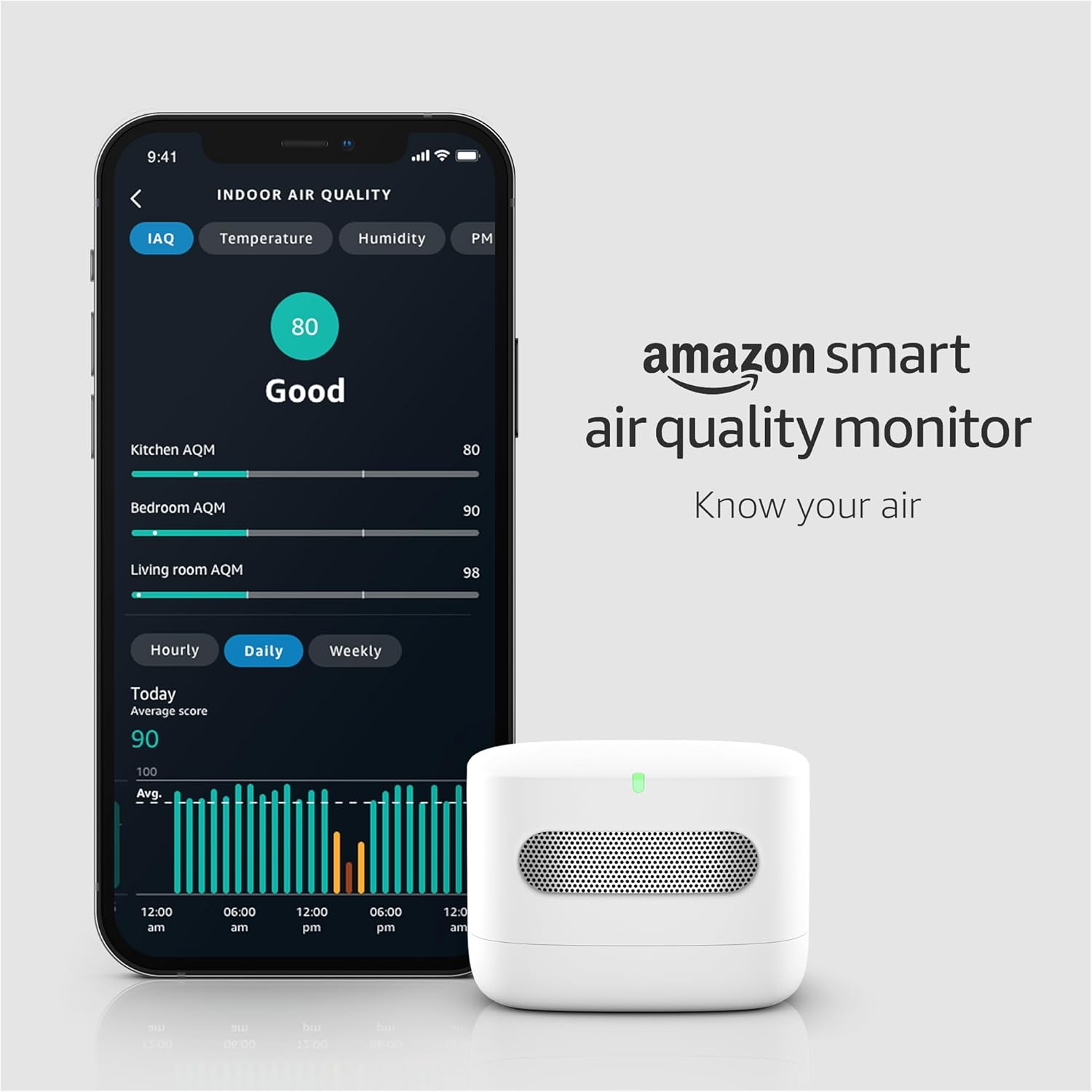
Use IAQ monitors that measure pollutant levels, humidity, and ventilation. Regular monitoring helps maintain good IAQ.
3. What are some common indoor pollutants?
Common indoor pollutants include tobacco smoke, cooking emissions, chemical-laden cleaning products, and mold.
For more information, you can visit Improving Indoor Air Quality and Indoor Air Quality Needs.
As an Amazon Associate, I earn from qualifying purchases.