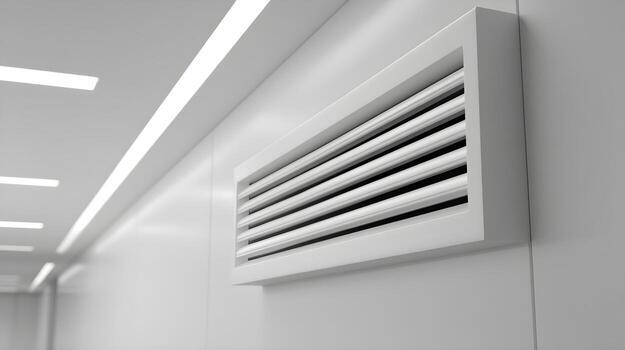

Maintaining healthy indoor air quality is essential for comfort, well-being, and even the structural integrity of your home. As buildings become more airtight for energy efficiency, the need for effective air exchange grows. That’s where whole-house ventilation comes in—a comprehensive approach to circulating fresh air throughout every room, removing stale air, and controlling humidity.
This guide offers a practical overview of how these systems work, the main types available, and how to choose the right solution for your needs. Whether you’re building new, renovating, or simply looking to improve your home’s air quality, understanding the basics of whole-home ventilation is a smart first step.
For a deeper dive into specific system types, you might find our resource on understanding mechanical ventilation helpful as you explore your options.
What Is a Whole-Home Ventilation System?
At its core, a whole-house ventilation system is designed to provide controlled, consistent air exchange throughout the entire living space. Unlike spot solutions (like bathroom fans or kitchen range hoods), these systems ensure that every room benefits from fresh air, not just isolated areas.
The main goals are to:
- Remove indoor pollutants, allergens, and excess moisture
- Bring in filtered, fresh outdoor air
- Balance temperature and humidity for comfort and efficiency
- Protect the building from mold, rot, and condensation
There are several main approaches to achieving these goals, each with its own advantages and considerations.
Types of Whole-House Ventilation Systems
Choosing the right system depends on your climate, home design, and specific needs. Here’s a breakdown of the most common types:
1. Exhaust Ventilation Systems
These systems use one or more fans to expel indoor air, creating negative pressure that draws fresh air in through vents or leaks in the building envelope. They are simple and cost-effective, but can sometimes lead to drafts or pull in unfiltered air.
Learn more about the mechanics in our article on how exhaust ventilation systems work.
2. Supply Ventilation Systems
Supply systems work in the opposite way—fans bring in outdoor air and distribute it throughout the house. This creates positive pressure, which can help keep outdoor pollutants from entering through cracks. However, it may push indoor air (and moisture) into walls if not balanced properly.
For a detailed look at this approach, see how supply ventilation systems work.
3. Balanced Ventilation Systems
Balanced systems use both supply and exhaust fans to move equal amounts of air in and out. This approach provides the most control over air quality and pressure, making it ideal for modern, airtight homes. Many balanced systems also include heat or energy recovery features to minimize energy loss.
Discover more about this option in our guide: what is balanced home ventilation.
4. Natural Ventilation
Some homes rely on natural airflow through windows, vents, and other openings. While this can be effective in mild climates, it’s less reliable for consistent air quality and may not meet modern energy codes.
For more on this topic, check out understanding natural ventilation.
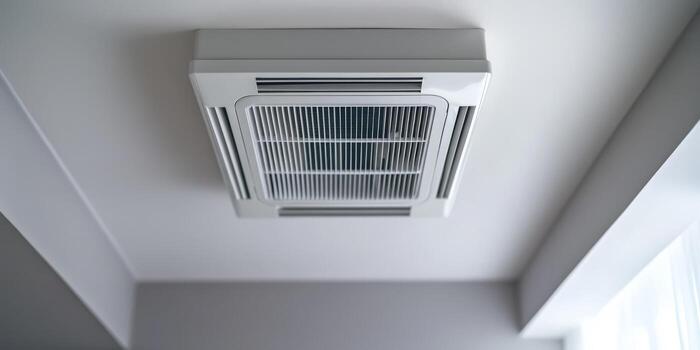
Key Benefits of Comprehensive Home Ventilation
Investing in a whole-home air exchange system offers several important advantages:
- Improved Air Quality: Removes dust, allergens, VOCs, and other pollutants.
- Moisture Control: Reduces condensation, mold growth, and damage to building materials.
- Consistent Comfort: Balances temperature and humidity throughout the house.
- Energy Efficiency: Modern systems with heat or energy recovery minimize heating and cooling losses.
- Healthier Living: Supports respiratory health and overall well-being, especially for sensitive individuals.
How These Systems Work in Practice
The basic principle is straightforward: fresh air is brought in, stale air is exhausted, and the flow is managed to avoid drafts or imbalances. Here’s what typically happens:
- Fans or ventilators draw in outdoor air, often filtered to remove particulates and allergens.
- Air is distributed through ducts or vents to living spaces, bedrooms, and other key areas.
- Exhaust fans remove air from bathrooms, kitchens, and utility rooms where moisture and odors are generated.
- Advanced systems may recover heat or energy from outgoing air, reducing utility costs.
- Controls and sensors can automate operation based on humidity, occupancy, or air quality readings.
For a more technical overview, this guide to home ventilation basics provides additional insights into system design and maintenance.
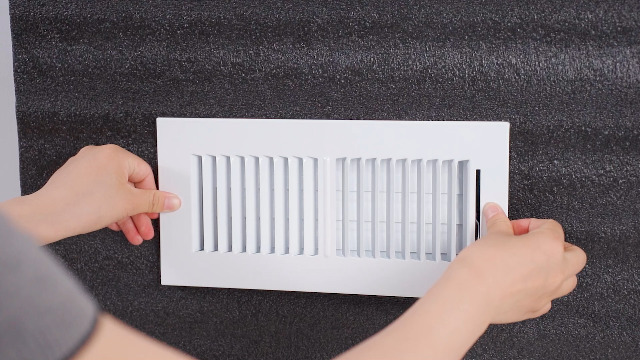
Choosing the Right Ventilation Solution for Your Home
Selecting the best system depends on several factors:
- Climate: Humid, cold, or mixed climates may require different approaches.
- Home Tightness: Newer, airtight homes benefit most from balanced or energy recovery systems.
- Budget: Simple exhaust or supply systems are more affordable, while balanced and recovery systems offer greater performance at a higher cost.
- Existing Infrastructure: Retrofitting may be easier with certain systems, depending on your ductwork and layout.
- Health Needs: Households with allergies, asthma, or chemical sensitivities may prioritize filtration and air quality controls.
Consulting with a qualified HVAC professional can help you assess your home and recommend the most effective solution.
Maintenance and Best Practices
To keep your whole-home air system running efficiently:
- Replace or clean filters regularly to maintain airflow and air quality.
- Inspect fans, ducts, and vents for dust buildup or blockages.
- Check controls and sensors for proper operation.
- Schedule periodic professional inspections, especially for heat or energy recovery units.
- Monitor indoor humidity and adjust settings as needed for comfort and mold prevention.
Frequently Asked Questions
How does a whole-home ventilation system differ from opening windows?
While opening windows can provide some fresh air, it’s inconsistent and depends on weather, wind, and outdoor air quality. A dedicated system ensures controlled, filtered, and balanced air exchange year-round, regardless of outdoor conditions.
Is a balanced ventilation system always the best choice?
Balanced systems offer the most control and efficiency, especially in airtight homes. However, the best choice depends on your climate, budget, and home design. In some cases, supply or exhaust systems may be more practical.
How often should filters be changed in a whole-home ventilation setup?
Most filters should be checked every 1–3 months, but the exact frequency depends on the type of system, filter quality, and local air conditions. Always follow the manufacturer’s recommendations for your specific unit.
Can I install a whole-house ventilation system myself?
Some simpler systems can be installed by experienced DIYers, but balanced and energy recovery systems typically require professional design and installation to ensure safety, efficiency, and code compliance.