


Maintaining the right humidity level is crucial for creating a comfortable and healthy living environment. Many homeowners and real estate developers often ponder: What should humidity be in house? This article aims to delve into this question, providing a comprehensive understanding of why humidity matters, the ideal humidity levels, how to maintain them, and the technology approved for monitoring and controlling humidity in your home.
Why is Humidity Important?
Humidity refers to the amount of moisture present in the air. It significantly impacts indoor air quality, comfort, and health. Too much or too little humidity can lead to various problems, from health issues to structural damage in your home.
High humidity levels can cause mold growth, dust mites, and respiratory problems. Conversely, low humidity can lead to dry skin, irritated respiratory tracts, and damage to wooden furniture and musical instruments.

Ideal Indoor Humidity Level
The ideal indoor humidity level varies depending on the season and personal comfort preferences. Generally, it should be between 30% and 50%. During winter, it can be lower, around 30% to 40%, while in summer, it should be kept between 40% and 50% to provide optimal comfort.
How to Measure Humidity
To ensure your home’s humidity levels remain within the ideal range, use a hygrometer. This small, inexpensive device measures the relative humidity and helps you take necessary actions to adjust it.
Signs of Improper Humidity Levels
Recognizing the signs of improper humidity levels is crucial for maintaining a healthy home environment. Look out for the following:
- Condensation on windows
- Musty odors
- Allergic reactions
- Cracking or warping wooden furniture
Technology Approved for Controlling Humidity
Recent advancements in technology have made controlling indoor humidity more manageable and efficient. Smart humidifiers and dehumidifiers, integrated with home automation systems, allow homeowners to monitor and adjust humidity levels remotely.
Smart Humidifiers
These devices add moisture to the air, helping to maintain desired humidity levels, especially during dry winter months. They can be controlled via smartphone apps, making it easy to adjust settings from anywhere.
Smart Dehumidifiers
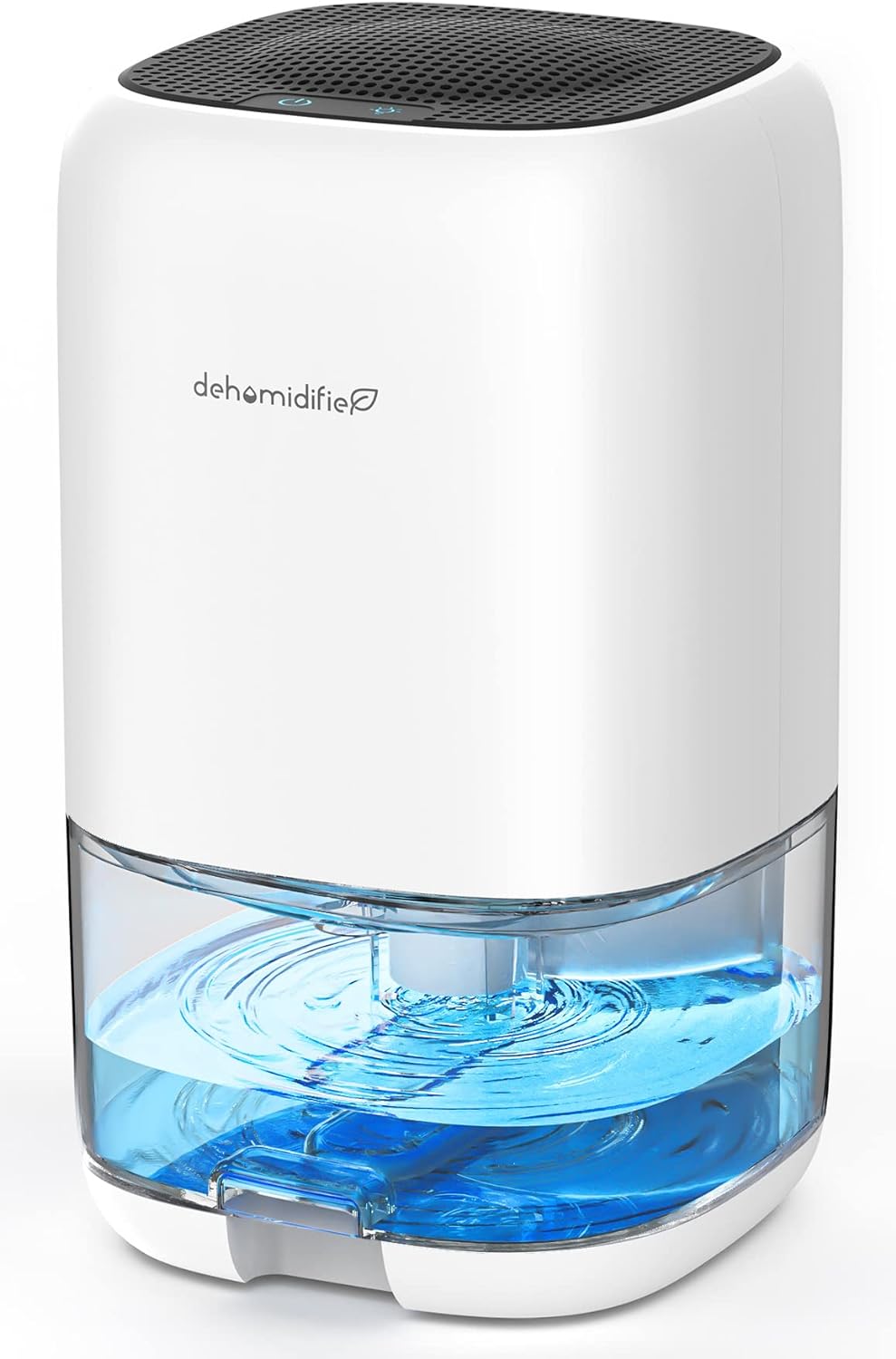
Used to reduce excess moisture, smart dehumidifiers are essential during humid summer months. They also feature remote control capabilities and can be programmed to maintain specific humidity levels automatically.
Steps to Maintain Ideal Humidity
Maintaining the perfect humidity levels in your home requires a combination of good practices and the use of technology. Here are some tips:
- Use exhaust fans in kitchens and bathrooms
- Fix leaks and seal windows and doors
- Install a smart humidifier or dehumidifier
- Monitor humidity levels regularly with a hygrometer
For further information on achieving leed certification and how it relates to managing home humidity, visit leed certification.
Benefits of Maintaining Ideal Humidity Levels
Maintaining ideal humidity levels offers several benefits, including improved air quality, better sleep, and protection for your home’s structure and furnishings. Proper humidity control can also reduce energy costs, as HVAC systems work more efficiently.
Health Benefits
Optimal humidity levels prevent the growth of allergens like mold and dust mites, reducing allergy symptoms and improving overall respiratory health.
Southern Living also provides useful tips for lowering home humidity effectively.
Home Preservation
Maintaining ideal humidity helps preserve wooden furniture, flooring, and musical instruments, preventing cracking and warping.
Common Problems with House Humidity
Several common problems can arise from improper humidity levels:
- High Humidity: Leads to mold growth, dust mites, and respiratory issues.
- Low Humidity: Causes dry skin, irritated respiratory tracts, and damage to wooden furniture.
Addressing High Humidity
Use dehumidifiers, air conditioners, and exhaust fans to reduce moisture levels. Ensure proper ventilation in high-moisture areas like kitchens and bathrooms.
Addressing Low Humidity
Use humidifiers and place water basins in living areas. Investing in plants that add moisture to the air can also help.
FAQs About Home Humidity
What is the ideal humidity level for a home?
The ideal indoor humidity level is between 30% and 50%, depending on the season and personal comfort preferences.
Can high humidity damage my home?
Yes, high humidity can lead to mold growth, damage to wooden furniture and structures, and can affect indoor air quality adversely.
How can I measure my home’s humidity?
You can measure your home’s humidity using a hygrometer. These devices are inexpensive and provide accurate readings.
As an Amazon Associate, I earn from qualifying purchases.
