

HVAC systems play a crucial role in regulating indoor environments, ensuring comfort during various seasons. Homeowners and real estate developers often ask: What are the components of an HVAC system? Understanding these components is essential for maintaining an efficient and functional system.
1. Introduction to HVAC Systems
Heating, Ventilation, and Air Conditioning (HVAC) systems are integral to residential and commercial buildings. These systems help manage temperature, humidity, and air quality, providing a comfortable living and working environment.
2. The Core Components of an HVAC System
Let us delve into the core components of a functional HVAC system:
2.1 Heating Unit
The heating component is responsible for warming up the air. Common types include furnaces and boilers, which can be powered by various fuels such as natural gas, electricity, or oil.
2.2 Ventilation System
Ventilation helps in replacing or exchanging air within a space. It includes air ducts, vents, and exhaust fans, ensuring fresh air circulation and removal of pollutants.
2.3 Air Conditioning Unit
The air conditioning component cools the indoor environment during warm weather. Central air conditioners are popular, often using refrigerants to absorb and remove heat from indoor air.
2.4 Thermostat
The thermostat acts as the system’s control device, maintaining the desired indoor temperature by regulating the operation of the heating and cooling units.
2.5 Ductwork
Ductwork allows the distribution of conditioned air throughout the structure. Properly designed and maintained ducts ensure efficient air flow and energy usage.
3. The Role of Supplemental Components
Several supplementary components enhance the functionality of an HVAC system, contributing to its efficiency and effectiveness.
3.1 Air Filters
Air filters trap dust, pollen, and other particulates, maintaining indoor air quality while protecting the mechanical components of the system.
3.2 Humidifiers and Dehumidifiers
These devices help in managing the indoor humidity levels, ensuring comfort and preventing issues like mold growth.
3.3 Zoning Systems
Zoning systems allow for the heating and cooling of different areas independently, enhancing energy efficiency.
3.4 Energy Recovery Ventilators
They exchange energy between incoming fresh air and outgoing stale air, improving air quality while conserving energy.
4. Importance of Regular Maintenance
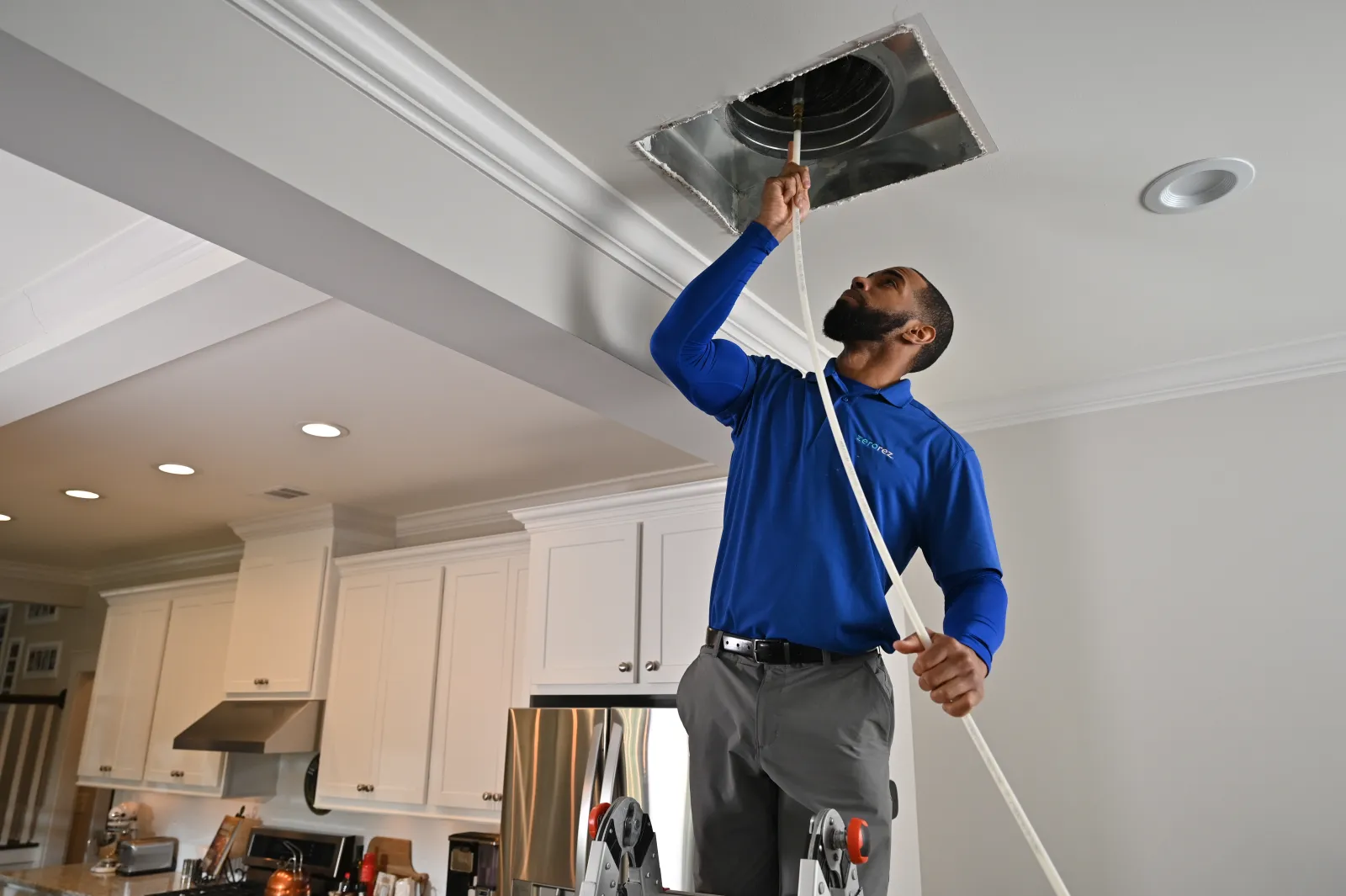
Regular maintenance of an HVAC system is vital for optimal performance and longevity. It includes tasks such as cleaning air ducts, replacing filters, and inspecting system components for wear and tear.
5. Advancements in HVAC Technology
Technology is continually advancing, and it has a significant impact on HVAC systems. Innovations such as smart thermostats, solar-assisted systems, and more efficient heat exchangers are transforming the industry.
6. Benefits of Understanding Your HVAC System
Having a thorough understanding of the components of your HVAC system allows for informed decision-making regarding maintenance, upgrades, and repairs. It also helps in achieving better energy efficiency and cost savings.
7. Practical Advice for Homeowners and Real Estate Developers
- Schedule regular system check-ups and maintenance.
- Explore energy-efficient options for upgrades.
- Consult with professionals for accurate system sizing and installation.
- Educate yourself on the latest in HVAC technology for better property value.
8. External Resources for Further Learning
Find more information on HVAC systems by visiting the EPA’s HVAC page.
9. Internal Resources for HVAC Knowledge
- Learn who is responsible for an HVAC system in a lease on the Organizing Responsibilities.
- Check out Eco-Friendly HVAC Practices.
- Find tips on achieving LEED certification here.
10. FAQ Section
What is an HVAC system?
An HVAC system is a combination of heating, ventilation, and air conditioning components that work together to provide thermal comfort and acceptable indoor air quality.
How does regular maintenance benefit an HVAC system?
Regular maintenance improves efficiency, prevents breakdowns, and extends the lifespan of your HVAC system.
What are some key benefits of smart HVAC technology?
Smart HVAC technology enhances energy efficiency, offers remote control via smartphones, and provides usage insights for better management.

11. Conclusion
Understanding the components of an HVAC system is essential for anyone responsible for the operation and maintenance of these systems. Whether you are a homeowner, a property manager, or a real estate developer, this knowledge provides the foundation for a comfortable, efficient, and modern living environment.
As an Amazon Associate, I earn from qualifying purchases.


