
As homes become more energy efficient and airtight, the importance of proper ventilation requirements in modern homes has grown significantly. Good airflow is essential for maintaining healthy indoor air quality, controlling humidity, and preventing issues like mold growth or lingering odors. Understanding the essentials of home ventilation helps homeowners create a comfortable, safe, and energy-efficient living environment.
This guide explores the key factors that influence ventilation in today’s residences, including regulatory standards, system types, and practical steps for ensuring optimal air exchange. Whether you’re building a new house or upgrading an existing property, knowing how to meet modern airflow needs is crucial for long-term comfort and well-being.
For those interested in construction best practices, you can learn more about ventilation for new home construction to see how airflow is integrated from the ground up.
Why Proper Airflow Matters in Contemporary Houses
Modern building codes and energy standards have led to tighter homes that minimize drafts and heat loss. While this improves efficiency, it also reduces the natural exchange of indoor and outdoor air. Without adequate ventilation, pollutants such as volatile organic compounds (VOCs), carbon dioxide, and moisture can accumulate, leading to health problems and structural damage.
Meeting the ventilation requirements in modern homes is about more than just comfort. It’s about protecting your family’s health, preserving your property, and ensuring that your heating and cooling systems operate efficiently.
Key Standards and Guidelines for Home Ventilation
Regulatory bodies and industry organizations have established minimum airflow rates to ensure healthy indoor environments. In the United States, the American Society of Heating, Refrigerating and Air-Conditioning Engineers (ASHRAE) Standard 62.2 is widely referenced. This standard recommends a minimum continuous ventilation rate based on the number of bedrooms and the size of the home.
| Home Size (sq. ft.) | Bedrooms | Minimum Ventilation Rate (CFM) |
|---|---|---|
| Up to 1,500 | 2 | 30 |
| 1,501–3,000 | 3 | 45 |
| 3,001–4,500 | 4 | 60 |
These rates are designed to dilute indoor contaminants and maintain comfortable humidity levels. Local codes may have additional requirements, so always check with your municipality or a qualified HVAC professional.
Types of Ventilation Systems for Modern Living Spaces
There are several approaches to meeting airflow needs in today’s homes. The right system depends on climate, building design, and personal preferences.
- Natural Ventilation: Relies on windows, vents, and passive airflow. Effective in mild climates but less reliable in tightly sealed homes.
- Exhaust Ventilation: Uses fans (often in bathrooms and kitchens) to remove stale air. This approach can create negative pressure, drawing in fresh air through leaks or dedicated inlets.
- Supply Ventilation: Brings in outdoor air using fans and distributes it throughout the house. Helps filter incoming air and control where fresh air enters.
- Balanced Ventilation: Combines exhaust and supply fans to provide controlled, even airflow. Heat recovery ventilators (HRVs) and energy recovery ventilators (ERVs) are common balanced systems that also help conserve energy.
Essential Features for Meeting Air Quality Needs
To comply with ventilation requirements in modern homes, systems should offer more than just moving air. Here are some features to look for:
- Filtration: High-quality filters remove dust, pollen, and other particulates from incoming air, improving indoor air quality.
- Humidity Control: Proper ventilation helps manage moisture, reducing the risk of mold and dust mites.
- Energy Recovery: HRVs and ERVs transfer heat (and sometimes moisture) between outgoing and incoming air, reducing energy loss.
- Smart Controls: Timers, sensors, and automation can optimize airflow based on occupancy and outdoor conditions.
For a deeper dive into system types, see whole-house ventilation explained for a breakdown of balanced and mechanical options.
Best Practices for Installation and Maintenance
Even the best-designed system won’t perform well without proper installation and regular upkeep. Here are some practical steps to ensure your home meets current airflow standards:
- Work with licensed professionals who understand local codes and best practices.
- Ensure that exhaust fans are vented outdoors, not into attics or crawlspaces.
- Schedule regular filter changes and system inspections to maintain efficiency.
- Balance airflow to avoid pressure imbalances that can draw in contaminants or cause drafts.
- Consider integrating ventilation with your HVAC system for streamlined operation.
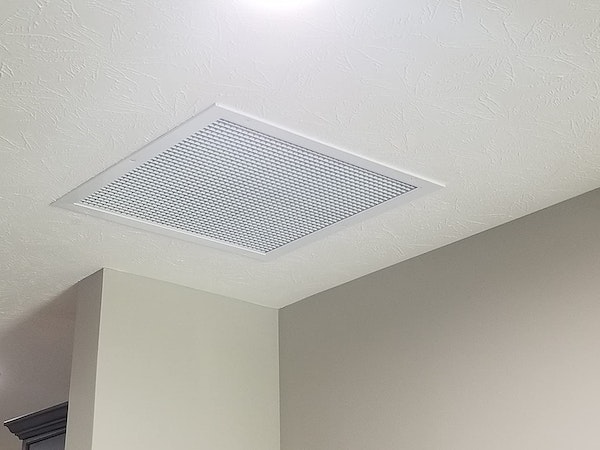
For attic-specific solutions, check out attic ventilation basics and roof ventilation methods to see how these areas impact overall airflow.
Common Challenges and Solutions
Homeowners may encounter several obstacles when trying to meet airflow standards. Common issues include:
- Excess Humidity: Can lead to condensation, mold, and structural damage. Use exhaust fans in bathrooms and kitchens, and consider a whole-house system for persistent moisture.
- Stale Air: If rooms feel stuffy, increase the ventilation rate or check for blocked vents and dirty filters.
- Energy Loss: Older systems may waste energy. Upgrading to an HRV or ERV can improve efficiency while maintaining air quality.
- Noise: Choose quiet fans and consider sound-dampening features if noise is a concern.
For more on the importance of attic airflow, see why attic ventilation matters.
Frequently Asked Questions
How do I know if my home meets current ventilation standards?
The best way is to have a qualified HVAC professional assess your home. They can measure airflow rates and recommend upgrades if your system falls short of ASHRAE or local code requirements.
What are the most energy-efficient ventilation options?
Balanced systems such as heat recovery ventilators (HRVs) and energy recovery ventilators (ERVs) are highly efficient. They exchange heat (and sometimes moisture) between outgoing and incoming air, reducing the load on your heating and cooling systems.
Can I improve ventilation without major renovations?
Yes, you can often enhance airflow by adding or upgrading exhaust fans, using portable air purifiers, or installing window vents. For a more comprehensive solution, consider retrofitting a whole-house ventilation system.
Additional Resources
To learn more about how these systems operate, visit this detailed guide on how home ventilation systems work.
Meeting the latest ventilation requirements in modern homes is essential for health, comfort, and energy efficiency. By understanding the standards, choosing the right system, and maintaining it properly, you can enjoy cleaner air and a better living environment for years to come.