

Efficient air movement is a cornerstone of healthy and comfortable indoor environments. Understanding passive ventilation is essential for homeowners, builders, and anyone interested in sustainable building practices. This approach to airflow uses natural forces—like wind and temperature differences—to circulate fresh air, reduce pollutants, and manage humidity without relying on mechanical systems. By leveraging architectural design and strategic placement of openings, passive ventilation can significantly improve indoor air quality and energy efficiency.
For those looking to deepen their knowledge of related concepts, exploring air quality and ventilation basics provides a solid foundation for making informed decisions about home ventilation solutions.
How Passive Ventilation Works
The core principle behind passive ventilation is harnessing natural forces to move air through a building. Unlike mechanical systems, which use fans or blowers, this method relies on pressure differences created by wind and temperature variations. Openings such as windows, vents, and louvers are strategically placed to facilitate the movement of fresh air in and stale air out.
There are two main driving forces:
- Wind-driven ventilation: Wind pressure pushes air through openings on the windward side of a building, while drawing it out from the leeward side.
- Stack effect: Warm air rises and escapes through higher openings, pulling cooler air in from lower openings to replace it.
By understanding these forces, homeowners and designers can create spaces that naturally regulate airflow, temperature, and humidity.
Key Benefits of Natural Airflow Solutions
Opting for passive methods brings several advantages:
- Energy savings: By reducing reliance on mechanical ventilation, energy consumption and utility costs decrease.
- Improved indoor air quality: Continuous air exchange helps remove pollutants, allergens, and excess moisture.
- Low maintenance: With fewer moving parts, passive systems require less upkeep and have a longer lifespan.
- Sustainability: Utilizing natural forces aligns with green building practices and reduces environmental impact.
These benefits make passive ventilation especially attractive for eco-conscious homeowners and those seeking long-term value.
Essential Components of Passive Ventilation Systems
To achieve effective air movement, several architectural features and building elements are commonly used:
- Operable windows: Placed on opposite sides of a room or building to encourage cross-ventilation.
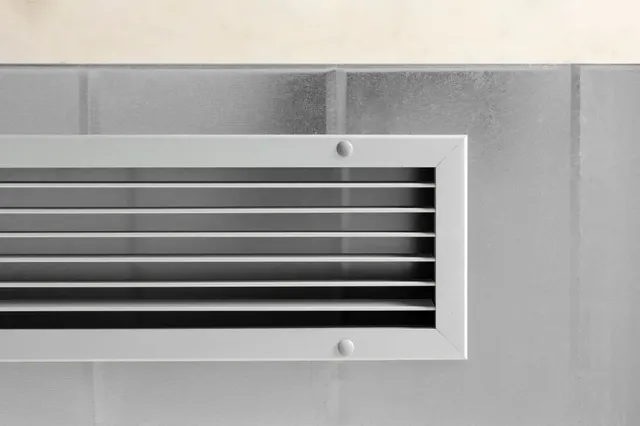
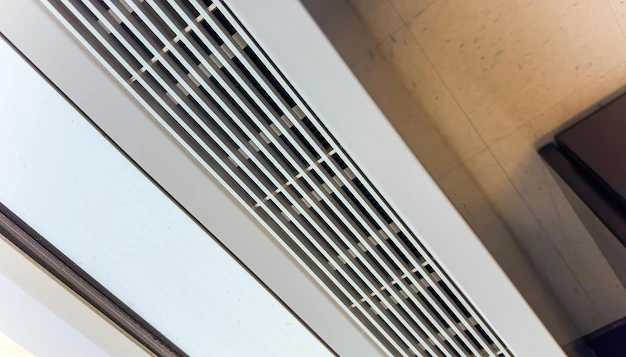
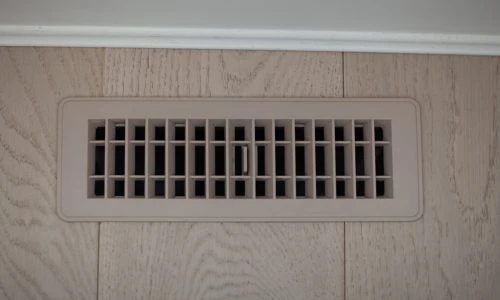
- Vents and grilles: Allow air to flow between rooms and to the outdoors.
- Trickle vents: Small, adjustable openings that provide background ventilation even when windows are closed.
- Ventilation shafts and stacks: Vertical ducts that enhance the stack effect, particularly in multi-story buildings.
- Roof ventilators: Devices installed at the roof level to exhaust warm air and promote upward airflow.
Design Strategies for Effective Passive Ventilation
Achieving optimal results requires thoughtful planning and integration of various design elements. Here are some proven strategies:
- Orientation and placement: Position windows and vents to take advantage of prevailing winds and maximize cross-ventilation.
- Room layout: Arrange spaces to allow unobstructed airflow from one side of the building to the other.
- Use of internal openings: Install transoms, grilles, or open-plan layouts to let air move freely between rooms.
- Stack effect enhancement: Incorporate high-level vents or skylights to promote upward movement of warm air.
- Shading and insulation: Use shading devices and proper insulation to prevent unwanted heat gain while maintaining airflow.
These strategies can be tailored to different climates and building types, ensuring that each space benefits from natural air movement.
Common Challenges and Solutions
While passive ventilation offers many advantages, it also presents certain challenges:
- Weather variability: Wind and temperature differences are not always predictable, which can affect performance.
- Security and privacy: Open windows and vents may pose security risks or reduce privacy.
- Noise intrusion: Outdoor sounds can enter through open pathways.
- Air quality concerns: In areas with poor outdoor air quality, bringing in outside air may introduce pollutants.
Solutions include using secure window locks, acoustic vents, and air filtration kits to address these issues. For more on maintaining balanced indoor environments, the article on indoor air pressure balance explained offers additional insights.
Comparing Passive and Mechanical Ventilation
It’s important to understand the differences between natural and mechanical approaches to air movement. Mechanical systems use powered fans and ducts to control airflow, offering precise control but at the cost of increased energy use and maintenance. Passive systems, on the other hand, are simpler and more sustainable but depend on environmental conditions.
| Aspect | Passive Ventilation | Mechanical Ventilation |
|---|---|---|
| Energy Use | Low | High |
| Control | Limited | Precise |
| Maintenance | Minimal | Regular servicing needed |
| Initial Cost | Lower | Higher |
| Environmental Impact | Low | Moderate to high |
Many modern buildings use a hybrid approach, combining both methods to achieve the best balance of efficiency and comfort. For a technical overview of ventilation technologies, see this comprehensive guide on ventilation systems.
Best Practices for Homeowners
To get the most from passive ventilation, consider these practical tips:
- Open windows and vents during cooler parts of the day to maximize airflow.
- Keep interior doors open or use transfer grilles to allow air movement between rooms.
- Install insect screens and security locks for safety and comfort.
- Regularly clean vents and openings to prevent dust buildup.
- Monitor humidity and indoor air quality, especially in areas prone to moisture or pollution. For more on moisture control, see how moisture affects home ventilation.
Frequently Asked Questions
What is the main advantage of passive ventilation over mechanical systems?
The primary benefit is reduced energy consumption, which leads to lower utility bills and a smaller environmental footprint. Passive systems also require less maintenance and can operate continuously without electricity.
Can passive ventilation be used in all climates?
While it is effective in many regions, performance can vary depending on local weather patterns. In very hot, humid, or polluted environments, supplemental mechanical systems or filtration may be necessary for optimal comfort and safety.
How do I know if my home is well-ventilated?
Signs of good ventilation include minimal condensation on windows, absence of musty odors, and consistent indoor temperatures. If you notice persistent humidity, mold, or stale air, it may be time to assess your ventilation strategy or consult a professional.
Are there any drawbacks to relying solely on passive ventilation?
Yes, reliance on natural forces means airflow can be inconsistent, especially during periods of calm weather. Security, noise, and outdoor air quality are also considerations. Combining passive methods with mechanical backup can address these limitations.
Conclusion
Embracing natural airflow solutions is a practical and sustainable way to maintain a healthy indoor environment. By understanding the principles, benefits, and challenges of passive ventilation, homeowners can make informed choices that enhance comfort, reduce costs, and support environmental responsibility. For further reading, explore topics like humidity and ventilation control and air exchange rates in homes to round out your knowledge of indoor air management.


