
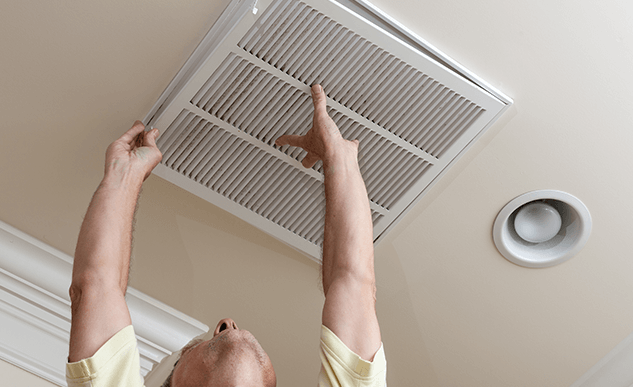

Achieving a healthy and comfortable indoor environment is a priority for every homeowner. One of the most effective and energy-efficient ways to ensure fresh air circulation is through natural ventilation. This approach uses the natural movement of outdoor air to replace indoor air, helping to regulate temperature, reduce humidity, and remove indoor pollutants. By understanding natural ventilation principles, you can make informed decisions about improving air quality and comfort in your living space.
Before diving into practical strategies, it’s helpful to familiarize yourself with the home ventilation basics that underpin every effective system. These fundamentals set the stage for optimizing airflow and ensuring your home remains a pleasant place to live.
What Is Natural Ventilation?
Natural ventilation refers to the process of supplying and removing air from an indoor space without using mechanical systems. Instead, it relies on natural forces such as wind and temperature differences between the inside and outside of a building. Open windows, vents, and architectural features like atriums or skylights are often used to channel fresh air throughout the home.
This method stands in contrast to mechanical ventilation, which uses fans and ductwork. While both have their place, natural airflow solutions offer several unique benefits, especially in terms of energy savings and simplicity.
How Does Natural Ventilation Work?
The effectiveness of this approach depends on two main physical principles: wind-driven ventilation and stack effect.
- Wind-driven ventilation: Air enters and exits through openings (like windows or vents) on opposite sides of a building. Wind pressure pushes air in on the windward side and pulls it out on the leeward side, creating a cross-ventilation effect.
- Stack effect: Warm air inside the home rises and escapes through higher openings, drawing cooler air in from lower openings. This is especially effective in multi-story homes or those with high ceilings.
By strategically placing openings and understanding how air moves, homeowners can maximize the benefits of passive ventilation without relying on energy-consuming equipment.
Benefits of Embracing Passive Airflow in Homes
There are several compelling reasons to prioritize natural ventilation strategies in residential spaces:
- Improved indoor air quality: Regularly exchanging indoor and outdoor air helps remove pollutants, allergens, and moisture, reducing the risk of mold and respiratory issues.
- Energy savings: By relying less on mechanical cooling and ventilation systems, you can lower utility bills and reduce your home’s carbon footprint.
- Enhanced comfort: Proper airflow helps maintain a stable indoor temperature, especially during mild weather, and can prevent stuffiness.
- Low maintenance: With fewer moving parts, passive systems require less upkeep compared to mechanical alternatives.
For a deeper dive into the types of home ventilation systems available, including both passive and active options, explore our detailed guide.
Design Principles for Effective Natural Ventilation
To make the most of natural airflow in your home, consider the following design factors:
- Orientation and placement: Position windows and vents to capture prevailing winds. Cross-ventilation works best when openings are on opposite or adjacent walls.
- Size and type of openings: Larger windows or vents allow more air to flow. Adjustable openings, such as casement windows, offer better control over airflow.
- Obstructions: Avoid placing large furniture or partitions in front of windows and vents, as these can block air movement.
- Stack effect utilization: Incorporate high-level openings (skylights, clerestory windows) to encourage warm air to rise and exit, drawing in cooler air from below.
- Shading and insulation: Use shading devices and proper insulation to prevent unwanted heat gain or loss, ensuring that ventilation works efficiently without compromising comfort.
Practical Tips for Enhancing Airflow Naturally
Even if your home wasn’t originally designed with passive ventilation in mind, there are several steps you can take to boost airflow:
- Open windows strategically: Open windows on opposite sides of a room or house to create a cross-breeze. Adjust openings based on wind direction and outside temperature.
- Use interior doors wisely: Keep doors open to allow air to move freely between rooms.
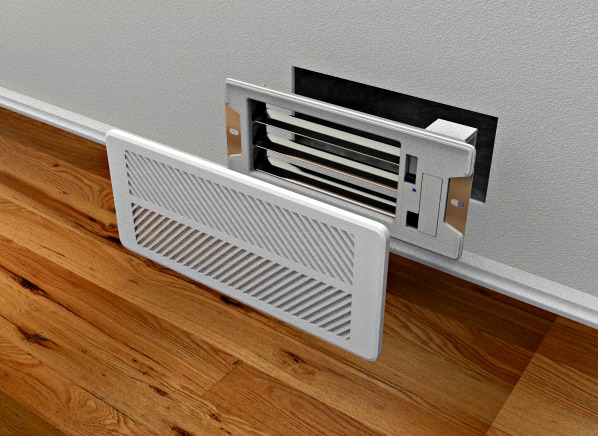
- Install trickle vents: These small, adjustable vents can be fitted to windows or walls to provide a constant supply of fresh air without causing drafts.
- Utilize exhaust fans: In areas like kitchens and bathrooms, exhaust fans can help remove humid or stale air, complementing passive airflow.
- Maintain window and vent screens: Clean screens regularly to prevent dust and debris from blocking airflow.
For more details on how different systems work together, see our article on how home ventilation works.
When to Supplement with Mechanical Systems
While natural methods are highly effective in many climates, there are situations where mechanical systems may be necessary. For example, in areas with extreme temperatures, high humidity, or poor outdoor air quality, relying solely on passive solutions might not provide adequate comfort or safety.
In such cases, combining natural airflow with mechanical aids like whole-house fans, air filtration kits, or ceiling exhaust fans can offer the best of both worlds. These additions can be especially useful during periods of low wind or when outdoor air is less desirable.
For answers to common questions about how home ventilation systems operate, visit this comprehensive FAQ on home ventilation.
Frequently Asked Questions
What are the main advantages of natural ventilation over mechanical systems?
The primary benefits include lower energy consumption, reduced maintenance needs, and improved indoor air quality. Passive airflow also helps maintain a more comfortable and balanced indoor climate without the noise or cost of mechanical equipment.
Can natural ventilation work in all climates?
While it is effective in many regions, its success depends on local climate, building design, and outdoor air quality. In very hot, cold, or polluted environments, it may be necessary to supplement with mechanical systems for optimal results.
How can I tell if my home is well-ventilated?
Signs of good ventilation include minimal condensation on windows, absence of musty odors, and consistent indoor temperatures. If you notice persistent humidity, mold, or stale air, your home may benefit from improved airflow strategies.
Conclusion
Embracing natural ventilation techniques can transform your living environment, making it healthier, more comfortable, and energy-efficient. By understanding airflow principles, optimizing your home’s design, and supplementing with mechanical aids when needed, you can enjoy the many advantages of fresh, circulating air year-round. For further reading on why this topic matters, see our resource on the importance of home ventilation.


