Indoor air quality and comfort are crucial considerations for any building, whether residential or commercial. As homes and workplaces become more airtight for energy efficiency, the need for effective ventilation grows. Understanding mechanical ventilation is essential for anyone looking to maintain a healthy indoor environment, control humidity, and reduce the buildup of pollutants. This guide breaks down the fundamentals, types, and benefits of these systems, helping you make informed decisions about air movement and filtration in your space.
If you’re new to the topic, you might want to start with the basics. For a clear overview of different options, see types of home ventilation systems for a practical introduction.
What Is Mechanical Ventilation?
Mechanical ventilation refers to systems that use powered equipment—such as fans, ducts, and filters—to move air in and out of a building. Unlike natural ventilation, which relies on windows, vents, and passive airflow, mechanical setups provide controlled and consistent air exchange regardless of outdoor conditions. This is especially important in modern, well-insulated buildings where natural airflow is limited.
These systems can be as simple as a single exhaust fan or as complex as a whole-house heat recovery ventilator. The main goal is to ensure a steady supply of fresh air while removing stale, humid, or contaminated air from inside.
Types of Mechanical Ventilation Systems
There are several main categories of mechanical ventilation, each suited to different needs and building types. Here’s a breakdown of the most common options:
- Exhaust-Only Systems: These use fans to remove air from specific areas (like bathrooms or kitchens), relying on passive inlets for replacement air.
- Supply-Only Systems: These bring fresh air in using fans and distribute it throughout the building, with stale air leaving through leaks or passive vents.
- Balanced Systems: These use both supply and exhaust fans to bring in fresh air and remove stale air in equal measure, often with filtration and heat recovery features.
- Energy Recovery Ventilators (ERVs) and Heat Recovery Ventilators (HRVs): These advanced systems exchange heat (and sometimes moisture) between incoming and outgoing air streams, improving energy efficiency.
For a more in-depth explanation of how these systems operate, you can review how home ventilation works.

How Mechanical Ventilation Improves Indoor Air Quality
One of the main reasons for installing mechanical ventilation is to improve indoor air quality. Everyday activities—like cooking, showering, and even breathing—release moisture and pollutants into the air. Without proper ventilation, these can build up, leading to mold growth, dust accumulation, and increased allergens.
By actively exchanging indoor and outdoor air, mechanical systems help control humidity, remove odors, and reduce concentrations of volatile organic compounds (VOCs) and other contaminants. This is especially important for people with allergies, asthma, or other respiratory conditions.
For a broader look at why fresh air matters, see the article on the importance of home ventilation.
Key Components of Mechanical Ventilation
A typical mechanical ventilation system consists of several main parts:
- Fans: The driving force behind air movement, these can be installed in ceilings, walls, or ducts.
- Ductwork: Channels that distribute air throughout the building, often made of metal or flexible plastic.
- Air Filters: Remove dust, pollen, and other particles from incoming air, improving cleanliness and reducing allergens.
- Controls: Timers, sensors, and switches that automate operation based on occupancy, humidity, or air quality.
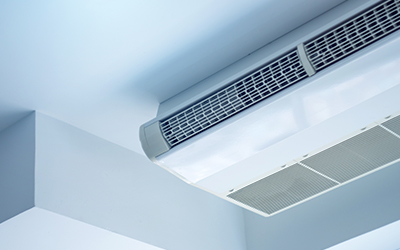
- Vents and Grilles: The visible outlets and inlets for air entering or leaving rooms.
The design and quality of each component can significantly impact the system’s effectiveness and efficiency.
Benefits of Properly Designed Ventilation Systems
Investing in a well-planned mechanical ventilation setup brings several advantages:
- Consistent Airflow: Maintains a steady exchange of air, regardless of weather or occupancy.
- Improved Health: Reduces allergens, mold, and chemical pollutants, supporting better respiratory health.
- Moisture Control: Helps prevent condensation, dampness, and related structural issues.
- Energy Efficiency: Advanced systems like HRVs and ERVs recover heat from outgoing air, lowering heating and cooling costs.
- Odor Removal: Quickly eliminates cooking smells, smoke, and other unwanted odors.
For those interested in eco-friendly solutions, integrating ventilation with sustainable heating systems for passive homes can further enhance comfort and efficiency.
Choosing and Maintaining a Mechanical Ventilation System
Selecting the right system depends on building size, climate, occupancy, and budget. Here are some practical steps:
- Assess Your Needs: Consider the number of occupants, room usage, and any specific air quality concerns.
- Consult Professionals: HVAC specialists can recommend suitable systems and ensure proper sizing and installation.
- Prioritize Efficiency: Look for systems with energy recovery features and high-quality filtration.
- Plan for Maintenance: Regularly clean or replace filters, inspect fans and ducts, and check controls for optimal performance.
For a homeowner’s perspective, this detailed guide to home ventilation systems offers additional insights and practical advice.
Common Challenges and Solutions
While mechanical ventilation offers many benefits, there are some common issues to be aware of:
- Noise: Poorly installed or low-quality fans can generate unwanted sound. Choose quiet models and ensure proper mounting.
- Energy Use: Continuous operation can increase utility bills. Use timers, sensors, or demand-controlled ventilation to optimize run times.
- Maintenance: Neglecting filter changes or duct cleaning can reduce efficiency and air quality. Set reminders for regular upkeep.
- Improper Sizing: Undersized systems may not provide adequate airflow, while oversized ones can waste energy. Always match the system to your building’s needs.
Understanding these challenges helps ensure your system delivers reliable performance and long-term value.
Frequently Asked Questions
How often should I replace filters in a mechanical ventilation system?
Most manufacturers recommend checking filters every 3–6 months and replacing them as needed. In homes with pets, smokers, or high dust levels, more frequent changes may be necessary.
Can mechanical ventilation help with allergies?
Yes, by using quality air filters and maintaining regular airflow, these systems can significantly reduce allergens such as pollen, dust mites, and pet dander indoors.
Is it possible to retrofit mechanical ventilation into an existing home?
Absolutely. Many systems are designed for retrofit applications, though installation complexity and cost will depend on the building’s layout and existing infrastructure.
Conclusion
Gaining a solid grasp of mechanical ventilation principles is key to creating healthier, more comfortable indoor spaces. Whether you’re building new or upgrading an existing property, investing in the right system can improve air quality, energy efficiency, and overall well-being. For foundational knowledge, check out home ventilation basics to further expand your understanding.