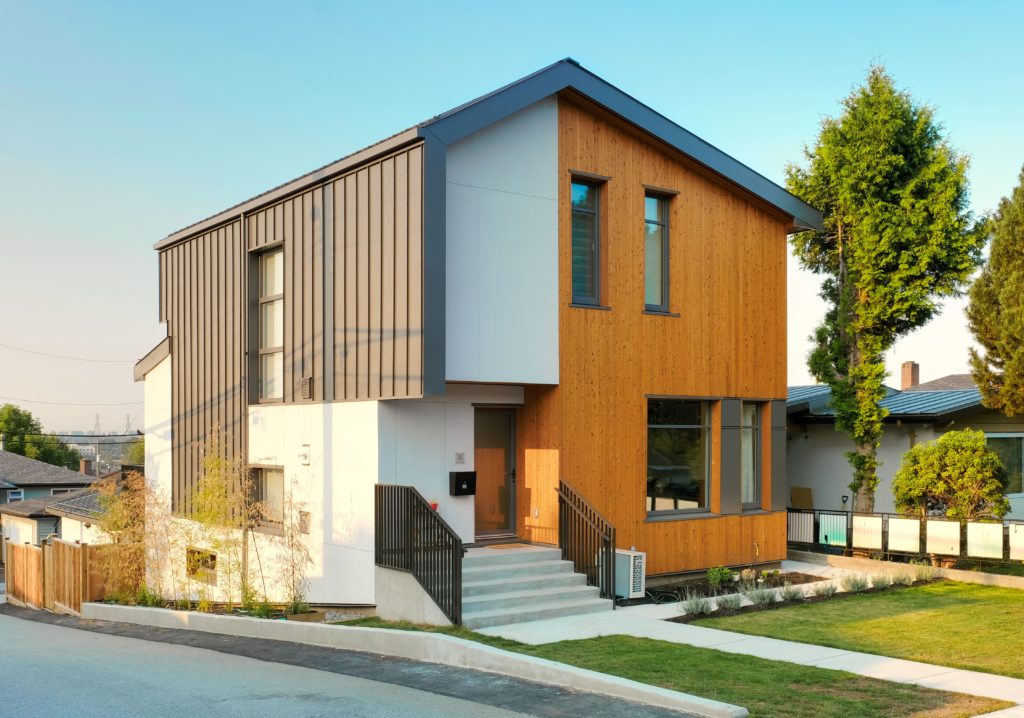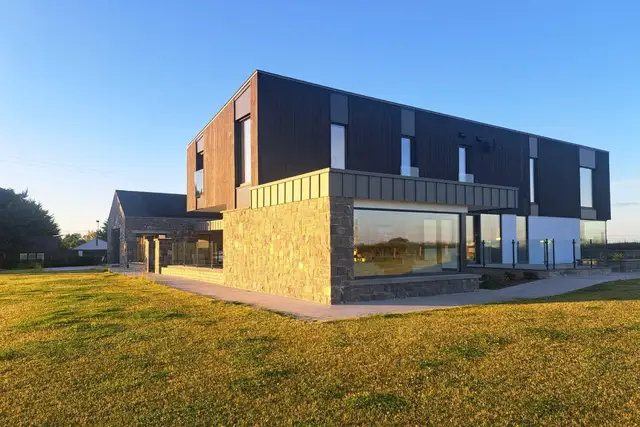

Passive houses are designed to be ultra-energy efficient, reducing the need for active heating and cooling systems. However, even the most well-insulated and airtight homes require some form of heating during colder months. This guide will explore different eco-friendly heating solutions that are ideal for passive homes.
Before diving into the specifics of heating options, it’s worth understanding the principles of passive building design. These homes are built with the goal of achieving a comfortable indoor climate without relying on traditional heating or cooling systems. You can learn more about these principles at the Passive House Institute US.
Understanding Green Heating Options
There are several sustainable heating systems available that can be integrated into a passive house design. These include heat pumps, solar heating, and biomass systems.

Heat Pumps
Heat pumps are a popular choice for passive houses. They work by extracting heat from the outside air, ground, or water and using it to heat the home. They are highly efficient and can provide both heating and cooling.
Solar Heating
Solar heating systems harness the power of the sun to provide heat. They can be used to heat water or air and can significantly reduce energy costs. However, their effectiveness depends on the amount of sunlight available.

Biomass Systems
Biomass systems use organic materials, such as wood pellets or chips, to generate heat. They are a renewable source of energy and can be a cost-effective solution for heating a passive house.
Choosing the Right System
When selecting a heating system for a passive house, it’s important to consider factors such as the local climate, the size and layout of the home, and the availability of renewable resources. Consulting with a professional can help you make an informed decision.
If you’re interested in learning more about how solar complements low energy heat, or want to show detailed energy solutions, these resources can provide additional information.