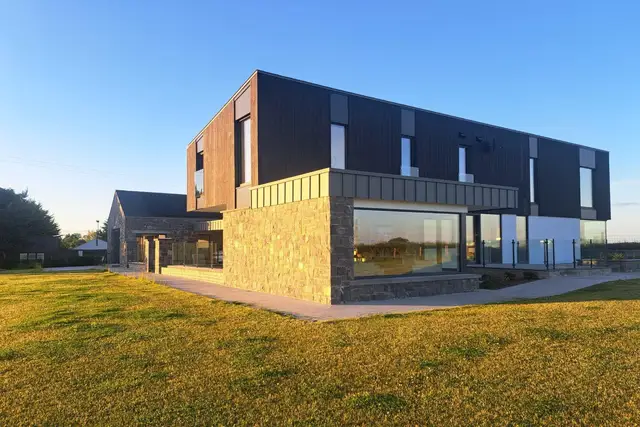

The design of a passive house slab is a critical aspect of energy-efficient construction. This guide will delve into the principles and benefits of this approach, as well as provide practical tips on how to implement it.
Before we delve into the specifics, it’s important to understand the broader context of passive design in modern architecture.
Principles of Passive House Slab Design
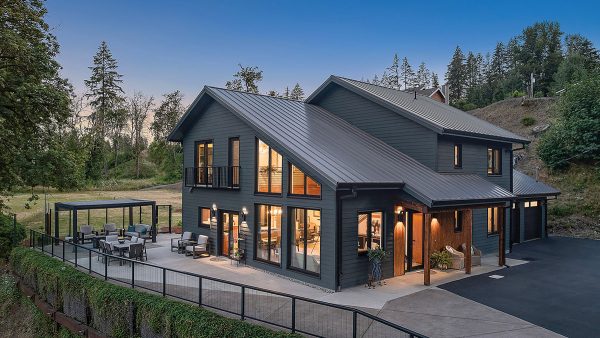
The principles of this design approach are rooted in maximizing energy efficiency and minimizing heat loss. This is achieved through a combination of high-quality insulation, airtight construction, and strategic placement of the slab.
Benefits of Energy-Efficient Slab Design
Implementing these design principles can result in significant energy savings, improved indoor air quality, and a more comfortable living environment. This is due to the slab’s ability to store and release heat, reducing the need for artificial heating and cooling.
Implementing Passive House Slab Design
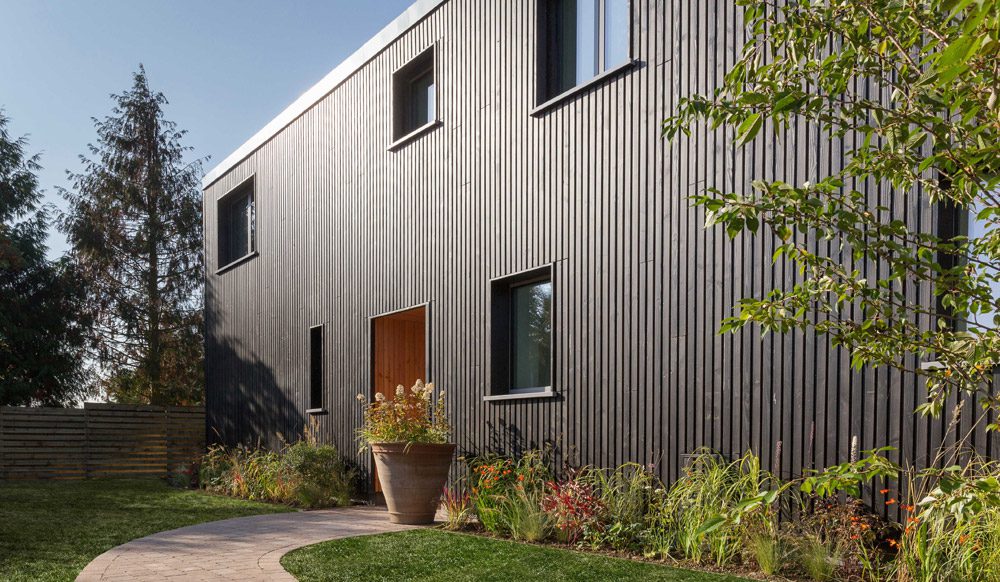
Implementing this design approach requires careful planning and execution. It’s important to work with a knowledgeable team who can guide you through the process and ensure all aspects of the design are optimized for energy efficiency. For more information on the principles of passive building, you can visit this comprehensive guide.
To further enhance the energy efficiency of your home, consider how a solar panel fits exterior designs and how to insulate roofs effectively.