
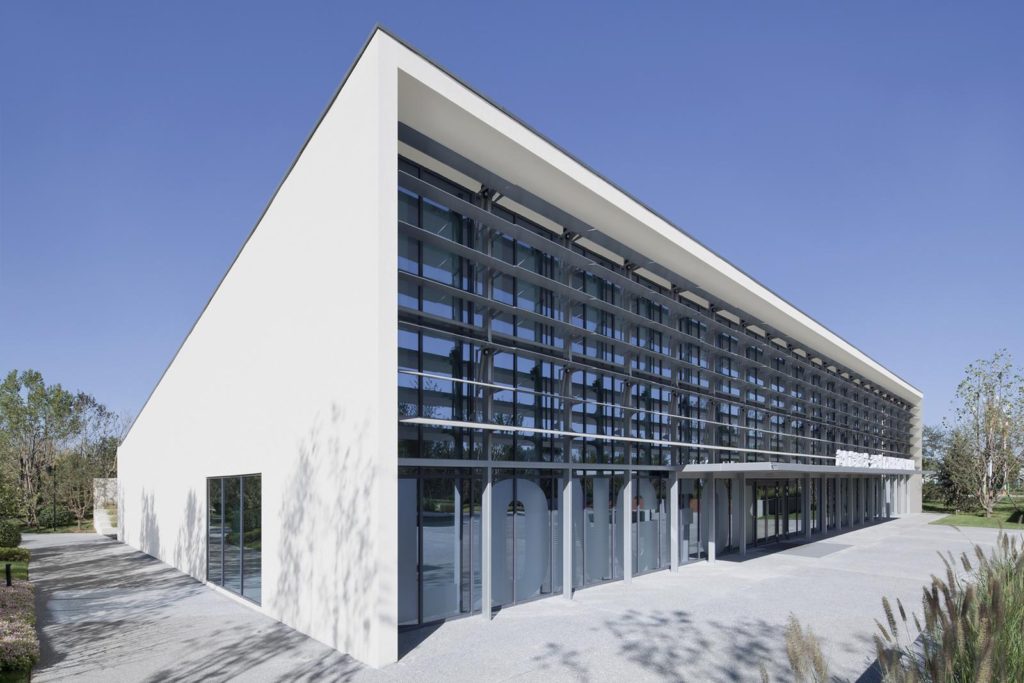

As urbanization continues to rise, the need for sustainable architectural solutions has become more pressing than ever. One such solution is the concept of passive building design. This guide will delve into the principles of this design strategy, its benefits, and how it can be applied to urban buildings.
Before we dive into the details, it would be helpful to understand what passive design actually is. It is an approach to building design that utilizes natural sources of heating, cooling, and lighting to reduce or eliminate the need for mechanical systems. The result is a building that is not only energy-efficient but also comfortable and healthy for its occupants.
Low Carbon Building Design is a related topic that further explores sustainable architectural solutions.
Key Principles of Passive Design
The principles of passive design are rooted in harnessing natural resources. Here are the key principles:
- Optimal Orientation: Buildings are positioned to make the most of natural light and heat.
- Insulation: Proper insulation minimizes heat loss and gain.
- Thermal Mass: Materials with high thermal mass absorb, store, and release heat.
- Ventilation: Natural ventilation is used to cool the building and improve indoor air quality.
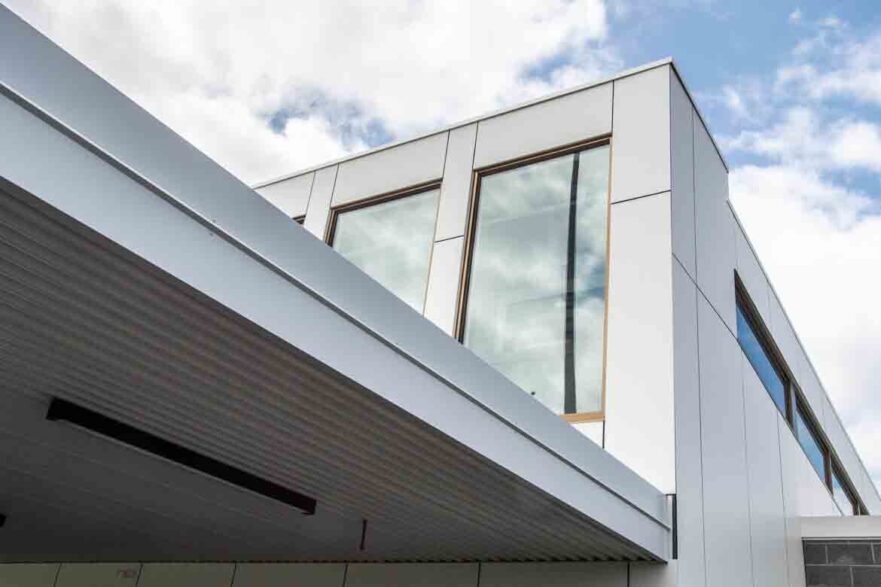
Benefits of Passive Design in Urban Buildings
Implementing passive design in urban buildings can yield numerous benefits. These include:
- Energy Efficiency: Reduced reliance on mechanical systems leads to lower energy consumption.
- Comfort: Passive design creates a comfortable indoor environment.
- Sustainability: Lower energy consumption means less carbon emissions.
- Cost Savings: Lower energy bills result in significant cost savings over time.
For more detailed information on passive design, you can check out this resource on passive house.
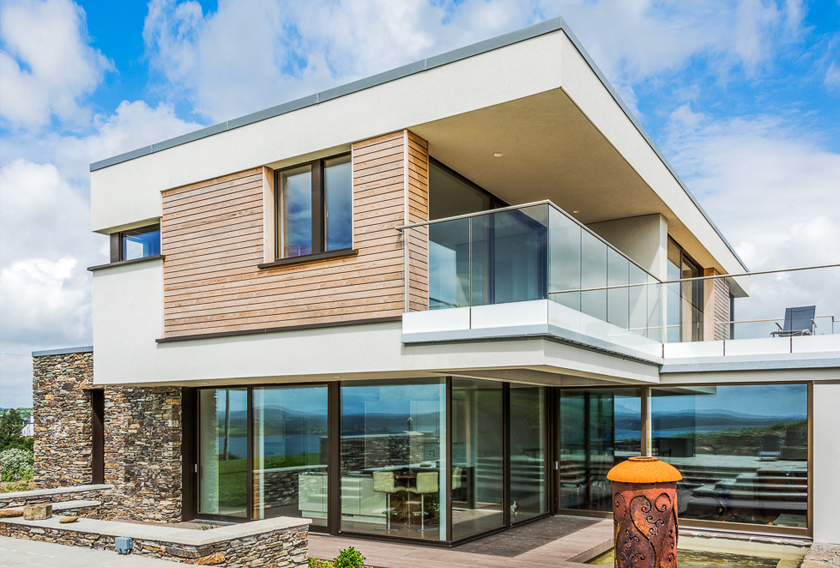
Implementing Passive Design in Urban Buildings
Implementing passive design in urban buildings requires careful planning and design. Here are some steps to consider:
- Site Analysis: Understand the site’s climate and orientation.
- Design: Incorporate passive design principles into the building design.
- Construction: Use appropriate materials and construction methods.
- Evaluation: Monitor the building’s performance and make necessary adjustments.
To aid in your passive design implementation, consider these tools: a solar cam for tight spaces and a device to strengthen air barriers.

