
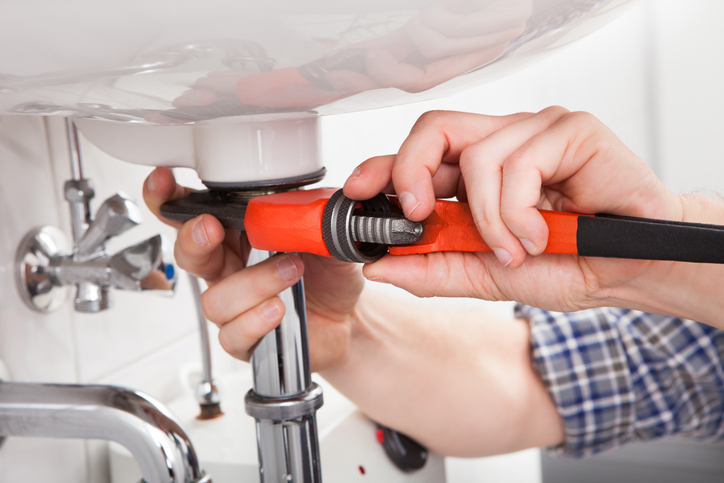

Creating an efficient and reliable outdoor plumbing setup for a new home is crucial for homeowners and real estate developers. Whether you’re watering the garden, installing a pool, or setting up an outdoor kitchen, a well-planned plumbing system is key to ensuring everything runs smoothly. In this guide, we will explore the essential aspects of planning, designing, and implementing an outdoor plumbing system for your new home.
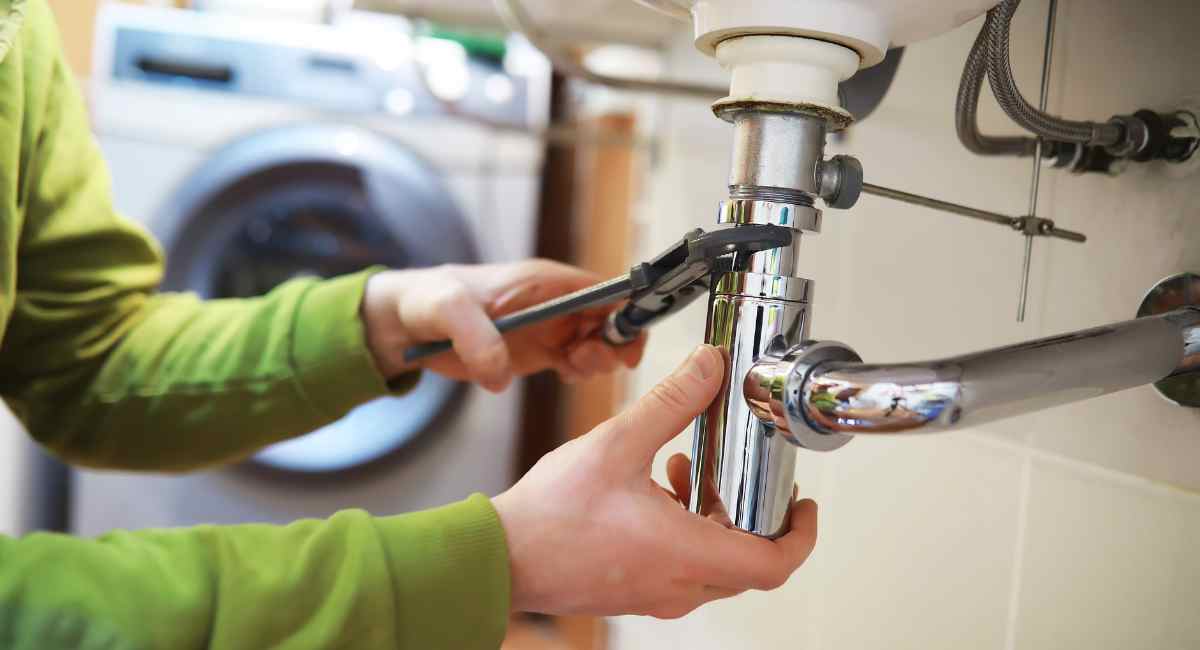
Understanding the Basics of Outdoor Plumbing
The first step in establishing an efficient outdoor plumbing setup is understanding the basics of plumbing. This knowledge will help you make informed decisions regarding the design and installation of your system. You can learn more about the basics of plumbing by visiting HowStuffWorks.
Components of an Outdoor Plumbing System
An outdoor plumbing system typically consists of various components, including pipes, faucets, valves, and drainage systems. Each of these components plays a vital role in ensuring the efficient flow of water to different areas of your property.
Choosing the Right Materials
When planning your outdoor plumbing setup, it’s essential to choose the right materials for your pipes and fittings. Opt for materials that can withstand weather conditions and provide durability over time. Common materials include PVC, copper, and stainless steel.
Planning Your Outdoor Plumbing System
Planning is a crucial step in setting up an effective outdoor plumbing system. Consider factors such as the layout of your property, the intended use of the plumbing system, and any future expansion plans. For more insights on planning and plumbing requirements, check out Plumbing Requirements.
Determining Water Sources
Identify the sources of water for your outdoor plumbing system. This could be the main water supply line or alternative sources such as rainwater harvesting systems or wells.
Designing the Layout
Designing an efficient layout is essential for ensuring that water reaches all necessary areas while minimizing water wastage. Consider the placement of faucets, sprinklers, and other fixtures when designing your layout.
Installation of Outdoor Plumbing
Once you have planned your outdoor plumbing setup, it’s time to move on to installation. Hiring a professional plumber is often recommended to ensure proper installation and adherence to local codes and regulations.
Trenching and Laying Pipes
Trenching is the process of digging trenches for laying pipes. Ensure that trenches are of adequate depth to protect pipes from freezing and damage. Properly laying pipes is crucial for maintaining water flow and preventing leaks.
Installing Fixtures and Faucets
The installation of fixtures and faucets should be done carefully to ensure they are secure and functional. Choose fixtures that are designed for outdoor use, as they are more resistant to weather conditions.
Maintaining Your Outdoor Plumbing System
Regular maintenance is essential for keeping your outdoor plumbing system in good working condition. This includes checking for leaks, clearing blockages, and inspecting fixtures for wear and tear. For more DIY tips, visit DIY Plumbing.
Winterizing Your System
In colder climates, it’s important to winterize your outdoor plumbing system to prevent pipes from freezing and bursting. This may involve draining water from pipes, adding insulation, and shutting off water supply to outdoor faucets.
Regular Inspections
Conduct regular inspections to identify any potential issues with your plumbing system. Addressing problems early can prevent costly repairs down the line.
FAQs
What is the best material for outdoor plumbing pipes?
The best material for outdoor plumbing pipes depends on your specific needs and environmental conditions. Common choices include PVC, copper, and stainless steel.
How often should I inspect my outdoor plumbing system?
It’s recommended to inspect your outdoor plumbing system at least twice a year, ideally in the spring and fall, to ensure it’s in good working condition.
Can I install an outdoor plumbing system myself?
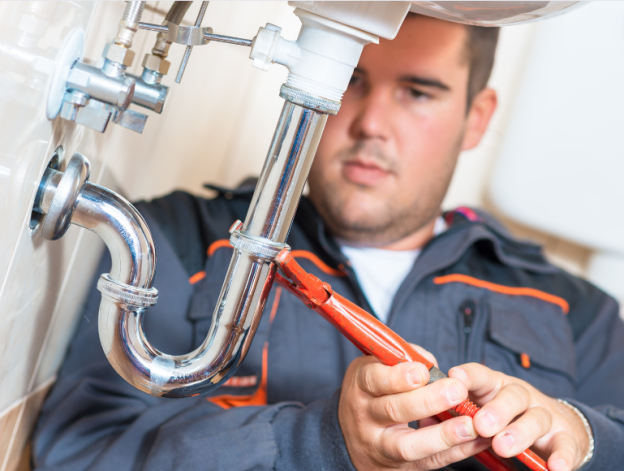
While some DIY enthusiasts may choose to install an outdoor plumbing system themselves, it’s often best to hire a professional plumber to ensure proper installation and compliance with local codes.
For more information on plumbing and outdoor setups, consider checking out additional resources and expert advice. Visiting sites like Angi can provide valuable insights and tips for your new home’s plumbing setup.
This article contains affiliate links. We may earn a commission at no extra cost to you.


