
As businesses invest in new workspaces or renovate existing ones, office buildout security planning becomes a critical part of the process. Modern commercial offices require more than just attractive interiors and functional layouts—they must also provide a safe, secure environment for employees, visitors, and valuable assets. Effective security integration during a buildout can help prevent costly retrofits, ensure regulatory compliance, and support business continuity.
This guide explores the essential considerations and best practices for integrating robust security measures into your next office project. From physical barriers to digital access controls, we’ll cover the elements that matter most for today’s workplaces. For those also considering workspace functionality, you may find our office buildout furniture selection guide helpful as a complementary resource.
Why Security Should Be Central in Office Buildout Projects
Security is often overlooked until after construction, but integrating it into the initial design phase saves time, money, and resources. Early office buildout security planning allows for seamless installation of wiring, hardware, and surveillance systems, minimizing disruptions and ensuring that every aspect of the workspace supports your safety objectives.
A proactive approach also helps businesses comply with legal requirements, industry standards, and insurance policies. By considering both physical and digital security needs from the outset, companies can create an environment that protects people, property, and sensitive information.
Key Elements of a Secure Office Environment
Comprehensive security for commercial offices involves a blend of physical, electronic, and procedural measures. Here are the main components to address during your buildout:
- Access Control Systems: Electronic badge readers, biometric scanners, and smart locks help manage who can enter different areas of the office.
- Surveillance Cameras: Strategically placed CCTV cameras deter unauthorized activity and provide valuable evidence in case of incidents.
- Physical Barriers: Secure entry doors, partition walls, and reinforced windows restrict access and protect sensitive zones.
- Alarm Systems: Intrusion detection, panic buttons, and fire alarms are essential for rapid response to emergencies.
- Visitor Management: Digital sign-in systems and reception protocols help monitor and control guest access.
- IT Infrastructure Security: Server rooms, network closets, and Wi-Fi access points should be physically secured and monitored.
Integrating Security with Workspace Design
Balancing aesthetics, functionality, and protection is a core challenge in security planning for office buildouts. Collaboration between architects, facility managers, and security consultants ensures that protective features do not disrupt workflow or create an unwelcoming atmosphere.
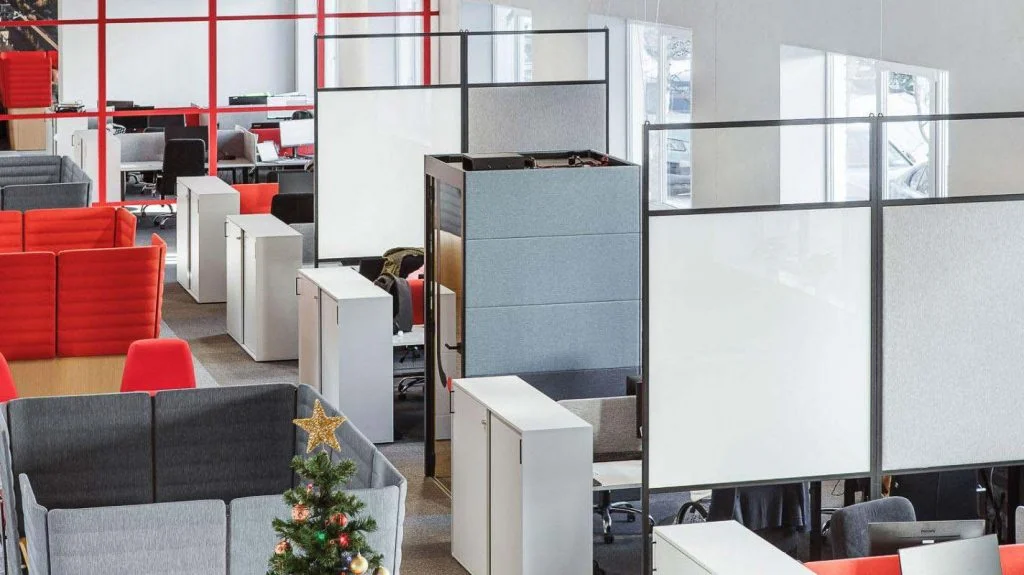
For example, glass partitions can be treated with security film to resist break-ins without sacrificing transparency. Meeting rooms and executive offices may require additional soundproofing and access restrictions—see our office buildout soundproofing tips for privacy considerations. Integrating security hardware into the design phase also allows for concealed wiring and discreet camera placement, preserving the office’s clean look.
Common Security Risks in Commercial Office Buildouts
Identifying potential vulnerabilities before construction begins is essential. Some of the most common risks include:
- Unsecured Entry Points: Side doors, loading docks, and emergency exits can be exploited if not properly monitored or reinforced.
- Poor Visibility: Blind spots in hallways or parking areas increase the risk of unauthorized activity.
- Inadequate IT Room Protection: Server and telecom rooms are frequent targets for theft or sabotage.
- Insufficient Visitor Controls: Without a robust check-in process, unauthorized individuals may gain access to sensitive areas.
- Lack of Employee Training: Even the best systems can be undermined by staff who are unaware of security protocols.
Addressing these issues during the planning stage helps prevent costly mistakes and ensures that your new office meets both operational and safety requirements.
Best Practices for Effective Security Integration
To ensure comprehensive protection, consider these best practices when planning your office buildout:
- Start Early: Involve security experts in the initial design meetings to identify needs and avoid costly changes later.
- Conduct a Risk Assessment: Evaluate your organization’s unique threats and vulnerabilities to prioritize security investments.
- Layer Security Measures: Combine physical, electronic, and procedural controls for a multi-faceted defense.
- Plan for Scalability: Choose systems that can grow with your business, accommodating new employees or expanded office space.
- Document Policies and Procedures: Clearly outline access rules, emergency protocols, and employee responsibilities.
- Test and Review: Regularly audit your security systems and update them as threats evolve.
For a deeper understanding of how buildouts are defined and managed in commercial real estate, see this comprehensive explanation of office buildouts.
Coordinating Security with Other Office Features
Security should not be considered in isolation. It’s important to coordinate with other aspects of your office project, such as hybrid workspace design and workstation layout. For example, open-plan offices may require additional surveillance and access controls, while conference rooms might need specialized entry systems.
Collaboration between security consultants, IT teams, and interior designers ensures that all systems work together seamlessly. This holistic approach supports productivity, compliance, and peace of mind for everyone using the space.
FAQ: Security Planning for Office Buildouts
What are the most important security features to include in a new office buildout?
The most critical features are access control systems, surveillance cameras, secure entry points, alarm systems, and robust visitor management. Depending on your business needs, you may also need specialized protections for IT infrastructure and sensitive work areas.
How early should security be considered in the office buildout process?
Security should be addressed from the very beginning—ideally during the initial planning and design phase. Early integration allows for efficient installation and ensures that security features are built into the office’s infrastructure, reducing the need for disruptive retrofits.
Can security systems be added after construction is complete?
While it’s possible to retrofit security systems, it is often more expensive and less effective than planning for them from the start. Retrofitting may require additional wiring, hardware modifications, or even structural changes. Early planning is always recommended for optimal results.
How can security be balanced with office aesthetics?
By working closely with architects and interior designers, security elements can be integrated discreetly. For example, cameras and access controls can be concealed within design features, and security films can be applied to glass without altering the look of the space.
Are there legal requirements for office security in commercial buildings?
Yes, many jurisdictions have regulations regarding fire safety, emergency exits, and surveillance. It’s important to consult with local authorities and industry experts to ensure compliance with all relevant laws and standards.