Planning a successful office renovation or fit-out involves more than just design choices and furniture selection. Understanding the office buildout requirements—from legal regulations to technical standards—is crucial for ensuring a smooth project, avoiding costly mistakes, and creating a safe, functional workspace. Whether you’re a business owner, facility manager, or tenant, knowing the essentials can help you navigate the process confidently and efficiently.
Before diving into the specifics, it’s helpful to learn from other remodeling projects. For example, reviewing kitchen remodeling mistakes to avoid can offer valuable insights into planning, budgeting, and compliance—principles that apply equally to commercial buildouts.

Understanding Legal Aspects of Commercial Office Buildouts
One of the first steps in any office renovation is ensuring compliance with local, state, and federal regulations. Legal requirements can vary widely depending on your location, building type, and intended use of the space. Failing to meet these standards can result in delays, fines, or even forced removal of non-compliant work.
- Permits and Approvals: Most municipalities require permits for construction, electrical, plumbing, and HVAC work. Check with your local building department to determine which permits are necessary for your project.
- Zoning Compliance: Confirm that your intended use of the office space aligns with zoning laws. Some areas restrict certain business activities or have specific requirements for parking, signage, or accessibility.
- Building Codes: Adherence to the International Building Code (IBC), fire codes, and local amendments is mandatory. These codes cover everything from structural safety to egress routes and fire suppression systems.
- Accessibility Standards: The Americans with Disabilities Act (ADA) and similar regulations require accessible entrances, restrooms, and pathways. Non-compliance can lead to legal challenges and limit your customer base.
Technical Considerations for a Successful Office Fit-Out
Beyond legal compliance, technical planning is vital for a functional and future-proof workspace. The following elements are key to meeting office buildout requirements and ensuring your office is efficient, comfortable, and adaptable.
Space Planning and Layout
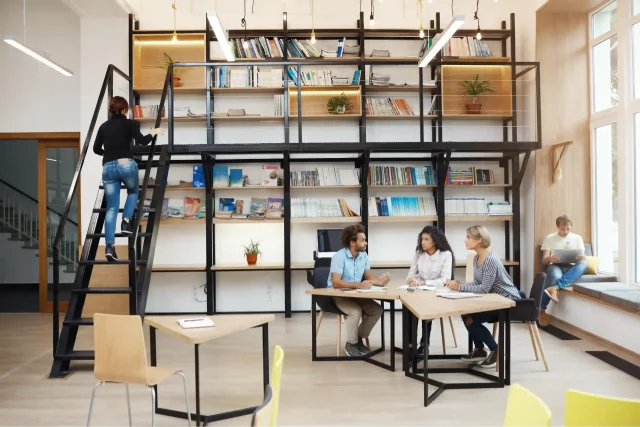
Effective space planning maximizes productivity and supports your team’s workflow. Consider open-plan areas, private offices, meeting rooms, and collaborative zones. The layout should also account for circulation, natural light, and emergency exits.
Mechanical, Electrical, and Plumbing (MEP) Systems
Upgrading or modifying MEP systems is often necessary during a buildout. This includes HVAC for climate control, electrical wiring for lighting and equipment, and plumbing for kitchens or restrooms. All work must meet current codes and be performed by licensed professionals.
- Electrical Load: Ensure your electrical system can handle the demands of computers, printers, and other office equipment.
- Lighting: Incorporate energy-efficient lighting and consider both task and ambient illumination.
- HVAC: Proper ventilation and temperature control are essential for comfort and productivity.
- Plumbing: Restrooms, kitchens, and break areas must comply with health and safety standards.
IT Infrastructure and Connectivity
Modern offices rely on robust IT infrastructure. Plan for sufficient data cabling, Wi-Fi coverage, and server room requirements. Consider future scalability so your network can grow with your business.
Project Management and Budgeting for Office Renovations
Managing an office buildout requires careful coordination of timelines, budgets, and stakeholders. Start with a clear project scope and realistic budget, accounting for both expected and unforeseen expenses. Transparent communication with contractors, architects, and vendors is key to staying on track.
- Timeline Planning: Develop a detailed schedule with milestones for design, permitting, construction, and move-in.
- Cost Control: Obtain multiple bids, set aside a contingency fund, and monitor spending throughout the project.
- Stakeholder Engagement: Involve employees, IT staff, and facility managers early to ensure the finished space meets everyone’s needs.
For a comprehensive overview of the entire process, including tips on budgeting and avoiding common pitfalls, review this detailed guide to commercial build-outs.
Common Challenges and How to Overcome Them
Even with careful planning, office renovations can encounter obstacles. Some of the most frequent issues include:
- Unexpected Site Conditions: Hidden problems such as asbestos, outdated wiring, or structural deficiencies can delay work and increase costs.
- Permit Delays: Incomplete applications or changes to plans can slow down the approval process. Work closely with your contractor and local officials to minimize setbacks.
- Scope Creep: Adding features or changing plans mid-project can lead to budget overruns. Stick to the original scope whenever possible, and document any changes.
- Coordination Issues: Multiple trades working simultaneously can create scheduling conflicts. A dedicated project manager helps keep everyone aligned.

Best Practices for Meeting Office Buildout Requirements
To ensure your office renovation is successful, consider these best practices:
- Engage Professionals Early: Work with experienced architects, engineers, and contractors familiar with commercial projects.
- Prioritize Compliance: Stay up to date with building codes, ADA standards, and other regulatory requirements.
- Plan for Flexibility: Design spaces that can adapt to changing business needs, such as modular walls or flexible workstations.
- Communicate Clearly: Keep all stakeholders informed throughout the project to avoid misunderstandings and delays.
- Document Everything: Maintain thorough records of permits, inspections, contracts, and change orders.
If you’re interested in how planning checklists can streamline complex projects, you might find the kitchen remodeling planning checklist useful for inspiration.
Frequently Asked Questions
What permits are typically required for an office buildout?
Most projects require building, electrical, plumbing, and sometimes fire safety permits. The exact permits depend on the scope of work and local regulations. Always check with your local building department before starting construction.
How can I ensure my office buildout meets accessibility standards?
Incorporate ADA-compliant features such as accessible entrances, restrooms, and pathways. Consult with an architect or accessibility specialist to verify that your plans meet all applicable requirements.
What is the typical timeline for a commercial office renovation?
Timelines vary based on project size and complexity. A small office refresh may take a few weeks, while a full-scale buildout can require several months. Factors such as permitting, material lead times, and unforeseen site conditions can impact the schedule.