
Mold growth in homes and buildings is a persistent problem that can lead to health issues, structural damage, and costly repairs. One of the most effective ways to combat this issue is by ensuring adequate airflow throughout your living spaces. Mold prevention through ventilation is not just about comfort—it’s a critical component of maintaining a healthy indoor environment. This article explores practical strategies, the science behind air movement, and actionable steps to help you keep mold at bay.
By understanding how moisture and air interact, you can make informed decisions about which systems and habits will best protect your home. We’ll also cover the types of equipment that can make a difference, and how to integrate these solutions into your daily routine.
For those interested in the science behind airflow, the article air exchange rates in homes provides a detailed look at how proper air movement can impact indoor air quality and moisture control.
Why Airflow Matters for Mold Control
Mold thrives in environments where moisture is present and stagnant air allows humidity to linger. Without sufficient ventilation, everyday activities such as cooking, showering, and even breathing can raise indoor humidity to levels that support mold growth. By promoting continuous air movement, you reduce the likelihood of condensation and help maintain a dry, inhospitable setting for mold spores.
Proper ventilation not only removes excess moisture but also dilutes airborne contaminants, improving overall indoor air quality. This is especially important in areas prone to dampness, such as bathrooms, kitchens, basements, and attics.
How Ventilation Prevents Mold Growth
The process of mold prevention through ventilation involves several mechanisms:
- Moisture Reduction: Effective airflow removes humid air and replaces it with drier air from outside or other parts of the building.
- Condensation Control: By keeping surfaces at or near room temperature, ventilation minimizes the risk of water droplets forming on walls, ceilings, and windows.
- Air Exchange: Regularly exchanging indoor and outdoor air helps flush out spores and pollutants, reducing the concentration of mold in the environment.
For more on how air movement impacts moisture, see how moisture affects home ventilation.
Types of Ventilation Systems for Mold Prevention
There are several methods to achieve adequate airflow in your home. Each has unique benefits and is suited to different building layouts and climates.
Natural Ventilation
This approach relies on openings such as windows, doors, and vents to allow fresh air to circulate. Cross-ventilation, where air enters from one side and exits through another, is particularly effective in reducing humidity. For homes in breezy locations, wind-driven ventilation explained offers insights into harnessing natural forces for improved airflow.
Mechanical Ventilation
When natural airflow is insufficient, mechanical systems provide a controlled way to move air. Common options include:
- Exhaust Fans: Installed in bathrooms, kitchens, and laundry rooms, these fans remove humid air directly from the source.
- Whole House Fans: These systems draw cool, dry air through the home and expel warm, moist air through the attic.
- Heat Recovery Ventilators (HRVs) and Energy Recovery Ventilators (ERVs): These advanced systems exchange stale indoor air with fresh outdoor air while minimizing energy loss.
Air Filtration and Purification
While not a substitute for airflow, filtration systems can help capture airborne mold spores and other particulates. High-efficiency particulate air (HEPA) filters are especially effective in reducing allergens and improving indoor air quality.
Best Practices for Effective Airflow
Implementing mold prevention through ventilation requires more than just installing fans or opening windows. Consider these practical tips:
- Use exhaust fans during and after activities that generate moisture, such as showering or cooking.
- Keep interior doors open to promote circulation between rooms.
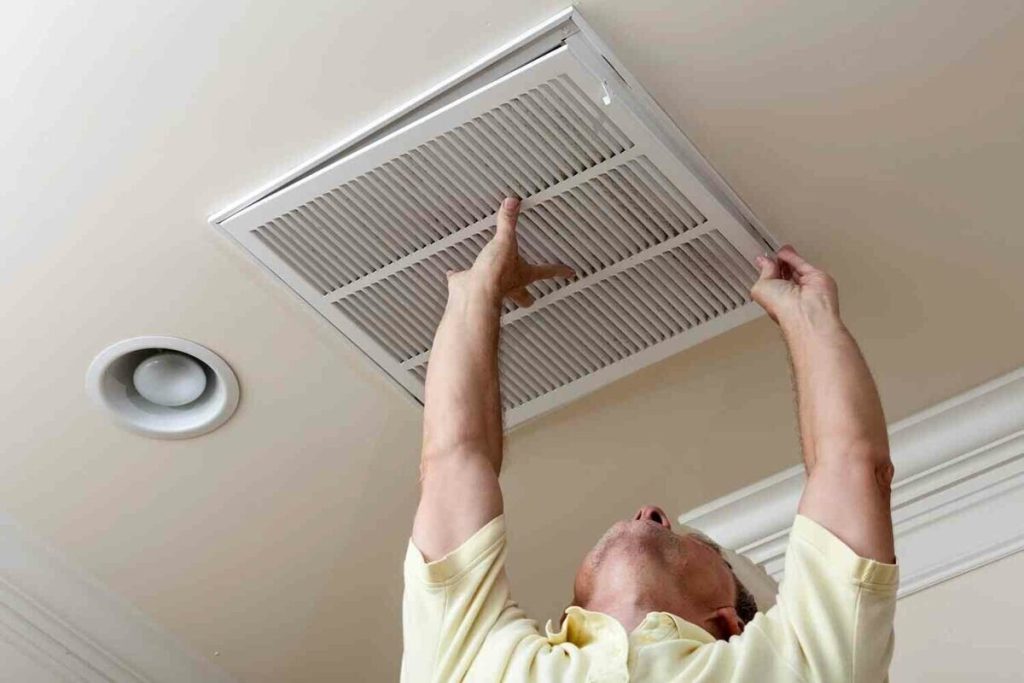
- Regularly check and clean vents, ducts, and filters to ensure unobstructed airflow.
- Monitor indoor humidity with a hygrometer and aim for levels below 60%.
- Seal leaks around windows, doors, and roofs to prevent water intrusion.
For a deeper understanding of how air movement reduces condensation, see how ventilation reduces condensation.
Choosing and Maintaining Ventilation Equipment
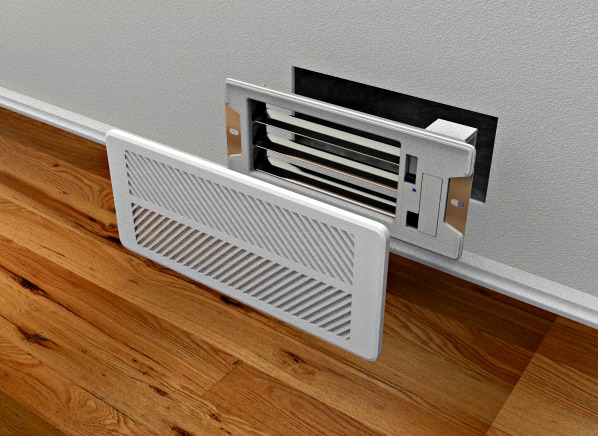
Selecting the right system depends on your home’s size, layout, and climate. For most households, a combination of natural and mechanical solutions works best. When choosing fans or air exchangers, look for models with adequate capacity for the space and energy-efficient features.
Maintenance is equally important. Clean or replace filters regularly, inspect ductwork for blockages, and ensure that exterior vents are clear of debris. Proper upkeep not only extends the life of your equipment but also ensures optimal performance in keeping moisture under control.
Additional Resources and Expert Advice
For a comprehensive overview of how home airflow systems work, visit this guide to home ventilation systems. Staying informed about the latest technologies and best practices can help you make the most effective choices for your property.
Frequently Asked Questions
How does ventilation help prevent mold?
Ventilation reduces indoor humidity and removes excess moisture, which are key factors in mold growth. By exchanging stale, damp air with fresh, dry air, you create an environment where mold spores are less likely to thrive.
What areas of the home are most vulnerable to mold without proper airflow?
Bathrooms, kitchens, basements, attics, and laundry rooms are especially prone to mold due to frequent moisture and limited natural airflow. Installing exhaust fans and ensuring regular air exchange in these spaces is essential.
Can air filtration alone stop mold from growing?
While air filtration systems can capture airborne mold spores, they do not address the root cause—excess moisture. Effective mold prevention through ventilation requires both airflow and humidity control.
How often should ventilation equipment be maintained?
Most fans and air exchangers should be inspected and cleaned at least every six months. Filters may need more frequent replacement, depending on usage and manufacturer recommendations.
Conclusion
Preventing mold is a continuous process that relies on maintaining the right balance of moisture and airflow. By understanding the principles of mold prevention through ventilation and implementing both natural and mechanical solutions, you can safeguard your home against mold-related problems. Regular maintenance and monitoring will ensure your systems work efficiently, providing a healthier and more comfortable living environment for years to come.