
Understanding the life cycle assessment in energy-efficient homes is crucial for sustainable living. This comprehensive guide explores the concept of life cycle assessment, its application in passive homes, and its significance in the sustainability discourse.
In the realm of sustainable construction, passive homes are gaining popularity due to their energy efficiency and minimal environmental impact. A critical aspect of these homes’ sustainability is their life cycle assessment – a holistic analysis of a home’s environmental impact from design to demolition.
For more insights on sustainable construction, you can refer to our article on eco-friendly home construction tips.
Understanding Life Cycle Assessment
Life cycle assessment (LCA) is a method used to evaluate the environmental impacts associated with all the stages of a product’s life. In the context of passive homes, LCA considers factors such as the energy used in construction, operation, and eventual demolition of the house.

Application of Life Cycle Assessment in Passive Homes
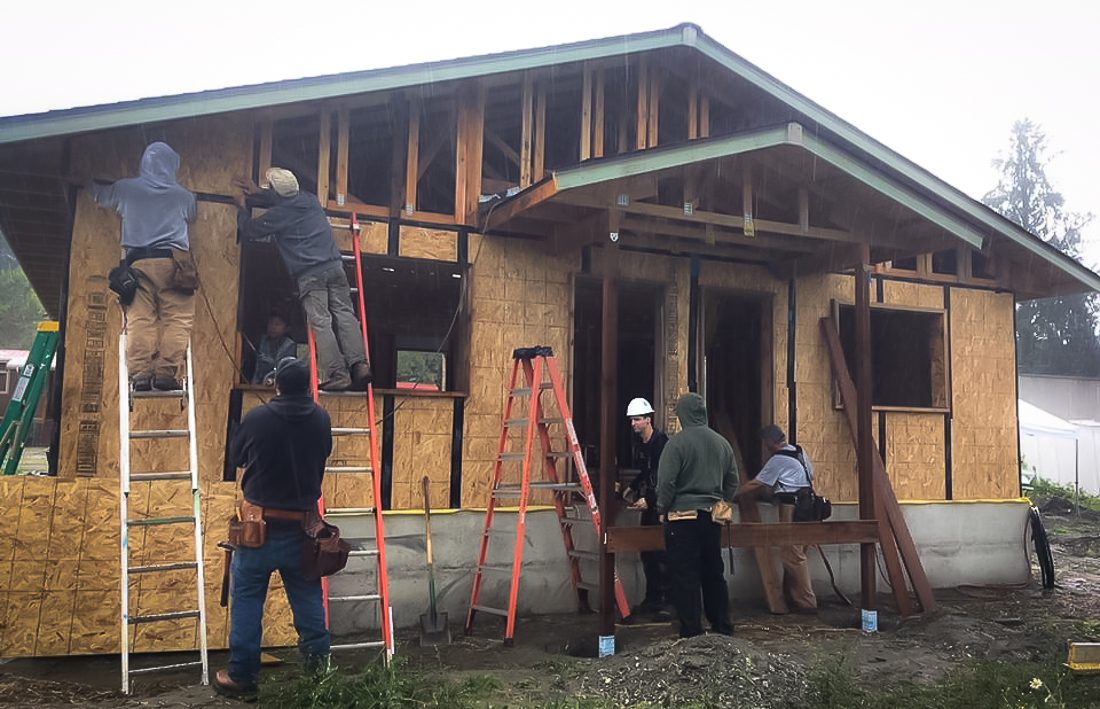
The application of LCA in passive homes involves assessing the environmental impact of the materials used, the construction process, the home’s operation, and its end of life. The goal is to minimize the overall environmental footprint of the house.
Importance of Life Cycle Assessment in Passive Homes
Conducting a life cycle assessment for passive homes is essential for several reasons. Firstly, it helps identify opportunities to reduce environmental impacts. Secondly, it aids in decision-making for homeowners and builders. Lastly, it contributes to the broader goal of sustainable development.

For more information on passive homes, visit this comprehensive guide.
As we conclude, it’s worth noting that adopting sustainable practices in our homes is a significant step towards a greener future. Investing in a solar accessory that lasts long or taking steps to align with local energy codes can make a significant difference.