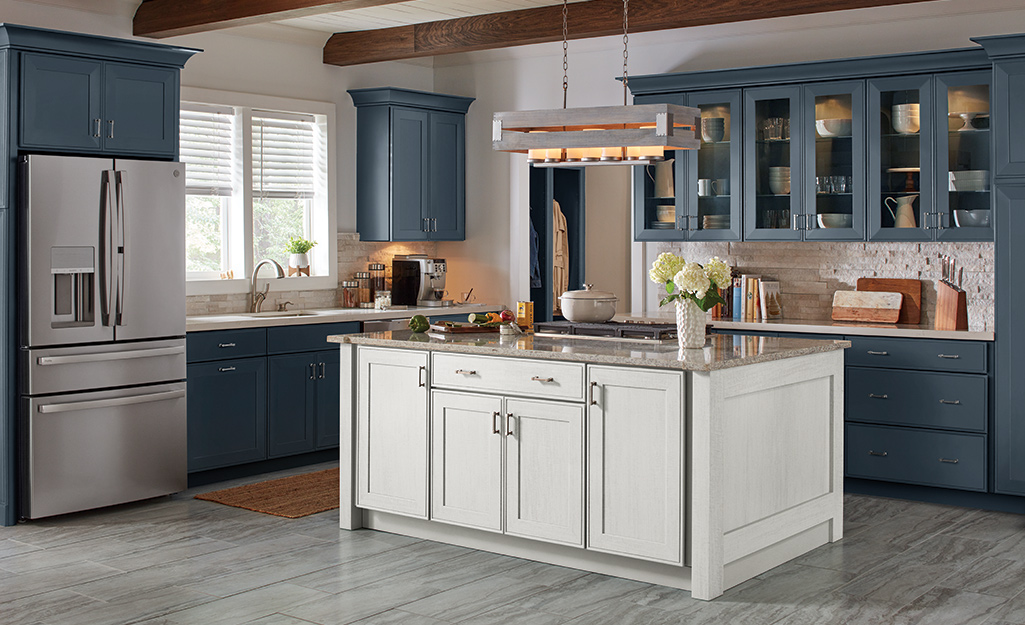

Embarking on a kitchen renovation can feel overwhelming, especially if you’re new to home improvement projects. With so many decisions to make—from layout and design to materials and appliances—it’s easy to lose sight of your goals or budget. Fortunately, there are proven strategies and expert advice that can help you approach your remodel with confidence and avoid common pitfalls.
This guide covers essential kitchen remodeling tips for beginners, including how to plan your project, set a realistic budget, choose the right materials, and manage the renovation process. Whether you’re updating a small galley or transforming a spacious kitchen, these insights will help you make informed choices and achieve a functional, stylish space.
If you’re interested in exploring more design inspiration, check out these modern kitchen remodeling ideas for a sleek, contemporary look.
Getting Started: Planning Your Kitchen Renovation
The foundation of a successful kitchen remodel is a solid plan. Before you start tearing out cabinets or shopping for new appliances, take time to define your goals and priorities. Consider how you use your kitchen, what features are most important, and what problems you want to solve.
- Assess your needs: Think about how you cook, entertain, and store items. Do you need more counter space, better lighting, or improved storage?
- Set clear objectives: Are you looking for a complete transformation or just a cosmetic update? Knowing your end goal will guide your decisions throughout the process.
- Measure your space: Accurate measurements are crucial for planning layouts and selecting fixtures. Double-check all dimensions before making purchases.
Budgeting Basics for First-Time Remodelers
Establishing a realistic budget is one of the most important kitchen remodeling tips for beginners. Costs can add up quickly, so it’s essential to know what you can afford and where you’re willing to splurge or save.
- Break down your budget: Allocate funds for cabinetry, appliances, countertops, flooring, lighting, and labor. Don’t forget to set aside 10–20% for unexpected expenses.
- Get multiple quotes: Compare estimates from contractors and suppliers to ensure you’re getting fair pricing.
- Prioritize essentials: Invest in quality where it matters most—like durable countertops or reliable appliances—and look for savings on finishes or decorative elements.
Choosing Materials and Finishes
Selecting the right materials can have a big impact on both the look and longevity of your kitchen. For those new to remodeling, it’s wise to balance aesthetics with practicality.
- Cabinetry: Solid wood is durable but can be costly. Consider semi-custom or ready-to-assemble options for savings.
- Countertops: Quartz and granite are popular for their resilience, while laminate offers a budget-friendly alternative.
- Flooring: Tile and luxury vinyl plank are both durable and easy to maintain, making them great choices for busy kitchens.
- Backsplash: Subway tile is classic and affordable, but don’t be afraid to explore unique patterns or materials for a personalized touch.
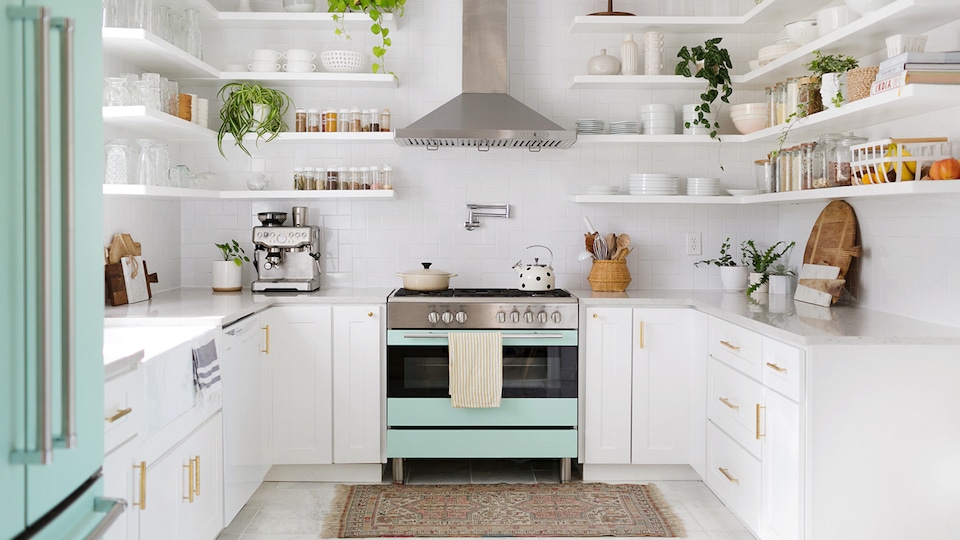
Layout and Workflow: Making the Most of Your Space
A well-designed layout is key to a functional kitchen. Beginners should focus on the “work triangle”—the relationship between the sink, stove, and refrigerator. Keeping these elements within easy reach streamlines cooking and cleaning.
- Open up traffic flow: Avoid placing appliances or islands where they block pathways.
- Maximize storage: Use pull-out shelves, lazy Susans, and vertical storage to make the most of every inch.
- Consider lighting: Layer ambient, task, and accent lighting for a bright, inviting space.
For more inspiration on efficient layouts and contemporary designs, you can explore modern kitchen remodeling ideas that blend style with practicality.
DIY or Hire a Pro? Deciding What’s Right for You
Many first-time remodelers wonder whether to tackle projects themselves or bring in professionals. While some updates—like painting or installing new hardware—are beginner-friendly, others (such as electrical or plumbing work) are best left to licensed contractors.
- DIY tasks: Painting, backsplash installation, hardware replacement, and minor demolition.
- Hire a pro for: Electrical, plumbing, gas lines, and structural changes. Mistakes in these areas can be costly and dangerous.
- Permits: Always check local regulations to see if you need permits for your renovation.

Common Mistakes to Avoid in Your First Kitchen Remodel
Even with careful planning, beginners can fall into some common traps during a kitchen renovation. Being aware of these can help you sidestep unnecessary stress and expense.
- Underestimating costs: Always budget for surprises—hidden water damage or outdated wiring can add to your expenses.
- Ignoring workflow: Placing appliances too far apart or blocking cabinets with islands can make your kitchen less functional.
- Choosing trends over function: While it’s tempting to follow the latest styles, prioritize features that will stand the test of time.
- Skipping ventilation: Good ventilation is essential for removing cooking odors and moisture. Don’t overlook a quality range hood.
For more design ideas and practical advice, you might find these kitchen remodeling ideas from Better Homes & Gardens helpful as you plan your project.
Staying Organized and On Track
Keeping your project organized will help you manage timelines and reduce stress. Use a notebook or digital tool to track your budget, receipts, and contractor information. Create a timeline for each phase of the renovation, and communicate regularly with your team or family members.
- Order materials early: Delays in shipping can hold up your project. Order cabinets, appliances, and fixtures well in advance.
- Set milestones: Break your project into stages—demolition, installation, finishing touches—and celebrate progress along the way.
- Stay flexible: Unexpected issues can arise. Be prepared to adjust your plans if needed.
Frequently Asked Questions
How long does a typical kitchen remodel take?
The timeline varies depending on the scope of work. A minor update might take a few weeks, while a full renovation can last two to three months. Delays can occur due to material backorders or unforeseen issues, so build some buffer time into your schedule.
What is the most cost-effective way to update a kitchen?
Painting cabinets, replacing hardware, and updating lighting are affordable ways to refresh your kitchen. Focus on changes that have a big visual impact without requiring major construction.
Do I need permits for a kitchen remodel?
It depends on your location and the extent of your project. Cosmetic updates usually don’t require permits, but electrical, plumbing, or structural changes often do. Check with your local building department before starting work.
If you’re interested in sustainable living and home improvement, you might also enjoy our complete guide to off-grid homesteading.