
Proper ventilation is essential for maintaining healthy indoor air quality, controlling moisture, and improving comfort in any residence. Many older properties or homes built before modern building codes may lack sufficient airflow, leading to issues such as condensation, mold growth, and stale air. For homeowners, understanding the process of installing ventilation in existing homes is key to creating a safer and more comfortable living environment.
This guide covers the main types of systems, planning considerations, installation steps, and tips for choosing the right approach for your property. If you’re also interested in how insulation impacts airflow, you may want to read how insulation affects ventilation for a deeper understanding of the relationship between these two important elements.
Why Upgrade Airflow in Older Properties?
Many existing houses were constructed with little attention to air exchange. Over time, as energy efficiency improvements like air sealing and insulation are added, homes can become even more airtight, trapping humidity and pollutants inside. Upgrading or adding a ventilation system can help:
- Reduce indoor air pollutants from cooking, cleaning, and off-gassing materials
- Control moisture and prevent mold or mildew growth
- Improve comfort by balancing temperature and humidity
- Enhance energy efficiency when paired with proper insulation and air sealing
For those planning renovations, it’s also helpful to review ventilation during home renovation for specific guidance on integrating new systems during upgrades.
Assessing the Need for Additional Ventilation
Before starting any installation, it’s important to evaluate the current airflow in your home. Signs that your property could benefit from improved ventilation include:
- Persistent condensation on windows
- Mold or mildew growth in bathrooms, kitchens, or basements
- Musty odors or lingering smells after cooking
- Visible dust accumulation or allergy symptoms
A professional assessment, such as a blower door test, can help identify air leaks and determine the right balance between air sealing and ventilation balance.
Types of Ventilation Solutions for Existing Homes
There are several solutions available for improving airflow in established properties. The best option depends on your home’s layout, climate, and your specific needs. Here are the most common types:
Exhaust-Only Systems
These systems use fans (often installed in bathrooms or kitchens) to remove stale or humid air from the house. They are relatively simple to retrofit and cost-effective. However, they rely on passive air inlets or leaks to bring in fresh air, which may not always be ideal.

Supply-Only Systems
These systems use a fan to bring fresh outdoor air into the home, usually through a dedicated duct. They help pressurize the house and can be paired with filters to improve indoor air quality. However, without an exhaust component, humidity and pollutants may not be fully removed.
Balanced Systems
Balanced systems, such as Heat Recovery Ventilators (HRVs) or Energy Recovery Ventilators (ERVs), both supply and exhaust air, maintaining even pressure and maximizing energy efficiency. These are ideal for airtight homes and can be retrofitted, though installation is more complex and may require professional help.
Planning and Preparation for Retrofitting Ventilation
When considering installing ventilation in existing homes, careful planning is essential. Here are some steps to guide your project:
- Assess your home’s current airflow: Identify problem areas, such as bathrooms, kitchens, or basements, where moisture and odors accumulate.
- Choose the right system: Decide between exhaust, supply, or balanced systems based on your needs and budget.
- Locate optimal vent positions: Plan where fans, ducts, and vents will be installed for maximum effectiveness.
- Consider energy efficiency: Pair new airflow solutions with proper insulation and air sealing to minimize energy loss.
- Check local codes and permits: Ensure your project complies with building regulations and obtain any necessary permits.
For more on planning during construction phases, see ventilation considerations during framing.
Step-by-Step Guide to Adding Ventilation
While some projects may require professional installation, many homeowners can tackle basic upgrades themselves. Here’s a general outline for improving airflow in an established residence:
- Identify key areas: Focus on rooms that generate the most moisture and odors, such as bathrooms, laundry rooms, and kitchens.
- Select appropriate equipment: Choose fans, ducts, and filters suitable for your home’s size and needs.
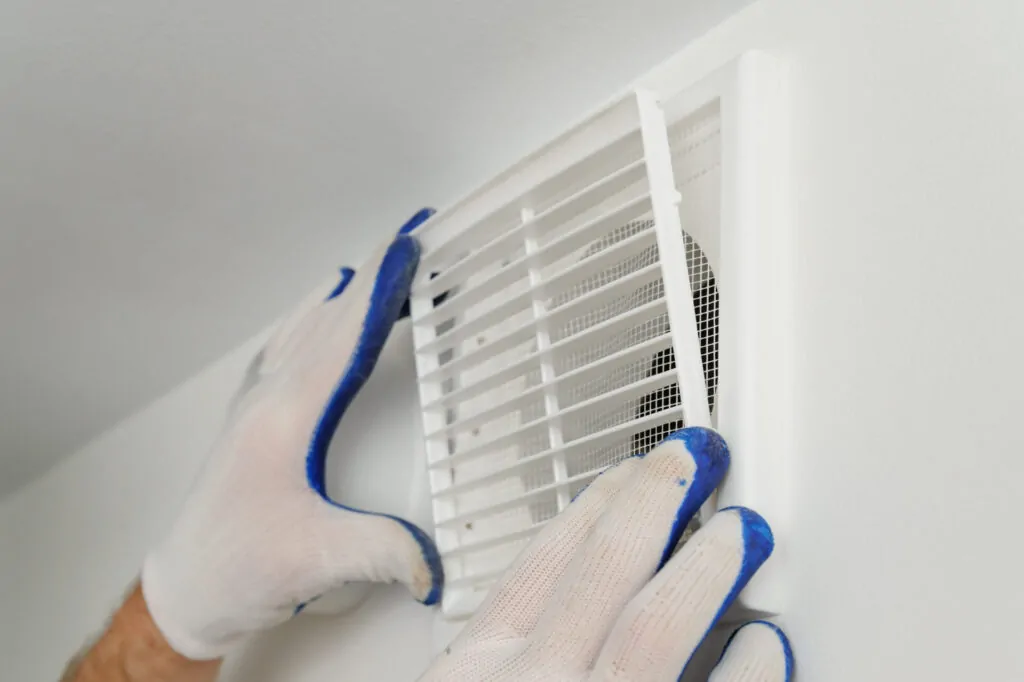
- Install exhaust fans: Cut openings in ceilings or walls, mount the fan, and connect it to exterior vents. Ensure all electrical work is performed safely and to code.
- Add supply vents: If using a supply or balanced system, install intake vents and ductwork to bring in fresh air.
- Seal and insulate ducts: Use mastic or foil tape to seal joints, and insulate ducts in unconditioned spaces to prevent condensation.
- Test the system: After installation, check airflow and ensure all vents are operating correctly.
Maintenance and Upkeep for Home Ventilation
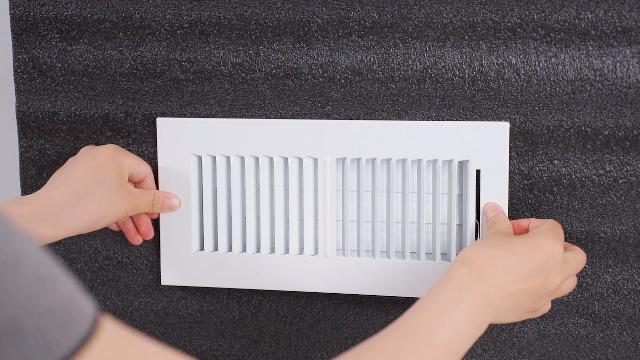
Once your new system is in place, regular maintenance is crucial for optimal performance. Here are a few tips:
- Clean or replace filters every 3–6 months
- Inspect fans and ducts annually for dust buildup or blockages
- Check exterior vents for obstructions, such as leaves or nests
- Listen for unusual noises that could indicate a problem with the fan motor
Keeping your system in good condition ensures healthy air quality and helps your investment last longer.
Energy Efficiency and Indoor Air Quality
Improving airflow in older properties can also boost energy efficiency. By pairing new airflow solutions with proper insulation and air sealing, you reduce the workload on your heating and cooling systems. For more details on the science behind this, see blower door test explained.
Additionally, using filtration kits and high-quality fans can help remove allergens, dust, and other pollutants, resulting in cleaner, healthier air for your family.
Common Challenges and How to Overcome Them
Retrofitting airflow solutions in established properties can present some unique challenges:
- Limited space: Older homes may have tight attics or wall cavities. Slim-profile fans and flexible ducting can help.
- Electrical upgrades: Some installations may require new wiring or circuit upgrades. When in doubt, hire a licensed electrician.
- Balancing airflow: Too much exhaust without adequate supply can create negative pressure. Balanced systems or passive inlets may be needed.
- Building code compliance: Always check local requirements before starting work.
For more information on the importance of proper airflow and what to expect, see this comprehensive overview of home ventilation essentials.
Frequently Asked Questions
What is the best type of ventilation system for an older home?
The ideal solution depends on your budget, home layout, and climate. Exhaust-only systems are simple and affordable, while balanced systems like HRVs or ERVs provide the best air quality and energy efficiency but require more complex installation.
Can I install a new ventilation system myself?
Many homeowners can install basic exhaust fans or supply vents with standard tools. However, more advanced systems, such as balanced or whole-house solutions, may require professional expertise, especially for electrical or ductwork modifications.
How often should I maintain my home’s ventilation equipment?
Filters should be checked and replaced every 3–6 months. Fans, ducts, and exterior vents should be inspected at least once a year to ensure optimal performance and prevent blockages.
Will adding ventilation increase my energy bills?
Properly installed and maintained systems can actually help control energy costs by reducing humidity and improving HVAC efficiency. Using energy-efficient fans and pairing ventilation with good insulation can further minimize any increase in utility bills.