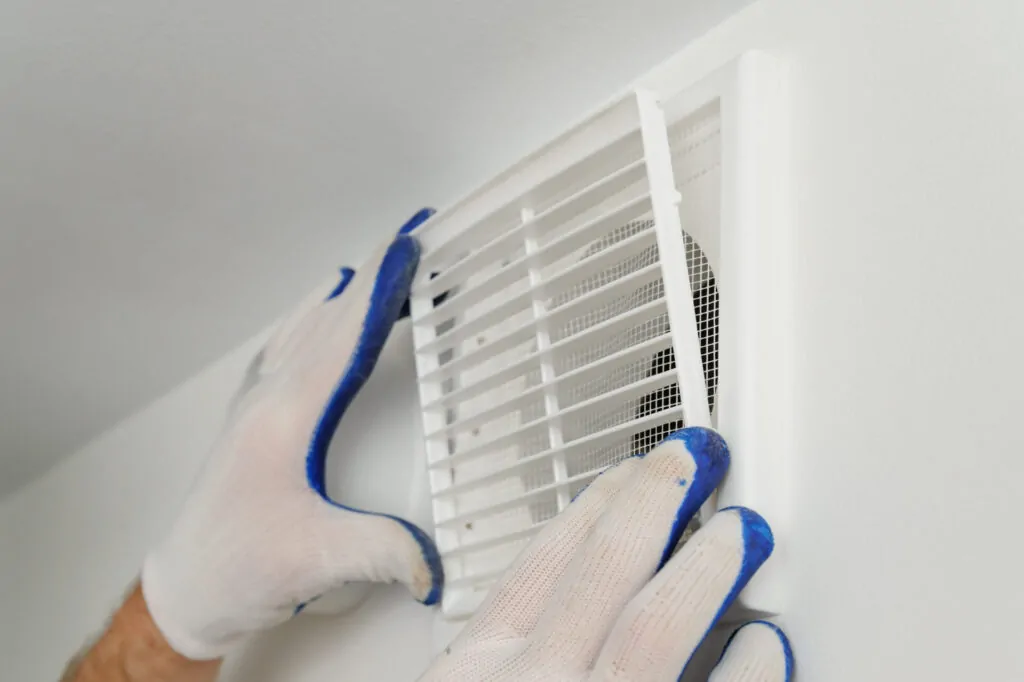
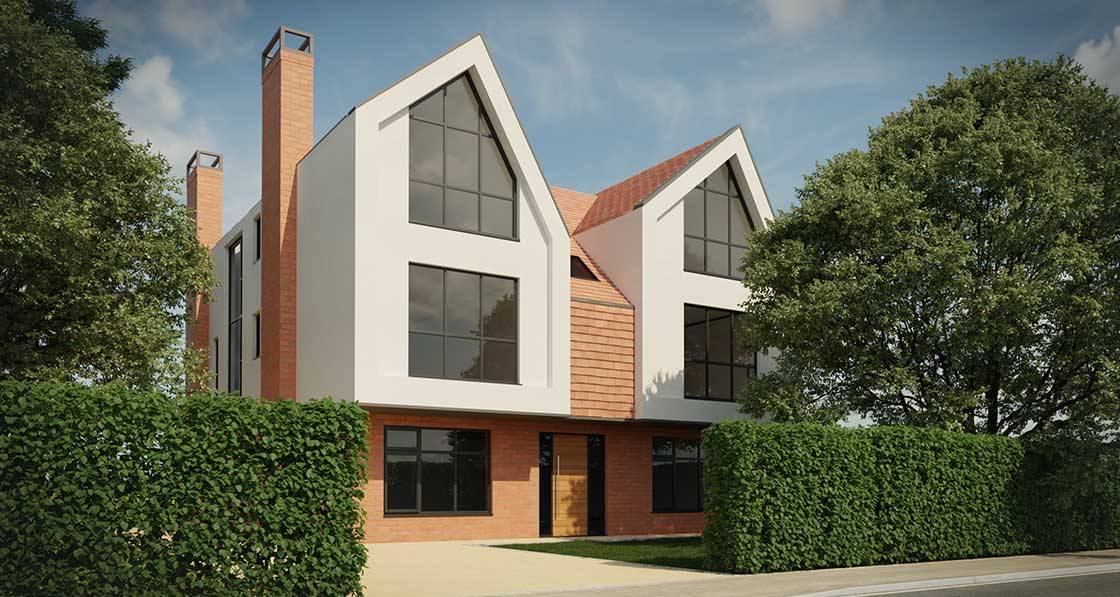
Understanding how air moves and is distributed within a building is essential for maintaining a healthy, comfortable, and energy-efficient indoor environment. The concept of indoor air pressure balance is central to this process. When air pressure is properly managed, it helps prevent issues like drafts, moisture buildup, and uneven temperatures, while also supporting better air quality. This guide provides a practical overview of how air pressure works inside homes and buildings, why it matters, and what you can do to ensure your space remains balanced.
Whether you’re a homeowner, property manager, or simply looking to improve the comfort of your living space, learning about air pressure dynamics can help you make informed decisions about ventilation, filtration, and HVAC systems. For those interested in more advanced solutions, you might also want to explore topics like energy recovery ventilator explained for deeper insights into modern ventilation technology.
What Is Indoor Air Pressure Balance?
At its core, air pressure balance refers to the equilibrium between the air entering and leaving a building. When the amount of air coming in matches the amount going out, the pressure inside remains stable. If more air is forced in than out, the space becomes positively pressurized; if more air escapes than enters, negative pressure develops. Both extremes can lead to comfort and health issues.
Achieving the right balance is crucial for several reasons:
- Comfort: Balanced pressure prevents drafts, hot or cold spots, and doors that slam or stick.
- Air Quality: Proper pressure supports effective ventilation, reducing pollutants, allergens, and humidity.
- Energy Efficiency: An unbalanced system can cause HVAC units to work harder, increasing utility costs.
- Building Health: Pressure imbalances can draw in moisture, leading to mold, rot, or structural issues.
For a deeper dive into how modern homes address these challenges, check out the ventilation requirements in modern homes resource.
How Air Pressure Is Created Indoors
Several factors influence the movement and pressure of air inside a building. These include:
- Mechanical Ventilation: Devices like exhaust fans, range hoods, and whole-house fans actively move air in or out, altering the pressure.
- Natural Forces: Wind and temperature differences (the stack effect) can push air through gaps and openings.
- HVAC Systems: Heating and cooling systems distribute air throughout the building, and their design affects pressure zones.
- Building Envelope: The tightness of windows, doors, and walls determines how easily air leaks in or out.
When these elements are not properly coordinated, pressure imbalances can develop. For example, running a powerful kitchen exhaust without adequate makeup air can cause negative pressure, pulling in unfiltered outdoor air through cracks.
Signs of Air Pressure Imbalance
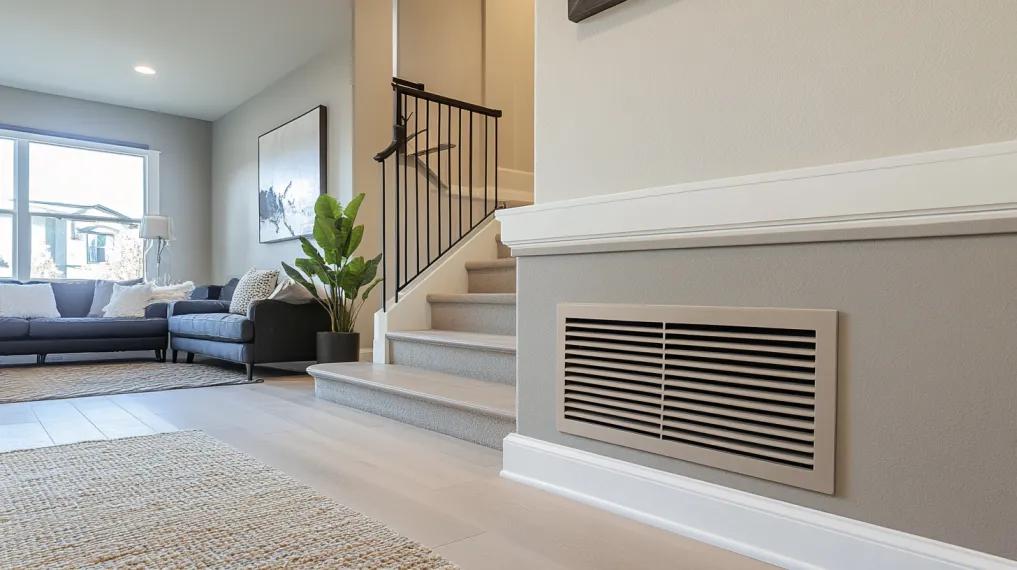
Recognizing the symptoms of pressure problems can help you address them before they lead to bigger issues. Common indicators include:
- Doors that are difficult to open or close, or that move on their own
- Drafts around windows, doors, or electrical outlets
- Uneven heating or cooling between rooms
- Unusual odors entering from outside or other parts of the building
- Increased dust or allergy symptoms
- Condensation on windows or walls
If you notice any of these signs, it’s worth investigating your home’s ventilation and air distribution. For practical tips on improving airflow, see how to improve indoor airflow.
Balancing Air Pressure: Practical Steps
Achieving and maintaining a healthy pressure balance involves a combination of good design, regular maintenance, and sometimes, targeted upgrades. Here are some effective strategies:
- Assess Ventilation Systems: Make sure exhaust fans, range hoods, and other mechanical systems are properly sized for your space. They should remove stale air without creating excessive negative pressure.
- Provide Makeup Air: For every cubic foot of air exhausted, an equal amount should be brought in, ideally through filtered and controlled pathways. This prevents unwanted drafts and maintains air quality.
- Seal Leaks: Inspect and seal gaps around windows, doors, and utility penetrations to prevent uncontrolled air movement.
- Balance HVAC Ductwork: Ensure supply and return ducts are balanced so that each room receives and returns air evenly. An imbalance can lead to pressure differences between rooms.
- Use Air Filtration: Incorporate high-quality filters in your HVAC system to ensure that incoming air is clean and free of pollutants.
- Monitor Humidity: Excess moisture can indicate pressure issues. Use dehumidifiers or ventilation systems as needed.
For those considering advanced solutions, learning about fresh air intake systems explained can provide valuable insights into maintaining optimal indoor conditions.
Types of Ventilation and Their Impact on Pressure
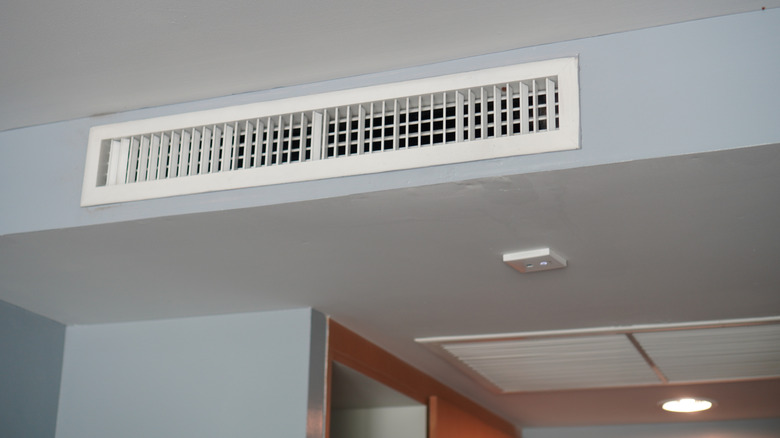
The way a building is ventilated has a direct effect on its pressure dynamics. There are two main types:
- Natural Ventilation: Relies on openings like windows and vents, as well as the natural movement of air due to wind and temperature differences. While energy-efficient, it can be unpredictable and harder to control.
- Mechanical Ventilation: Uses fans, ducts, and other equipment to move air in a controlled manner. This approach allows for precise management of air pressure and quality.
Many modern homes use a combination of both. For a comprehensive overview of the different systems available, see this guide to house ventilation systems.
Maintaining a Healthy Indoor Environment
Keeping your home’s air pressure balanced is not a one-time task, but an ongoing process. Regularly check your ventilation systems, replace filters, and pay attention to any changes in comfort or air quality. If you make changes to your home—such as adding new appliances, sealing up leaks, or renovating—reassess your air pressure balance to ensure everything remains in harmony.
For those interested in energy efficiency and advanced ventilation, learning about how heat recovery ventilation works can be a valuable next step.
Frequently Asked Questions
How can I tell if my home has a pressure imbalance?
Common signs include doors that are hard to open or close, noticeable drafts, uneven temperatures, and increased dust or allergy symptoms. If you notice these issues, consider having a professional assess your ventilation and HVAC systems.
What are the risks of negative or positive pressure indoors?
Negative pressure can draw in unfiltered outdoor air, moisture, and pollutants, potentially leading to mold or structural damage. Positive pressure may force conditioned air out through gaps, wasting energy and possibly causing condensation in walls.
Can I balance air pressure myself, or do I need a professional?
Simple steps like sealing leaks, using exhaust fans properly, and maintaining filters can be done by most homeowners. However, if you have persistent issues or a complex HVAC setup, it’s best to consult a professional for a thorough assessment and solution.