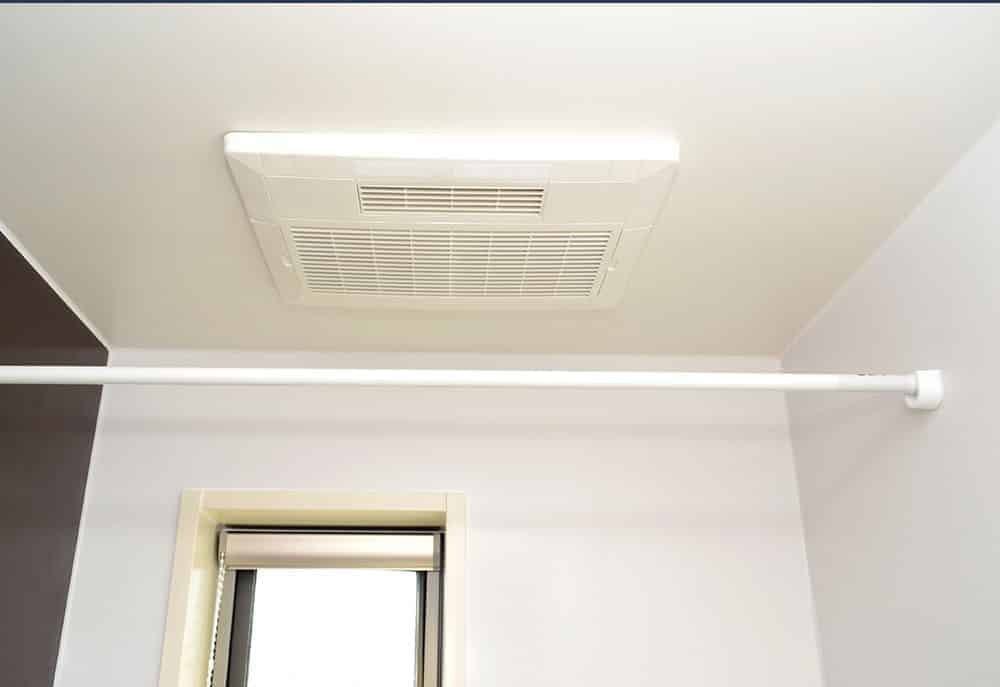
Condensation is a common issue in many homes and buildings, especially in areas with fluctuating temperatures or high humidity. It can lead to dampness, mold growth, and even structural damage if left unchecked. One of the most effective ways to manage and prevent condensation is through proper ventilation. By understanding the relationship between airflow and moisture, homeowners can take practical steps to create a healthier, drier indoor environment.
In this article, we’ll explore the science behind moisture buildup, how air movement helps minimize condensation, and which ventilation strategies are most effective. For those interested in a broader overview of indoor air management, the guide on air quality and ventilation basics provides additional context.
Understanding Condensation and Its Causes
Condensation forms when warm, moist air comes into contact with cooler surfaces, causing water vapor to turn into liquid droplets. This is most noticeable on windows, walls, and ceilings during colder months or in rooms with poor airflow. Everyday activities like cooking, showering, and even breathing contribute to indoor humidity, increasing the risk of moisture problems.
Without adequate air exchange, trapped humidity accumulates, raising the likelihood of condensation. Over time, this can result in peeling paint, musty odors, and the growth of mold or mildew. Understanding the underlying causes is the first step toward effective prevention.
How Airflow Helps Prevent Moisture Buildup
The key to reducing condensation lies in controlling indoor humidity and ensuring that moist air is regularly replaced with drier, fresh air from outside. This is where ventilation plays a crucial role. By promoting continuous air movement, ventilation systems help disperse excess moisture before it can settle on surfaces.
There are several ways that improved airflow combats condensation:
- Removes humid air: Ventilation systems expel moisture-laden air, especially from high-risk areas like kitchens and bathrooms.
- Balances indoor climate: Consistent air exchange prevents temperature differences that cause water vapor to condense.
- Reduces stagnant zones: Properly placed vents and fans eliminate pockets of still air where moisture can accumulate.
For a deeper dive into the science of air movement and its impact on home environments, see the resource on air exchange rates in homes.

Types of Ventilation Systems for Moisture Control
There are several methods to enhance air circulation and reduce condensation risk in both new and existing buildings. The most common options include:
- Natural ventilation: This involves opening windows, vents, or trickle ventilators to allow fresh air to flow in and out. While simple, it depends on weather conditions and may not always be practical.
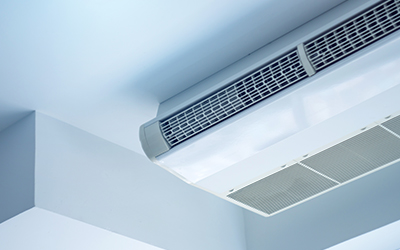
- Mechanical ventilation: Systems such as extractor fans, ceiling exhaust fans, and whole-house fans actively move air, providing consistent moisture control regardless of outdoor conditions.
- Balanced ventilation: These setups use both supply and exhaust fans to maintain steady air exchange, often with heat recovery to improve energy efficiency.
Choosing the right system depends on the building’s design, climate, and specific moisture challenges. For example, bathrooms and kitchens benefit from targeted exhaust fans, while attics and crawl spaces may require passive or powered vents.
Best Practices for Reducing Indoor Moisture
To maximize the benefits of ventilation and keep condensation at bay, consider these practical tips:
- Use exhaust fans: Always run fans in kitchens and bathrooms during and after use to quickly remove steam and odors.
- Maintain vents and ducts: Regularly clean and inspect ventilation components to ensure unobstructed airflow.
- Monitor humidity levels: Aim to keep indoor relative humidity between 30% and 50%. Hygrometers are inexpensive tools for tracking moisture.
- Seal air leaks: Prevent unwanted moisture entry by sealing gaps around windows, doors, and utility penetrations.
- Dry clothes outdoors: Whenever possible, avoid drying laundry inside, as this releases significant moisture into the air.
For more strategies on managing humidity, the article on humidity and ventilation control offers detailed advice.
Benefits of Effective Air Circulation
Investing in proper ventilation offers several advantages beyond just moisture control:
- Healthier indoor environment: Reduces allergens, mold spores, and pollutants that can affect respiratory health.
- Protects building materials: Prevents wood rot, paint damage, and corrosion caused by excess moisture.
- Improves comfort: Balanced airflow helps maintain consistent temperatures and reduces stuffiness.
- Energy efficiency: Modern systems with heat recovery minimize energy loss while providing fresh air.
For more on how moisture interacts with ventilation, explore how moisture affects home ventilation.
Choosing and Maintaining the Right System
Selecting the best ventilation approach depends on your home’s layout, local climate, and specific needs. Mechanical systems are ideal for areas with persistent condensation, while natural solutions may suffice in milder climates. Regardless of the system, regular maintenance is essential to ensure optimal performance.
When planning upgrades or installations, consult with a qualified professional to assess your space and recommend tailored solutions. For a comprehensive overview of how different systems work, see this detailed explanation of home ventilation systems.
Frequently Asked Questions
Why does condensation form more in winter?
During colder months, indoor air tends to be warmer and holds more moisture. When this humid air meets cold surfaces like windows or walls, the temperature drops below the dew point, causing water vapor to condense into droplets. Reduced ventilation in winter further increases the risk.
Can opening windows alone prevent condensation?
Opening windows can help reduce moisture, but it may not be sufficient in all situations, especially in rooms without cross-ventilation or during damp weather. Combining natural airflow with mechanical systems, such as exhaust fans, provides more reliable results.
How often should ventilation systems be maintained?
It’s recommended to inspect and clean fans, ducts, and vents at least once or twice a year. Regular maintenance ensures that air moves freely and that filters or grilles are not blocked by dust or debris, maximizing the system’s effectiveness.
Is it possible to have too much ventilation?
Excessive ventilation can lead to heat loss and increased energy bills, especially in colder climates. The goal is to balance air exchange to control humidity without over-ventilating. Modern systems with adjustable settings or heat recovery features help achieve this balance.