
Understanding how supply ventilation systems work is essential for anyone interested in improving indoor air quality and maintaining a healthy home environment. These systems play a crucial role in ensuring that fresh outdoor air is introduced into living spaces, diluting indoor pollutants and helping regulate humidity. Whether you are considering upgrading your home’s ventilation or simply want to know more about the mechanics behind these systems, this article provides a practical overview of their operation, benefits, and considerations.
For a broader look at different approaches, you may also want to explore types of home ventilation systems and how they compare to supply-based solutions. This context can help you make informed decisions about the best system for your needs.
Key Principles Behind Supply Ventilation
At their core, supply ventilation systems use a fan to draw fresh air from outside into a building. This process increases the air pressure inside, which in turn pushes stale air out through intentional exhaust points or natural leaks in the building envelope. Unlike exhaust-only systems that rely on removing air, supply systems focus on actively introducing clean air.
The main components typically include:
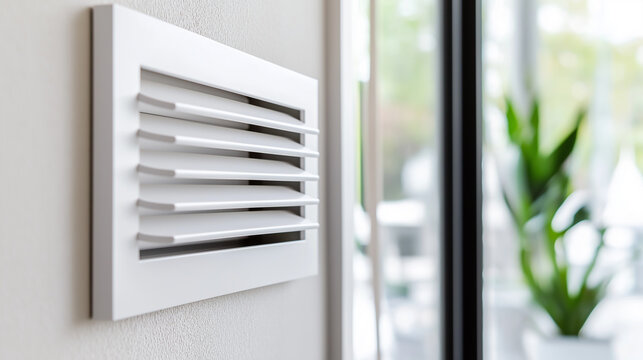
- Intake vent: Positioned on an exterior wall or roof to capture outdoor air.
- Fan unit: Moves air from outside into the home, often with adjustable speeds.
- Air filters: Remove dust, pollen, and other contaminants before air enters living spaces.
- Ductwork: Distributes fresh air to various rooms.
- Exhaust pathways: Allow indoor air to escape, either through vents or natural leaks.
By controlling the source and volume of incoming air, these systems help maintain a consistent and healthy indoor environment.
How Fresh Air Moves Through Your Home
The operation of a supply ventilation system starts when the fan draws in outdoor air through the intake vent. This air passes through a filter, which is essential for removing particulates and allergens. The filtered air then travels through ducts and is delivered to one or more rooms, often those where people spend the most time, such as bedrooms and living areas.
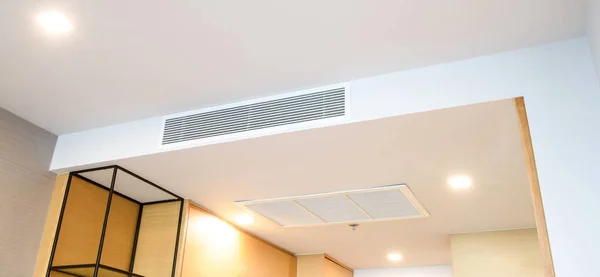
As the indoor air pressure rises, older air is pushed out through exhaust vents or small gaps around windows and doors. This continuous exchange ensures that pollutants, excess moisture, and odors are regularly removed, while oxygen levels are replenished.
For those interested in the basics of home airflow, home ventilation basics offers a foundational understanding of why proper air movement is so important.
Benefits of Using Supply Ventilation
There are several advantages to choosing a supply-based approach for your home’s ventilation:
- Improved indoor air quality: By bringing in filtered outdoor air, these systems help reduce concentrations of indoor contaminants.
- Humidity control: Fresh air can help manage moisture levels, reducing the risk of mold and mildew.
- Pressure management: Positive indoor pressure can help prevent outdoor pollutants from entering through cracks and leaks.
- Customizable filtration: Filters can be upgraded to target specific allergens or pollutants, making the system adaptable to your needs.
- Energy efficiency: When paired with energy recovery ventilators (ERVs) or heat recovery ventilators (HRVs), supply systems can help maintain comfort without significant energy loss.
Comparing Supply and Exhaust Ventilation Methods
While supply ventilation focuses on introducing fresh air, exhaust systems work by removing stale air from specific areas, such as bathrooms or kitchens. Balanced systems, which combine both supply and exhaust fans, offer the most control but are often more complex and expensive to install.
Supply-only systems are generally easier to retrofit into existing homes and provide the added benefit of filtration. However, they may not be suitable for all climates, especially those with high humidity, as they can introduce moist air that may condense inside wall cavities.
For a detailed comparison of different strategies, see how home ventilation works for insights into the pros and cons of each method.
Installation and Maintenance Considerations
Installing a supply ventilation system typically involves mounting an intake vent, installing a fan, and running ductwork to distribute air. In some cases, existing HVAC ducts can be used, but dedicated ducts are often preferred for optimal performance.
Regular maintenance is important for continued performance. This includes:
- Changing or cleaning air filters as recommended by the manufacturer.
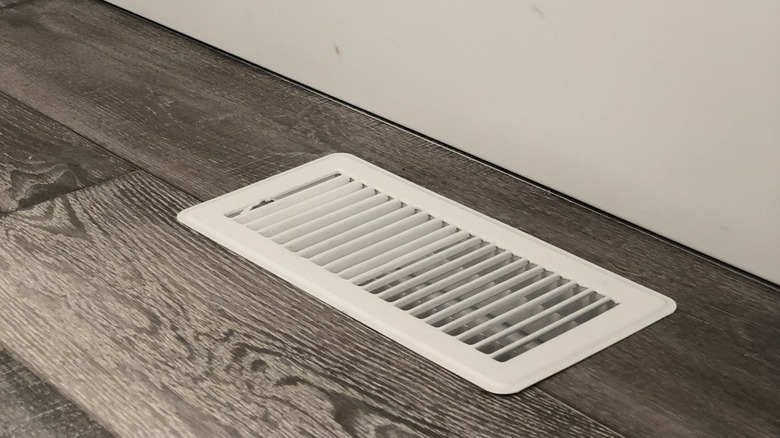
- Inspecting intake and exhaust vents for blockages or debris.
- Checking fan operation and cleaning blades if necessary.
- Ensuring ductwork is sealed and free from leaks.
Proper upkeep not only extends the life of your system but also ensures that the air entering your home remains clean and healthy.
When Is a Supply Ventilation System the Right Choice?
These systems are especially effective in climates where outdoor air is generally clean and not excessively humid. They are a good fit for homes with tight building envelopes, where natural air leakage is minimal. However, in areas with high outdoor humidity or significant air pollution, additional filtration or dehumidification may be necessary.
For more on the significance of proper airflow, see the article on the importance of home ventilation and how it impacts comfort and health.
Additional Resources and Further Reading
For a deeper dive into whole-house solutions and their advantages, check out this comprehensive guide to whole-house ventilation systems from a leading HVAC manufacturer. This resource covers balanced, supply, and exhaust options in detail.
If you are interested in sustainable approaches, you may also want to learn about sustainable heating systems for passive homes and how they integrate with modern ventilation strategies.
Frequently Asked Questions
What is the main difference between supply and exhaust ventilation systems?
Supply systems introduce fresh, filtered air into the home, creating positive pressure that pushes stale air out. Exhaust systems, on the other hand, remove indoor air to create negative pressure, drawing in replacement air through leaks or vents. Each approach has its own advantages and is suited to different building types and climates.
How often should filters be replaced in a supply ventilation system?
Filters should generally be checked every 3–6 months, but the exact interval depends on the manufacturer’s recommendations and local air quality. Regular replacement or cleaning is essential to maintain air quality and system efficiency.
Can supply ventilation systems be used in all climates?
While these systems are effective in many regions, they may not be ideal in areas with high humidity or significant outdoor pollution. In such cases, additional equipment like dehumidifiers or advanced filtration may be required to ensure optimal indoor conditions.
Do supply ventilation systems increase energy costs?
There can be a modest increase in energy usage due to the fan and potential heating or cooling of incoming air. However, when paired with energy recovery ventilators, the impact on utility bills can be minimized while still maintaining excellent indoor air quality.