

Understanding how exhaust ventilation systems work is essential for anyone interested in improving indoor air quality, managing moisture, and ensuring a healthy living or working environment. These systems are designed to remove stale air, odors, and contaminants from enclosed spaces, replacing them with fresh air from outside. Whether in homes, offices, or industrial settings, exhaust ventilation plays a critical role in maintaining comfort and safety.
In this guide, we’ll break down the basic principles of exhaust ventilation, the main components involved, and the benefits of installing such systems. If you’re also interested in the broader context of home airflow, you might find our article on home ventilation basics helpful for a foundational overview.
Core Principles Behind Exhaust Ventilation
The main idea behind exhaust ventilation is simple: remove indoor air and replace it with outdoor air. This process is typically achieved by using fans or mechanical devices that create negative pressure inside a building. As air is pulled out, fresh air enters through dedicated vents or unintentional gaps in the building envelope.
The effectiveness of these systems depends on proper design and installation. The system must be sized correctly to ensure adequate air exchange without causing drafts or energy loss. For a deeper dive into the science of airflow, see our resource on how home ventilation works.
Key Components of Exhaust Ventilation Systems
Every exhaust ventilation setup consists of several essential parts. Here’s a breakdown of the most common elements:
- Exhaust Fans: These are the heart of the system, responsible for pulling air out of the space. They can be mounted on walls, ceilings, or windows.
- Ductwork: Channels that guide the air from the interior to the outside. Properly sealed ducts are crucial for efficiency.
- Intake Vents: Openings that allow fresh air to enter as stale air is expelled. These may be passive (simple vents) or active (fans).
- Controls: Switches, timers, or sensors that regulate when and how the system operates.
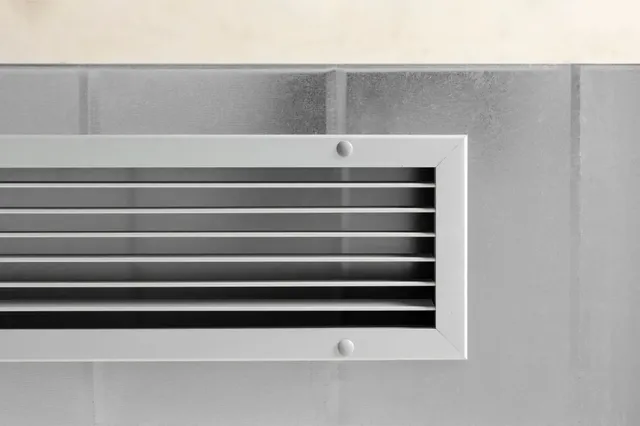
- Grilles and Covers: Protective and aesthetic elements that cover fan and vent openings.

How Airflow Is Managed in Mechanical Exhaust Systems
Mechanical exhaust systems use powered fans to actively remove air from specific areas, such as bathrooms, kitchens, or attics. When the fan operates, it creates a slight vacuum, causing air from outside to flow in and replace the exhausted air. This continuous exchange helps control humidity, remove pollutants, and prevent the buildup of odors or harmful gases.
The process is especially important in areas where moisture and contaminants are common. For example, bathroom exhaust fans help prevent mold growth by removing humid air, while kitchen fans expel cooking fumes and grease particles.
Benefits of Proper Exhaust Ventilation
Installing a well-designed exhaust ventilation system offers several advantages:
- Improved Indoor Air Quality: By removing pollutants, allergens, and moisture, these systems contribute to a healthier environment.
- Moisture Control: Reducing humidity helps prevent mold, mildew, and structural damage.
- Odor Removal: Stale or unpleasant smells are quickly vented outside.
- Energy Efficiency: When paired with energy recovery systems, exhaust ventilation can help maintain comfort without excessive energy use.
For more on why ventilation matters, see our article on the importance of home ventilation.
Common Types of Exhaust Ventilation Systems
There are several variations of exhaust ventilation, each suited to different needs and building types:
- Single-Point Exhaust: A fan installed in a specific location, such as a bathroom or kitchen, to remove air from that area.
- Whole-House Exhaust: Multiple fans or a central system that ventilates the entire building.
- Continuous vs. Intermittent: Some systems run continuously at low speed, while others operate only when needed (e.g., during cooking or showering).
- Balanced Systems: Combine exhaust with supply fans to ensure even airflow and pressure.

Design Considerations and Best Practices
When planning an exhaust ventilation system, several factors should be considered:
- System Sizing: The fan’s capacity should match the room size and intended use. Oversized fans can waste energy, while undersized ones may not provide adequate ventilation.
- Placement: Fans and vents should be located where moisture and pollutants are generated, such as near showers, stoves, or laundry areas.
- Noise Levels: Choose fans with low decibel ratings for quiet operation, especially in bedrooms or living spaces.
- Maintenance: Regular cleaning of fans, ducts, and filters ensures optimal performance and longevity.
- Energy Recovery: In colder climates, consider systems that recover heat from exhausted air to improve efficiency.
For a comparison of different ventilation strategies, see our post on types of home ventilation systems.
Exhaust Ventilation vs. Other Airflow Solutions
While exhaust systems are effective at removing unwanted air, they are just one part of a comprehensive ventilation approach. Other strategies include natural ventilation (using windows and vents without fans) and balanced systems that supply and exhaust air in equal measure. For more on passive airflow, check out our guide to understanding natural ventilation.
Each method has its strengths and is best suited for specific building types, climates, and occupant needs. Often, a combination of approaches yields the best results for indoor air quality and energy efficiency.
When to Upgrade or Install a New System
Signs that your current ventilation may need improvement include persistent odors, visible mold, condensation on windows, or a general feeling of stuffiness. Upgrading to a modern exhaust system can address these issues and provide ongoing benefits for health and comfort.
For those seeking more technical details or advanced solutions, Daikin’s technical knowledge base on ventilation offers in-depth information on system design, energy recovery, and smart controls.
Frequently Asked Questions
What is the main purpose of an exhaust ventilation system?
The primary goal is to remove stale, humid, or contaminated air from indoor spaces and replace it with fresh outdoor air. This helps maintain healthy air quality, control moisture, and prevent the buildup of odors or harmful substances.
How do I know if my home needs better exhaust ventilation?
Common signs include lingering smells, visible mold or mildew, condensation on walls or windows, and a feeling of stuffiness. If these issues persist, it may be time to assess your current setup and consider an upgrade.
Are exhaust systems energy efficient?
Modern systems are designed to balance air exchange with energy use. Features like timers, sensors, and energy recovery ventilators can help minimize energy loss while maintaining effective airflow.
Can exhaust ventilation be combined with other systems?
Yes, many buildings use a mix of exhaust, supply, and natural ventilation to achieve optimal air quality and comfort. The right combination depends on your building’s layout, climate, and specific needs.

