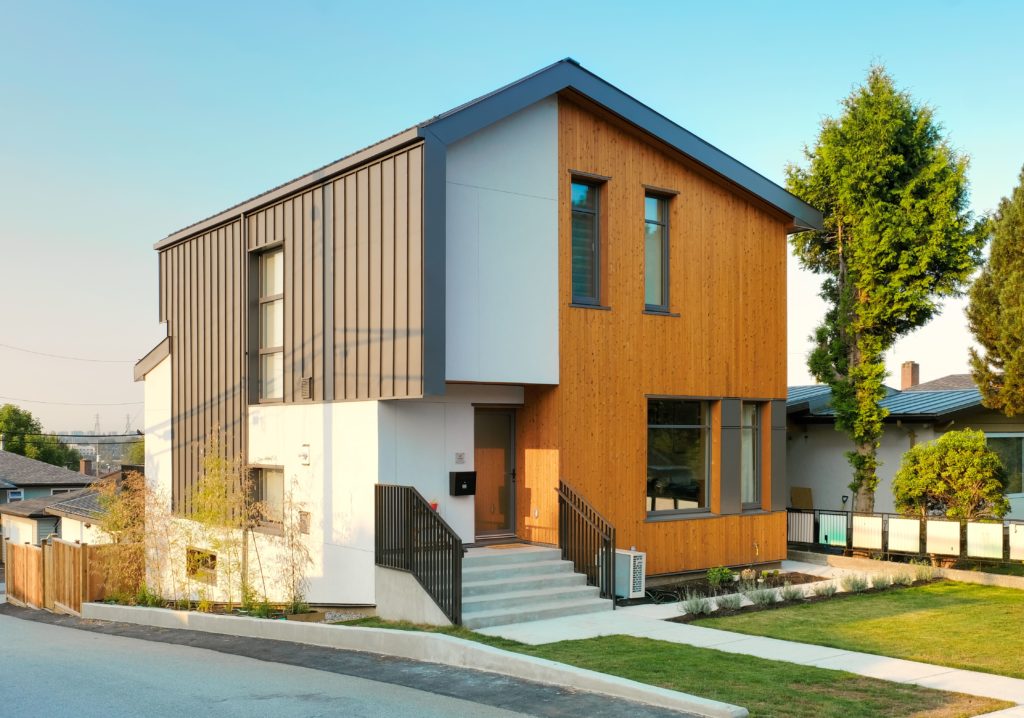
Understanding how humidity works is crucial for both homeowners and real estate developers. It affects indoor air quality, comfort, and even the structural integrity of buildings.
Humidity refers to the concentration of water vapor in the air. Different technologies and methods are used to measure and control it, ensuring optimal living conditions and safeguarding properties.
What is Humidity?
Humidity is the amount of water vapor in the air. It is an important factor in determining weather and climate. The main source of humidity is evaporation from bodies of water like oceans, rivers, and lakes.

Types of Humidity
Absolute Humidity
Absolute humidity measures the actual amount of water vapor in the air, regardless of temperature. It is expressed in grams of water vapor per cubic meter of air.
Relative Humidity
Relative humidity compares the current amount of water vapor in the air to the maximum amount the air can hold at that temperature, expressed as a percentage. It is a more commonly used measurement because it takes temperature into account.
Specific Humidity
Specific humidity is the ratio of the mass of water vapor to the total mass of the air parcel, including the water vapor. It is usually expressed in grams of water vapor per kilogram of air.

Why is Humidity Important?
Comfort Levels
Humidity levels affect comfort. High humidity can make you feel sticky and hot, while low humidity can make the air feel cooler than the actual temperature.
Health Impacts
Humidity levels can also affect your health. High humidity can exacerbate respiratory issues and encourage the growth of mold and mildew. Low humidity can dry out skin and mucous membranes, leading to discomfort.
Structural Integrity
Maintaining the right humidity levels is important for the structural integrity of buildings. High humidity can cause wood to warp and metal to corrode, while low humidity can cause wood to crack and paint to peel.
How is Humidity Measured?
Hygrometers
Hygrometers are devices used to measure humidity. There are several types, including mechanical hygrometers, electronic hygrometers, and psychrometers.
Dew Point Hygrometers
Dew point hygrometers measure the temperature at which air becomes saturated with moisture and water vapor begins to condense. This measurement is useful for understanding relative humidity levels.
Modern Technology
Modern technology has provided more accurate ways to measure and control humidity. Smart home systems can now monitor and adjust humidity levels automatically, providing optimal living conditions and protecting property.
Controlling Humidity
Dehumidifiers
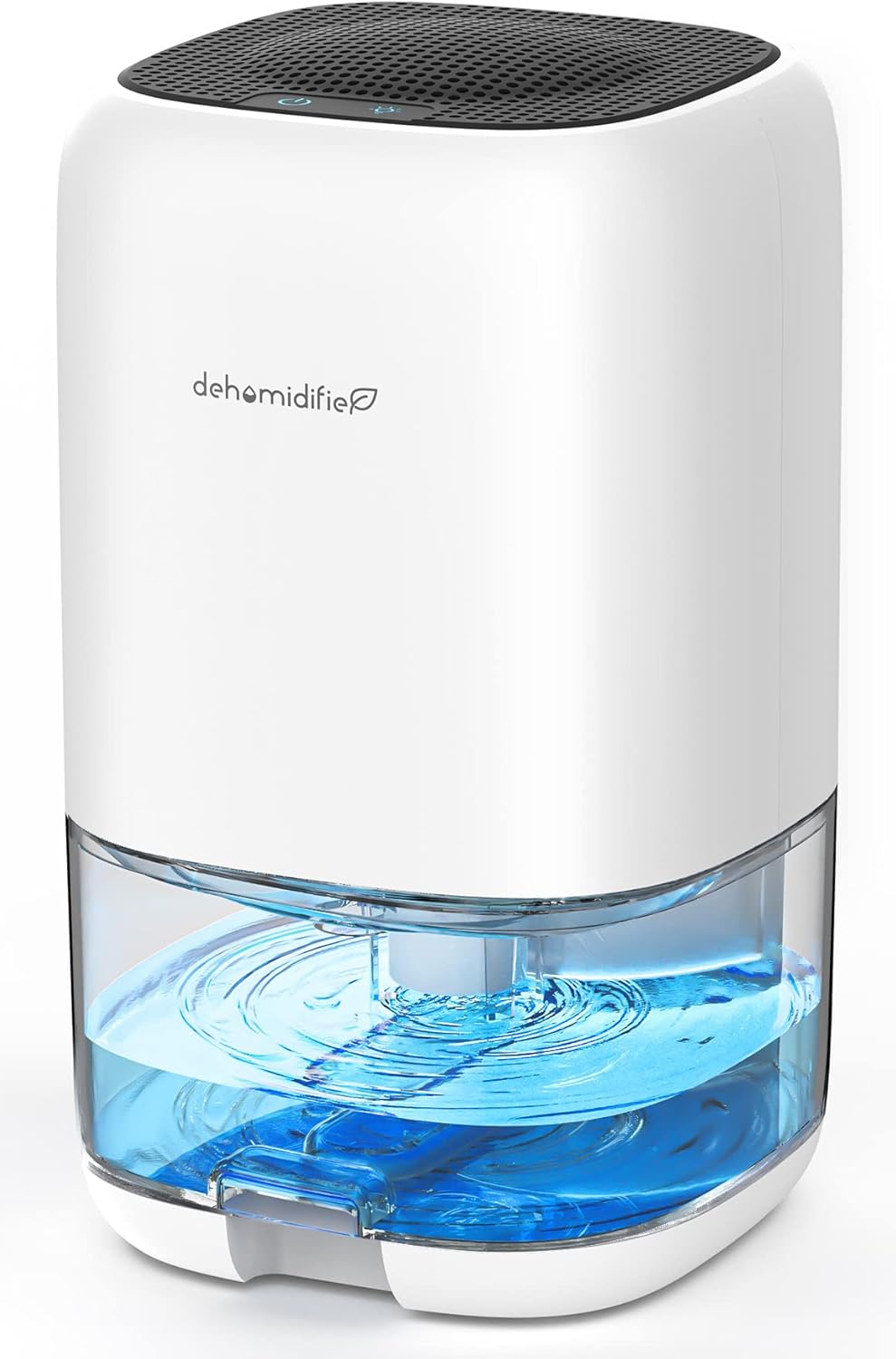
Dehumidifiers are devices that remove moisture from the air. They are useful in areas with high humidity levels, such as basements and bathrooms.
Humidifiers
Humidifiers add moisture to the air. They are useful in areas with low humidity levels, such as during winter months or in arid climates.
Ventilation Systems
Proper ventilation is key to controlling humidity levels. Ventilation systems can help regulate humidity by allowing moist air to escape and fresh air to enter.
Maintaining Optimal Humidity Levels
Home Tips
Simple steps can help maintain optimal humidity levels in your home. Use exhaust fans in kitchens and bathrooms, fix leaks promptly, and avoid overwatering houseplants.
Advanced Solutions
Advanced solutions, such as integrated HVAC systems, can provide more precise control over humidity levels. These systems can monitor and adjust humidity levels automatically, ensuring optimal living conditions.
Real Estate Considerations
For real estate developers, understanding how humidity works and how to control it is crucial. It can impact the design and construction of buildings, as well as their long-term maintenance.
FAQs
What causes high humidity?
High humidity is often caused by factors such as high outdoor temperatures, indoor activities like cooking and showering, and inadequate ventilation.
How can I reduce indoor humidity?
Reducing indoor humidity can be achieved by using dehumidifiers, ensuring proper ventilation, and addressing any sources of moisture or leaks.
What is the ideal indoor humidity level?
The ideal indoor humidity level is usually between 30-50%. This range helps maintain comfort, health, and structural integrity.
For more information on humidity, you can visit reducing-indoor-humidity.
Additionally, check out this resource on home-humidity-damage.
As an Amazon Associate, I earn from qualifying purchases.
As an Amazon Associate, I earn from qualifying purchases.