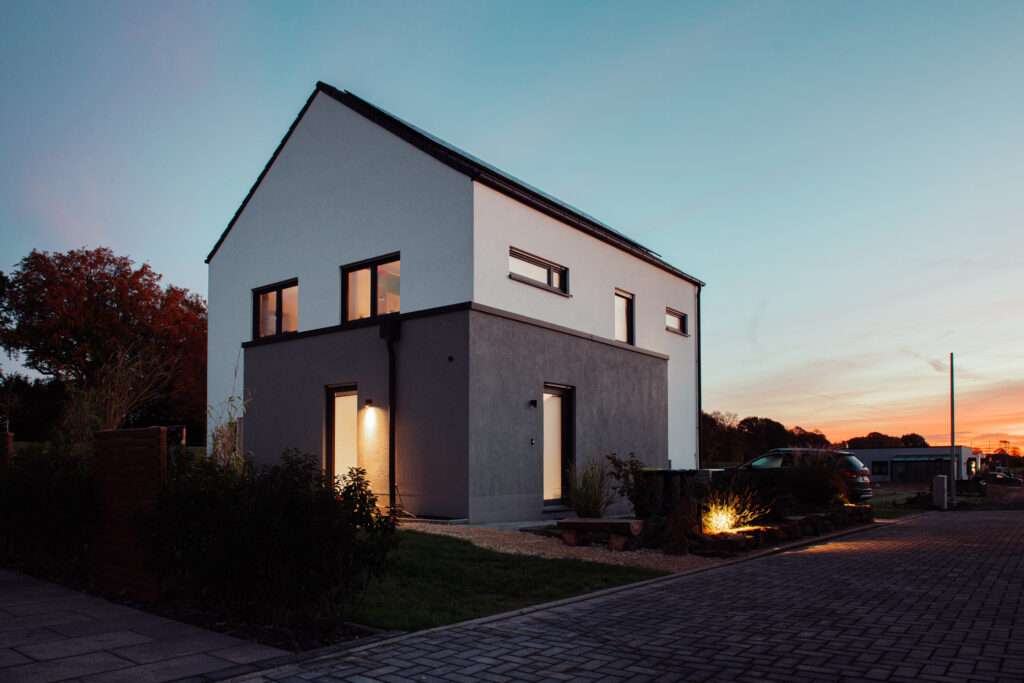

Understanding the energy performance of your building is crucial in today’s energy-conscious world. It helps in reducing the carbon footprint, improving energy efficiency, and saving on energy costs. This guide will take you through the process of monitoring your building’s energy performance.
Before we delve deeper into the subject, it’s worth noting the importance of other related aspects such as passive house door performance.
Understanding Energy Efficiency
Energy efficiency is a measure of how well a building uses energy. The more efficient a building is, the less energy it needs to perform its functions. This is where the concept of energy performance monitoring comes into play.
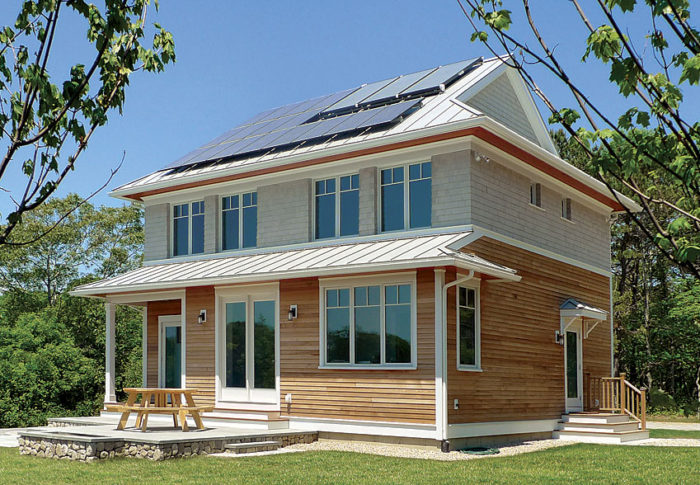
Importance of Monitoring Energy Performance
Monitoring energy performance is crucial for several reasons. It helps identify areas where energy is being wasted, allowing for necessary changes to be made. It also aids in tracking the effectiveness of energy-saving measures.
How to Monitor Energy Performance
There are several ways to monitor energy performance. One common method is through the use of energy meters that measure energy consumption. Another approach is through energy audits, which assess a building’s energy use and suggest improvements.

For more insights on efficient building design, you can check out this descriptive anchor text.
Conclusion
Monitoring energy performance is an essential part of managing a building’s energy use. It not only helps in improving energy efficiency but also contributes to a more sustainable future. To get started with monitoring your building’s energy performance, you can track solar charging live or track your power performance.