

Achieving a comfortable and healthy indoor environment relies heavily on effective airflow. Cross ventilation techniques are among the most practical and energy-efficient ways to keep homes cool, fresh, and free from excess moisture. By harnessing natural air movement, these strategies help reduce reliance on mechanical cooling, lower energy bills, and improve indoor air quality.
Whether you’re designing a new house or looking to upgrade an existing space, understanding how to optimize air circulation can have a significant impact. This article explores practical methods, design principles, and product options for maximizing cross breezes in residential settings.

For a deeper dive into natural airflow methods, see wind-driven ventilation explained, which covers how breezes and building orientation influence passive cooling.
Understanding the Basics of Cross Ventilation
At its core, cross ventilation refers to the movement of fresh air from one side of a room or building to the other, typically achieved by placing openings—such as windows, doors, or vents—on opposite or adjacent walls. This setup allows outside air to enter from one side and exit through the other, creating a natural flow that replaces stale indoor air with fresh outdoor air.
The effectiveness of these methods depends on several factors:
- Placement of openings: Windows and vents should be positioned to maximize airflow paths.
- Size and type of openings: Larger or adjustable openings allow more control over the volume and direction of air.
- Prevailing wind direction: Aligning openings with local wind patterns increases efficiency.
- Obstructions: Furniture, walls, or landscaping can block or redirect air currents.
Design Principles for Effective Airflow
To make the most of cross ventilation techniques, consider the following design principles:
Strategic Window and Door Placement
Place windows and doors on opposite sides of rooms or hallways to facilitate a direct path for air to travel. In multi-story homes, align openings vertically as well to encourage stack effect, where warm air rises and escapes from upper levels while cooler air enters below.
Utilizing Ventilators and Louvers
Incorporating ventilators, such as operable louvers or trickle vents, can enhance airflow even when windows are closed for security or weather reasons. These features allow for continuous, controlled air exchange.
Open Floor Plans and Interior Layout
Open layouts without excessive partitions enable air to move freely throughout the home. If privacy is needed, consider using partial walls or screens that don’t reach the ceiling, allowing air to circulate above.
Practical Cross Ventilation Techniques for Every Home
Whether you’re working with a compact apartment or a spacious house, there are several practical approaches to boost natural airflow:
- Double-Hung or Casement Windows: These window types can be adjusted to direct air in or out, depending on wind direction and comfort needs.
- Transom Windows: Placed above doors or other windows, transoms allow air to pass between rooms even when doors are closed.
- Ventilated Doors: Doors with built-in vents or grilles support airflow between spaces.
- Cross-Ventilating Adjacent Rooms: Open doors or install vents between rooms to extend airflow pathways.
- Roof and Attic Vents: These help hot air escape from upper levels, drawing cooler air through lower openings.

Enhancing Natural Airflow with Mechanical Solutions
While passive strategies are often sufficient, some homes benefit from mechanical aids, especially in areas with limited wind or high humidity. Whole house fans, ceiling exhaust fans, and air filtration kits can supplement natural ventilation, ensuring consistent air quality and comfort.
For example, a whole house fan can quickly draw in cool evening air and expel warm air through attic vents. Ceiling exhaust fans are ideal for bathrooms and kitchens, where moisture and odors accumulate. Air filtration kits help remove particulates and allergens, improving indoor air quality alongside fresh air exchange.
Common Challenges and How to Overcome Them
Implementing cross ventilation techniques can be challenging in certain situations, such as in densely built neighborhoods, apartments with limited external walls, or homes with fixed windows. Here are some solutions:
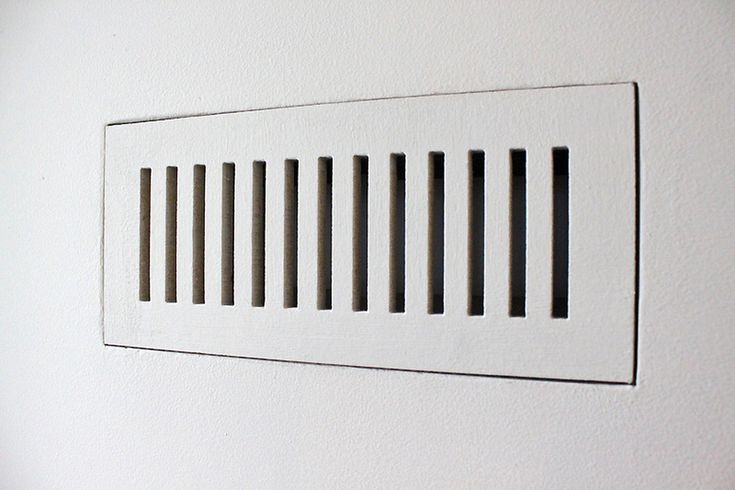
- Use of Ventilators: Install wall or window ventilators to create new airflow paths where traditional windows aren’t possible.
- Interior Vent Grilles: Add grilles above doors or in partition walls to connect rooms and promote air movement.
- Mechanical Assistance: Supplement with fans or ventilation systems when natural airflow is insufficient.
- Regular Maintenance: Keep vents and windows clean and unobstructed to maximize effectiveness.
Benefits of Optimized Air Circulation
Applying these strategies offers several advantages:
- Improved Comfort: Consistent airflow helps regulate indoor temperatures, making spaces feel cooler without air conditioning.
- Better Indoor Air Quality: Regular exchange of indoor and outdoor air reduces pollutants, allergens, and odors.
- Moisture Control: Effective ventilation helps prevent condensation and mold growth. Learn more about how ventilation reduces condensation and supports a healthier home.
- Energy Savings: Relying on natural airflow can lower energy consumption and utility costs.
Integrating Cross Ventilation with Other Systems
For maximum efficiency, combine passive airflow methods with other ventilation solutions. For example, understanding passive ventilation can help you design a system that works year-round, while mechanical ventilation with heat recovery can further improve air quality and energy performance in tightly sealed homes.
For a comprehensive overview of ventilation options, see this guide to types of house ventilation systems, which covers both natural and mechanical approaches.
Frequently Asked Questions
What is the main purpose of cross ventilation in residential spaces?
The primary goal is to promote a continuous flow of fresh air through living areas, which helps regulate temperature, remove indoor pollutants, and control humidity. This approach improves comfort and supports a healthier indoor environment.
Can cross ventilation work in apartments or homes with limited windows?
Yes, even in spaces with few external openings, you can enhance airflow by installing ventilators, using interior grilles, and supplementing with mechanical fans. Arranging furniture to avoid blocking airflow paths also helps maximize effectiveness.
How do cross ventilation techniques help with mold prevention?
By ensuring regular air exchange, these methods reduce excess moisture that can lead to mold growth. For more details, refer to the article on mold prevention through ventilation.
Are mechanical systems necessary for effective ventilation?
Not always. In many climates, passive design is sufficient. However, in areas with little wind or in tightly sealed homes, mechanical systems like exhaust fans or whole house fans can enhance air movement and ensure consistent air quality.


